12/05/25: Mark's Fiat 124 Special
Make: Fiat
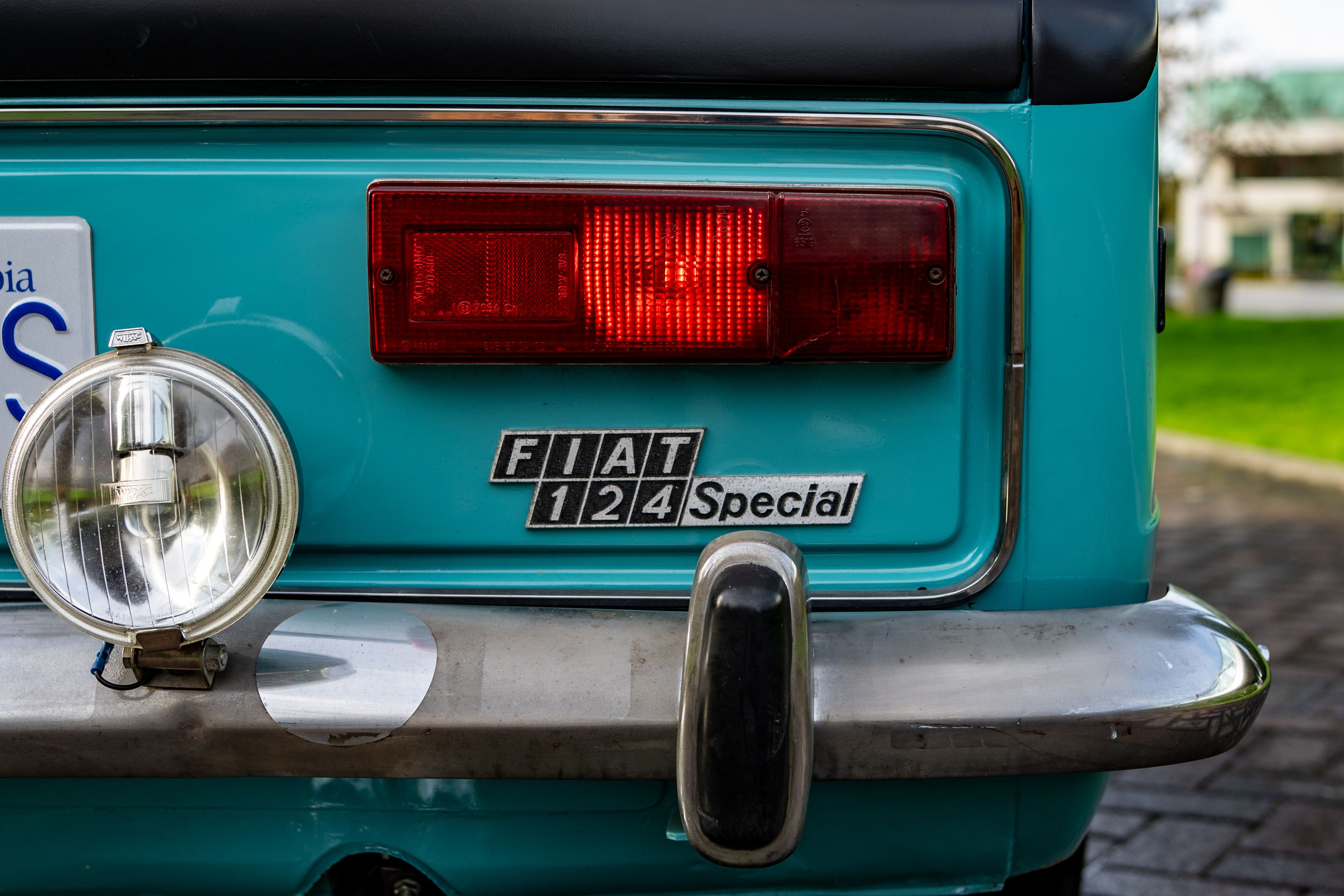
Model: 124 Special
Year: 1971
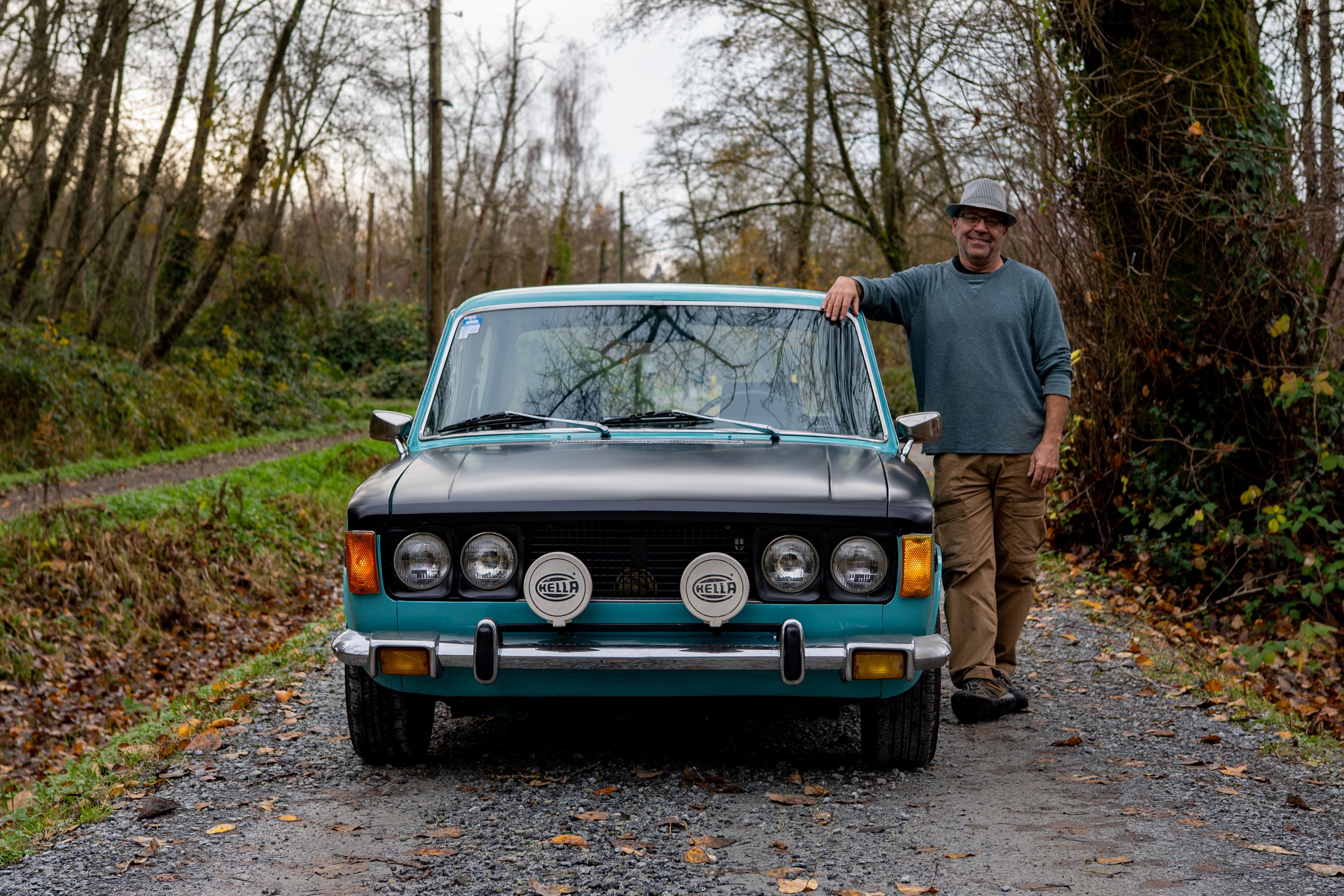
After selling his 1979 Mini, Mark was back in the market for something fun. Thinking about the early ’70s Fiat 124 Coupe that he used to really like owning, that genre of car was what he was after. The challenge would be finding something at a reasonable price that would condone the use that it would receive in its new life.
While skimming Craigslist, Mark found a 124 Special, the same chassis as his old coupe. It had some rust that looked repairable, as well as a 2000cc engine and 5-speed transmission, which were in some bins outside of the car. Just down the I-5 in Washington, he asked a friend Pete to go grab it, and with no hesitation, it was at his friend’s place. It sat down stateside for the better part of six months before Mark finally imported the Fiat with all its necessary paperwork.
Now in Canada, Mark needed a place to store it, so his friend Steve arranged a barn in Abbotsford where he was able to do some metal work as well as paint the car. Bernie at Bent Wrench’s in Mission was also a great help who shared his wealth of knowledge, making a big difference in the endeavor. After bodywork and paint, Mark was finally able to manage the rest of the project at his home garage in New Westminster, where he spent about a year on the engine install, suspension, and final assembly. From getting it picked up down in the States to getting it inspected, his ownership has been 2.5 years.
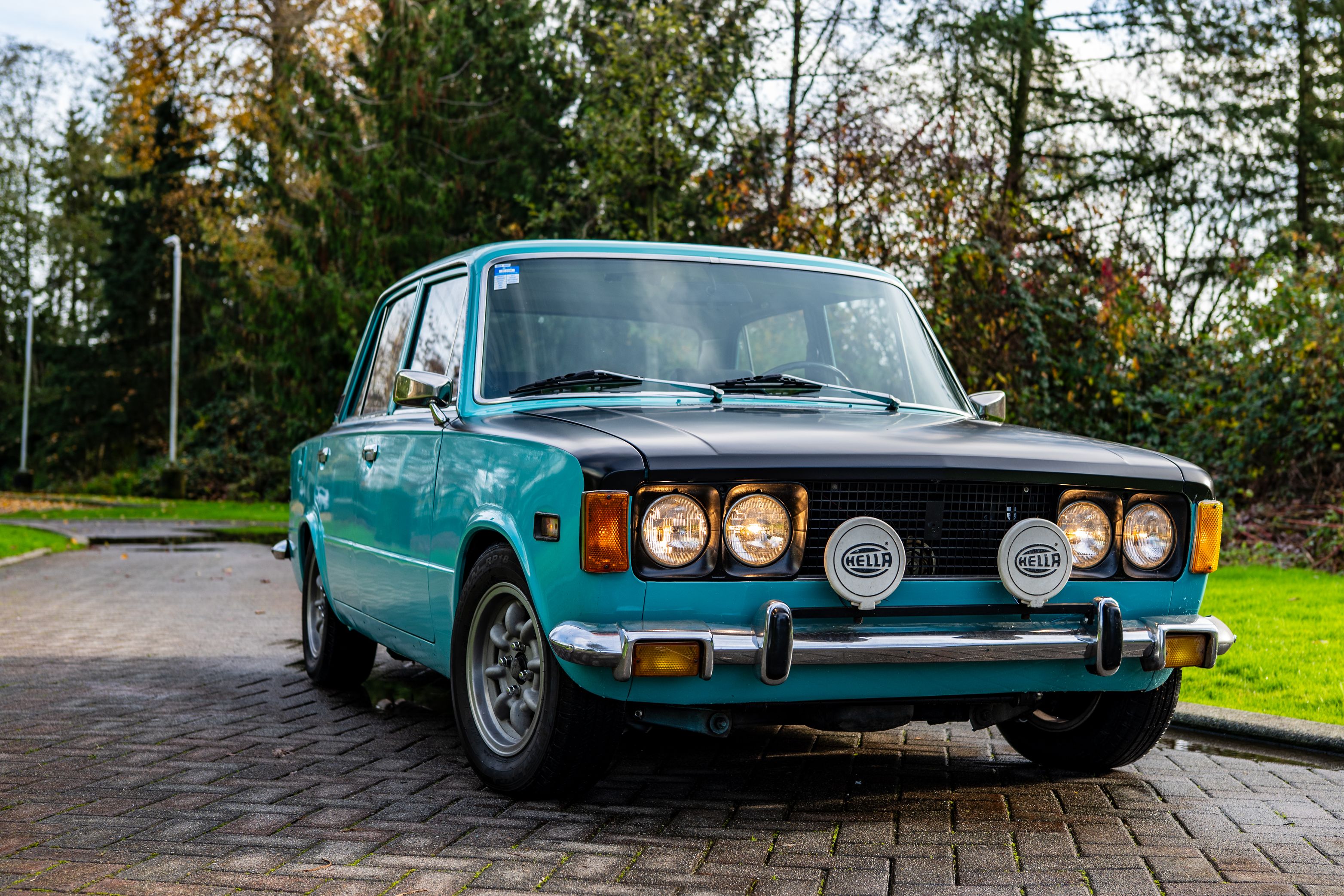
This 1971 Fiat 124 Special was fairly special for its time: four-wheel disc brakes, equal-length “A” arm suspension, and a five-link solid axle in the rear. To add to the fun, this one has a 2-liter, belt-driven twin overhead cam and twin Webers. From the factory, it would have been fitted with a 1.4L making 70-ish horsepower, so he expects his bigger engine to increase that figure to around 120 hp!
Comparing his 124 to other cars he has owned over the years, including a few Ford Cortinas, Mark finds that they are so primitive in comparison to the little Fiat. Almost like the Fiat has all of the modifications that he would have wanted on his Cortinas, he is more drawn to the Fiat because of how rare it is. It may not be as valuable, but it is rarer.
After purchasing this 124, he regretted it almost immediately fearing parts availability; however, those feelings were quickly wiped away as he came to find out about the millions of new parts at his disposal thanks to the Lada. In the late 60’s, Fiat sold the USSR all of the rights and engineering data for the 124 sedan, and many parts remained basically unchanged all the way into the 2000s. This makes it so that pretty much all of Mark’s needs are available for a reasonable cost to keep his unique car on the road.
At the time of this issue, Mark has had his Fiat 124 Special on the road for a little over a couple of weeks, and besides all of the smaller things yet to be finished, he has been loving it. It has been on the road every day since being insured, and a list has been made for its next steps, including proper tuning, a new clutch, and a bike rack. He hopes to see everyone at the 2026 Spring Thaw, where he will be assisting with the rally.
Mark describes his 1971 Fiat 124 Special as a Labrador Retriever: “not snoobish or the best looking but ready for a good time at all times.”
11/07/25: Gunter's E-Type Roadster
Make: Jaguar
Model: E-Type
Year: 1966
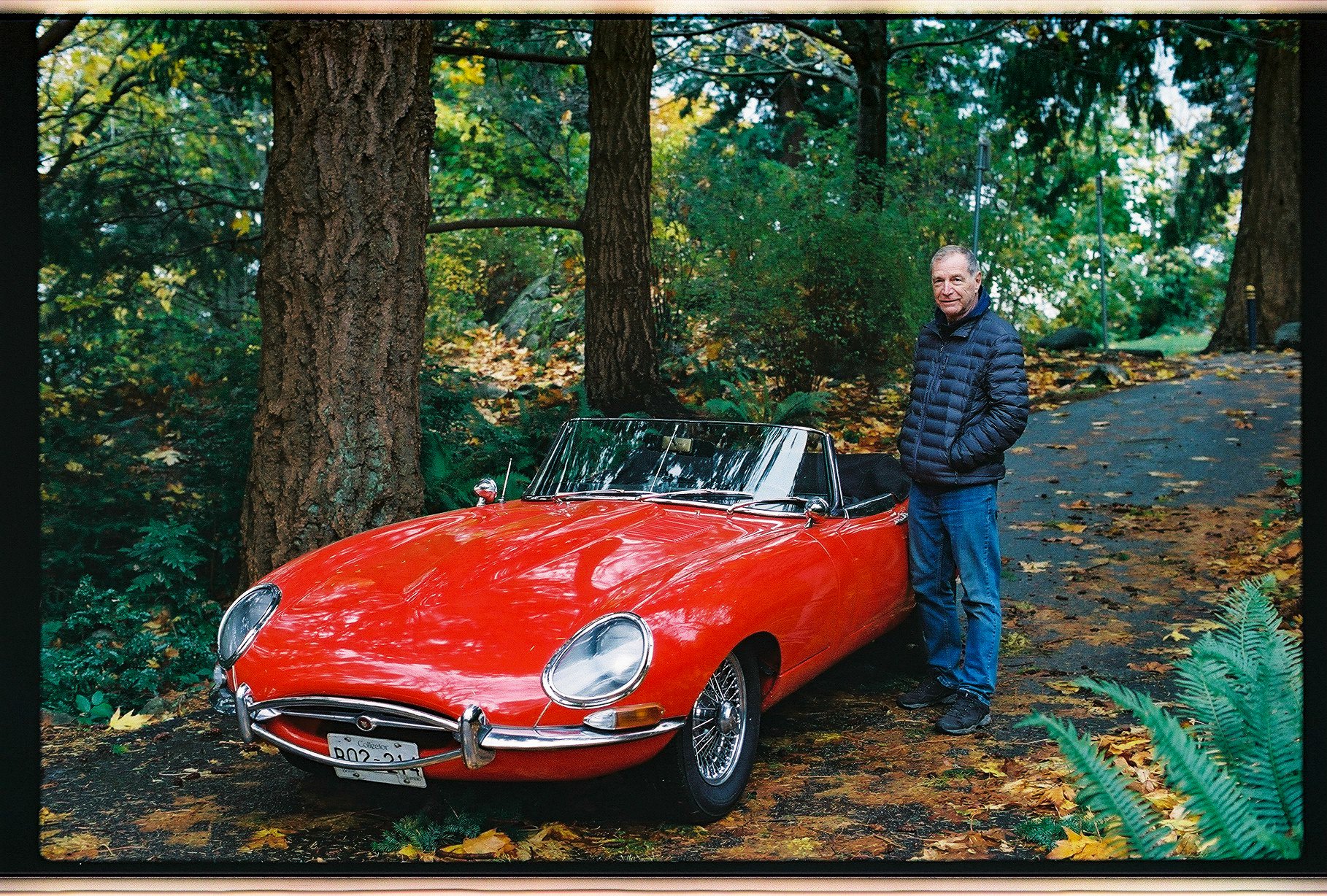
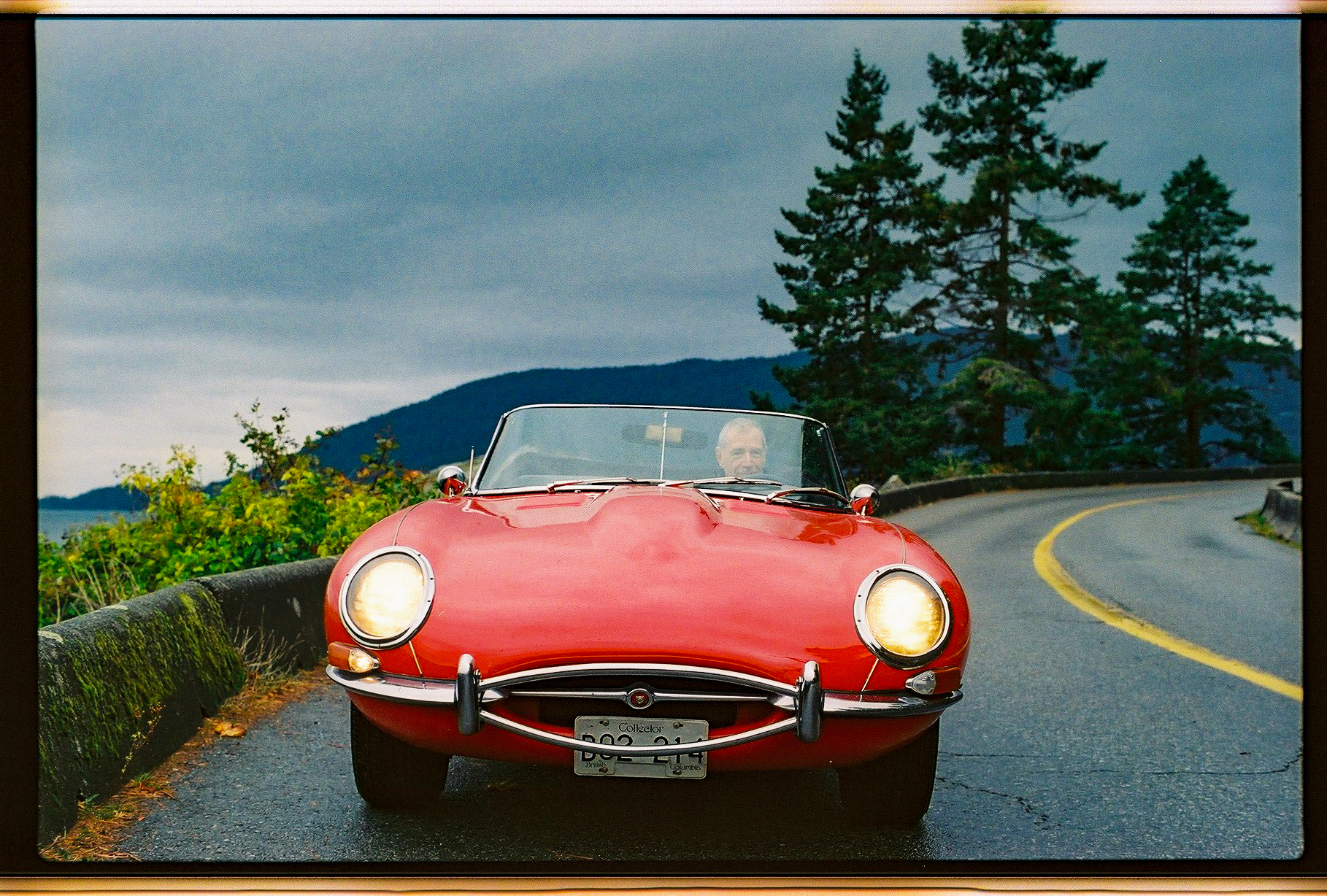
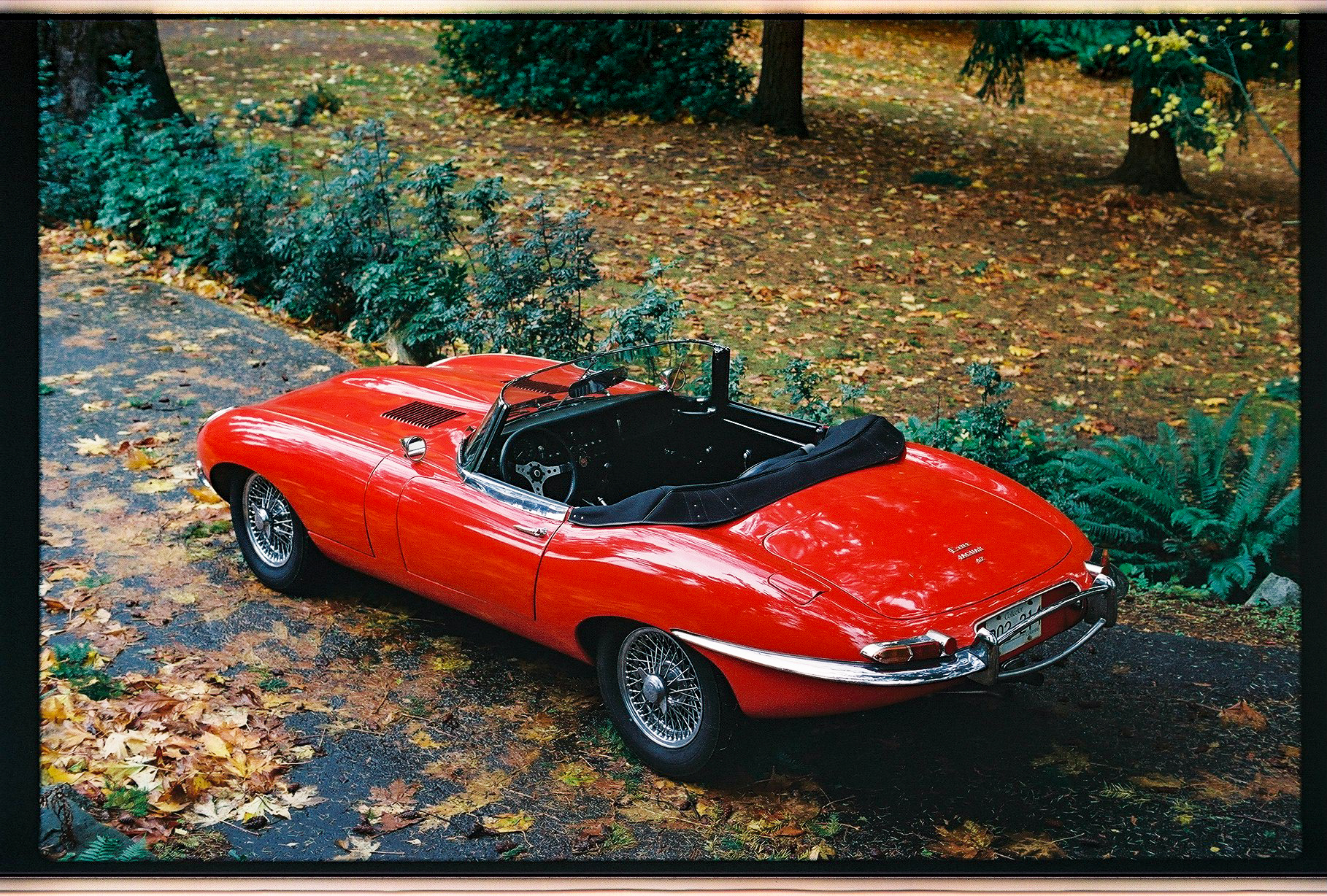
When Gunter first laid eyes on the E-Type, he knew that was it — that was his car. Still remembering seeing them as a kid and thinking, “That's the most gorgeous car,” it took some searching to finally acquire an E-Type of his own. Getting himself into a V12 variant after a big hunt, he came to the conclusion that it was too new for vintage racing, so he sold it for a '64 coupe race car and purchased this red Series One shortly after.
At the time, the E-Type had the styling (which it still does) but also great value. Comparative with Ferraris, which cost twice as much while remaining as elegant as can be, it had a good proposition that Gunter caught onto. There are countless ways to go faster around a track, but Gunter couldn't care less — to him, there is no point racing if you don’t look good while doing it. That’s why he has been racing a blue ’64 E-Type since 1988.
Growing up in Austria, with close proximity to the Red Bull Ring, he watched his fair share of racing. His brother raced motorcycles back in the day, but Gunter didn't catch on until his 30s. Matter of fact, his parents never even had a driver’s license and provided no exposure to cars at all — he was on his own. Later, moving to Canada, he found himself racing frequently at Westwood with his ’64, as well as most of the West Coast tracks, including PIR, Laguna Seca, Willow Springs, Thunderhill, and more. He even made his way out to Ontario for Mosport. With all his time racing wheel to wheel, Gunter feels that the early days of vintage racing were better— but that’s just progression. When he started out, the pre-war guys didn’t like how new the E-Type was!
Gunter still races to this day; however, he recently retired as a professional photographer. Interestingly, the domains between work and cars never overlapped, and professionally, he preferred to make images strictly for retail and ad agencies, as well as architectural and industrial work. Shooting the odd car or race took place after hours for the love of photography.
Again, “The wonderful sound of the six, the styling is timeless, performance is good — again and again, it comes down to the same things. The car just does them right.” The initial attraction is styling — “Wow, it’s gorgeous” — which is a big part of it. And even though these vehicles have a bad rep for reliability, his years with them have mitigated that. Gunter is prepared to tackle everything that comes his way, as he needed to learn out of necessity in the early days. He would not have been able to afford these cars if he hadn’t had an idea of how to fix them.
Gunter has taken his red 1966 Series One E-Type on a few road trips in BC and pretty much everywhere in the Pacific Northwest, totalling an unknown amount of kilometres. These days, he estimates that it’s driven about 2,000 km per year — and, funny enough, he possibly puts more km on the race car. After all, it’s his summer car — one to be enjoyed and maintained the way it was intended by the factory. It’s a driver and will continue to be one.
Gunter describes his 1966 Series One E-Type Roadster as a cat: “It growls, and it’s sleek.”
10/24/25: Dario's Dino 246 GT
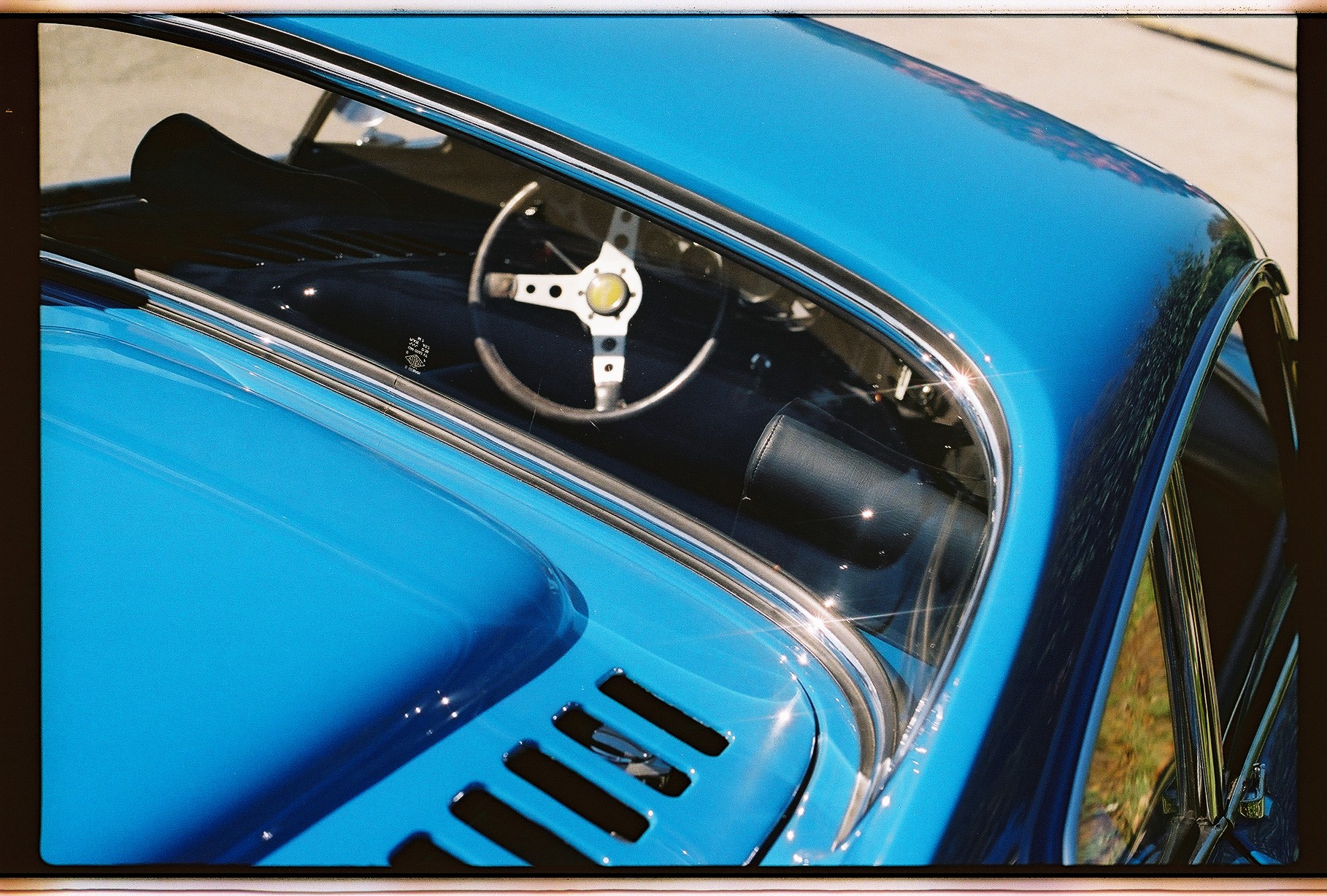
Make: Ferrari
Model: Dino 246 GT
Year: 1971
Back when Dario was racing his #8 1954 Porsche Cab with Emory Motorsports, he would often find himself competing alongside familiar faces—his engine builder, Arthur, being one of them. In the pits, Arthur was often accompanied by his friend Ian and, when given the chance, would head over to Dario and exchange the small bit of Italian that he had. It wasn’t until later that Dario would find out about Ian’s cars, with a Dino being one of them.
Years after hearing of the car, Dario was fortunate enough to be asked to be its next custodian and soon found himself boarding a ferry for Salt Spring Island. He couldn’t believe his eyes after opening a barn door to see the silhouette of a Dino under an army tarp. With Arthur’s help, they got the car running, and he was able to drive it off the island.
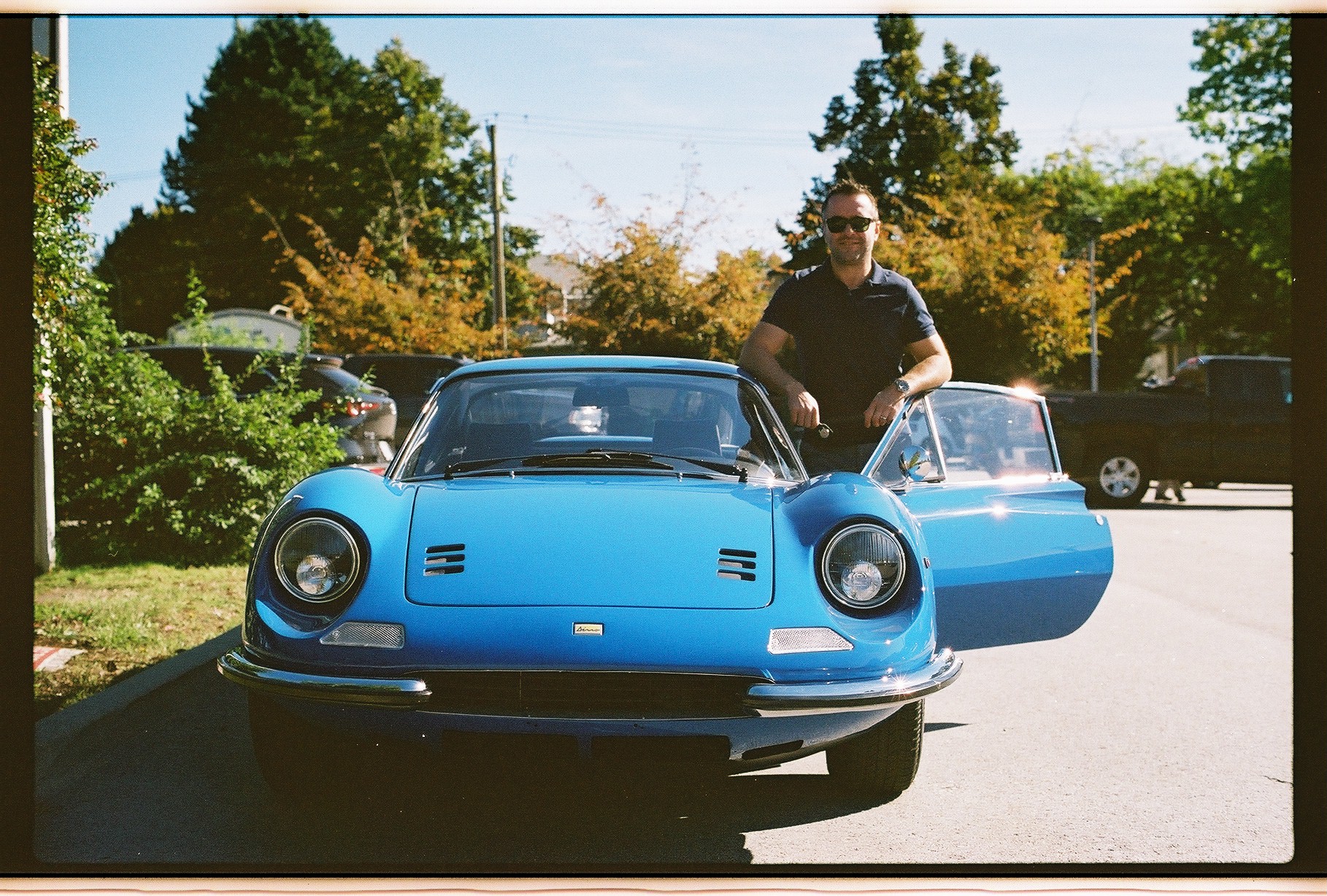
Dario has owned this 1971 Ferrari 246 M-series Dino since 2012 and considers it to be one of the prettiest Ferraris ever built. He still vividly remembers sitting in the back of his dad’s Plymouth Valiant and asking what that low, cool sports car beside them was. His dad said, “It’s a Dino,” and that stuck. Since then, a Dino has always been one of the top five cars he has wanted to own, being attracted to small, nimble cars with good history and good style.
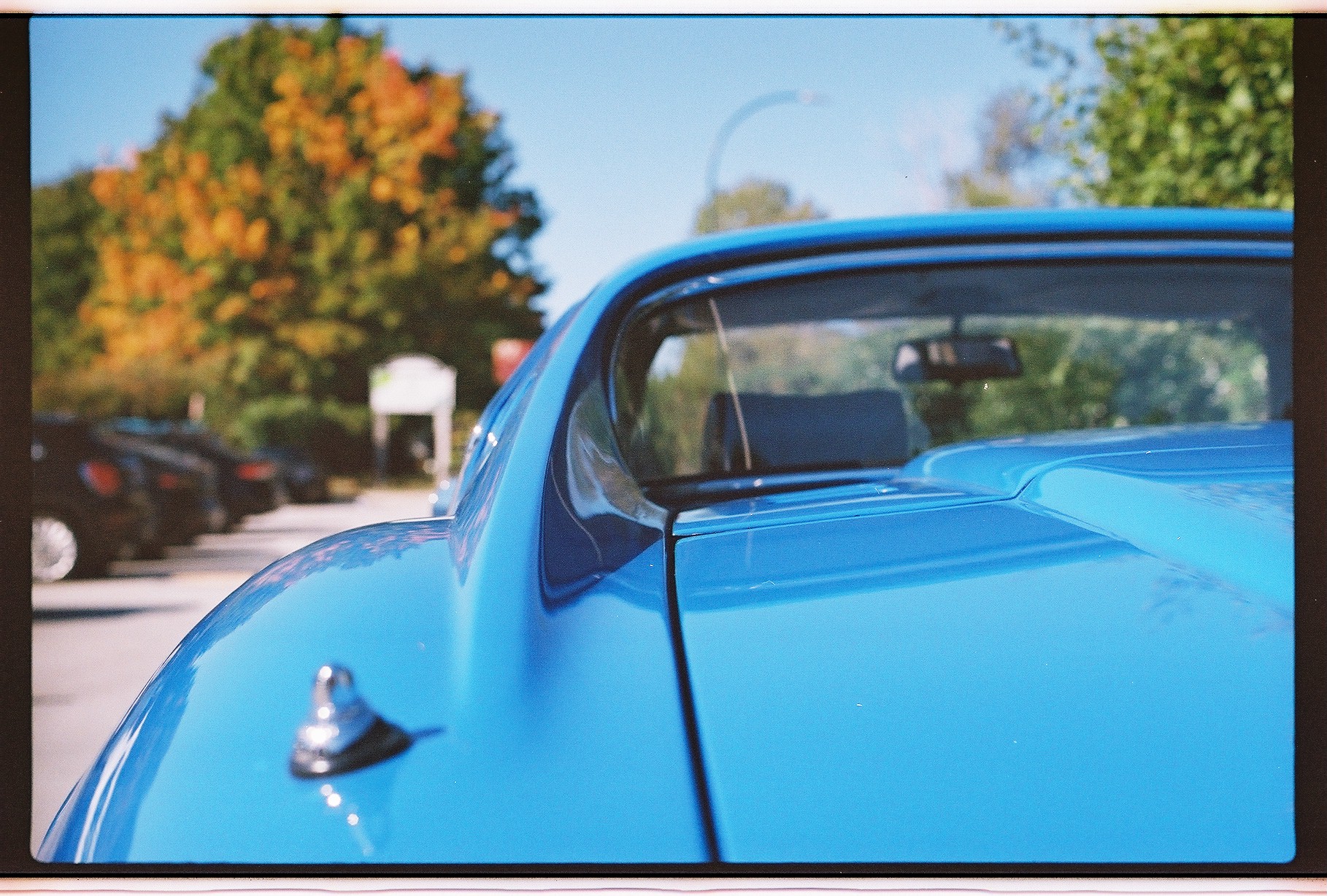
There were some things that needed attention, including an antenna, which he was happy to find a replacement for while at a show in Padua, Italy. Body and paintwork were addressed at Coachwerks on Vancouver Island; the repaint was done in the original Dino Blue.
Having owned this Dino for a number of years now, its duties consist mostly of taking his son to school and the odd drive. Approximately 700 km accumulate on its odometer per year, but no matter how few, its mid-mounted 2.4L V6 is pretty demanding in the tune-up department. Next season, Dario would like to put a set of original Michelin XWX tires on it—but that’s pretty much it!
Dario describes his Ferrari 246 Dino as a Bluejay: “When you see it, you’re struck by its beauty and are amazed by its colour.”
10/10/25: Josh's BMW M3
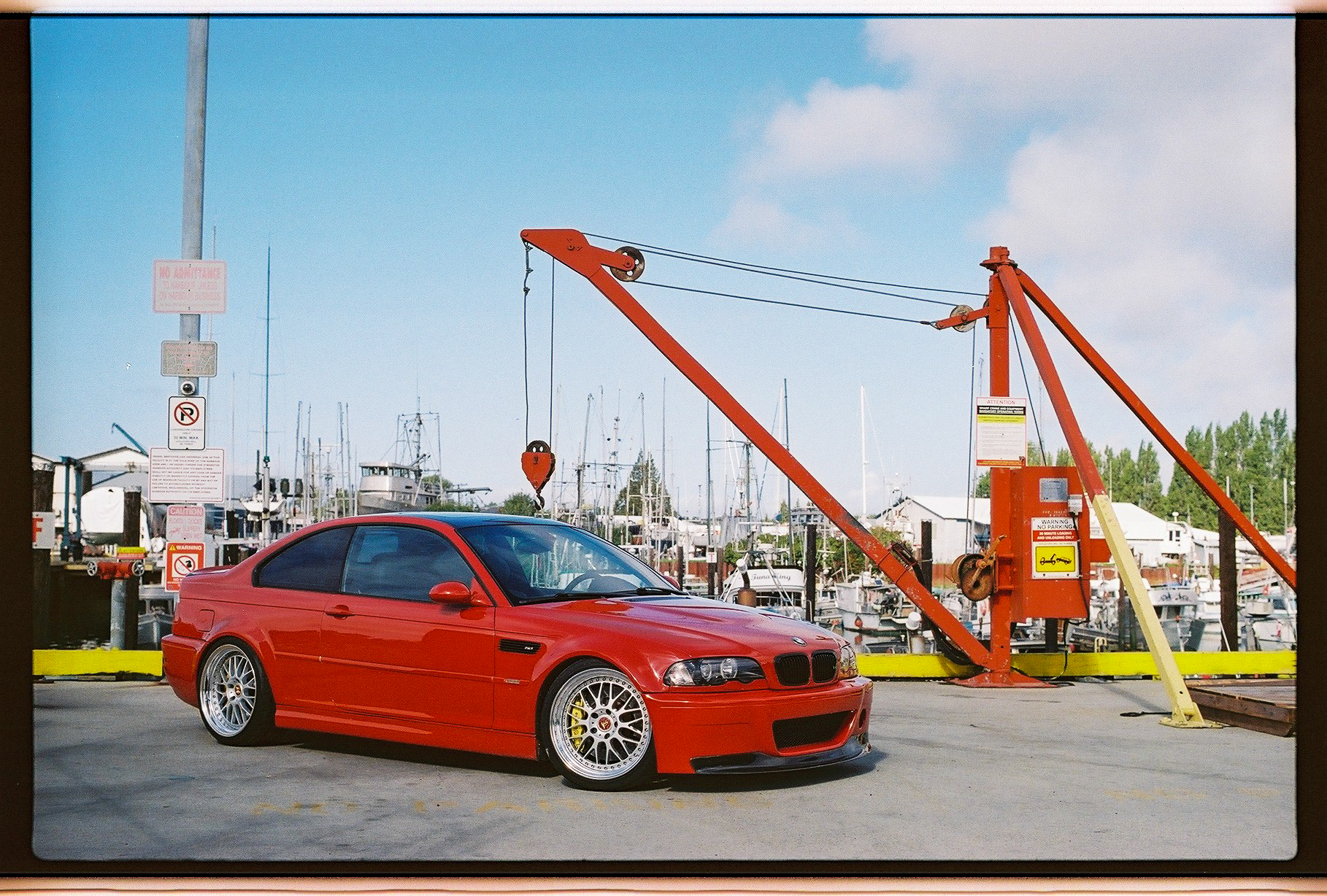
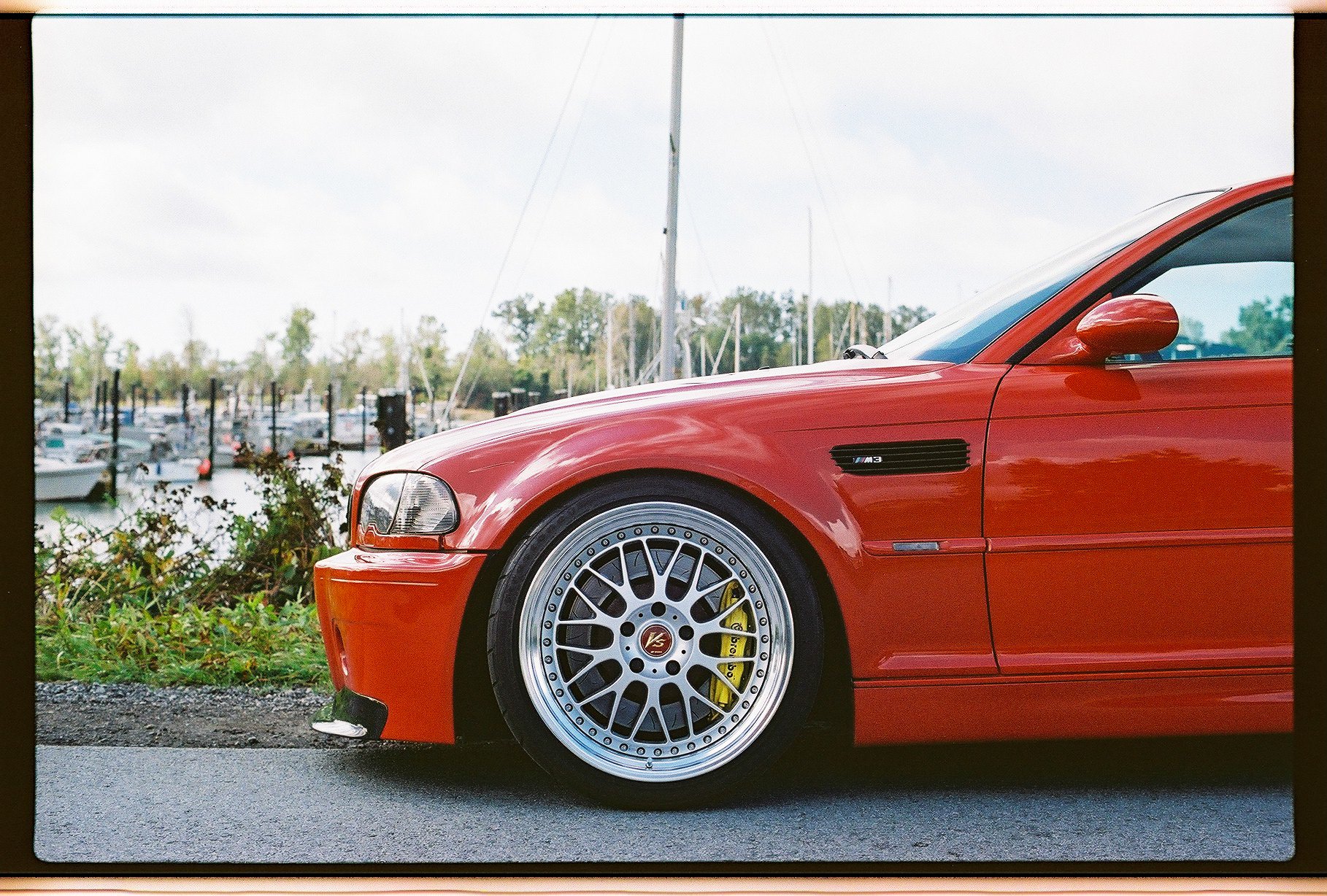
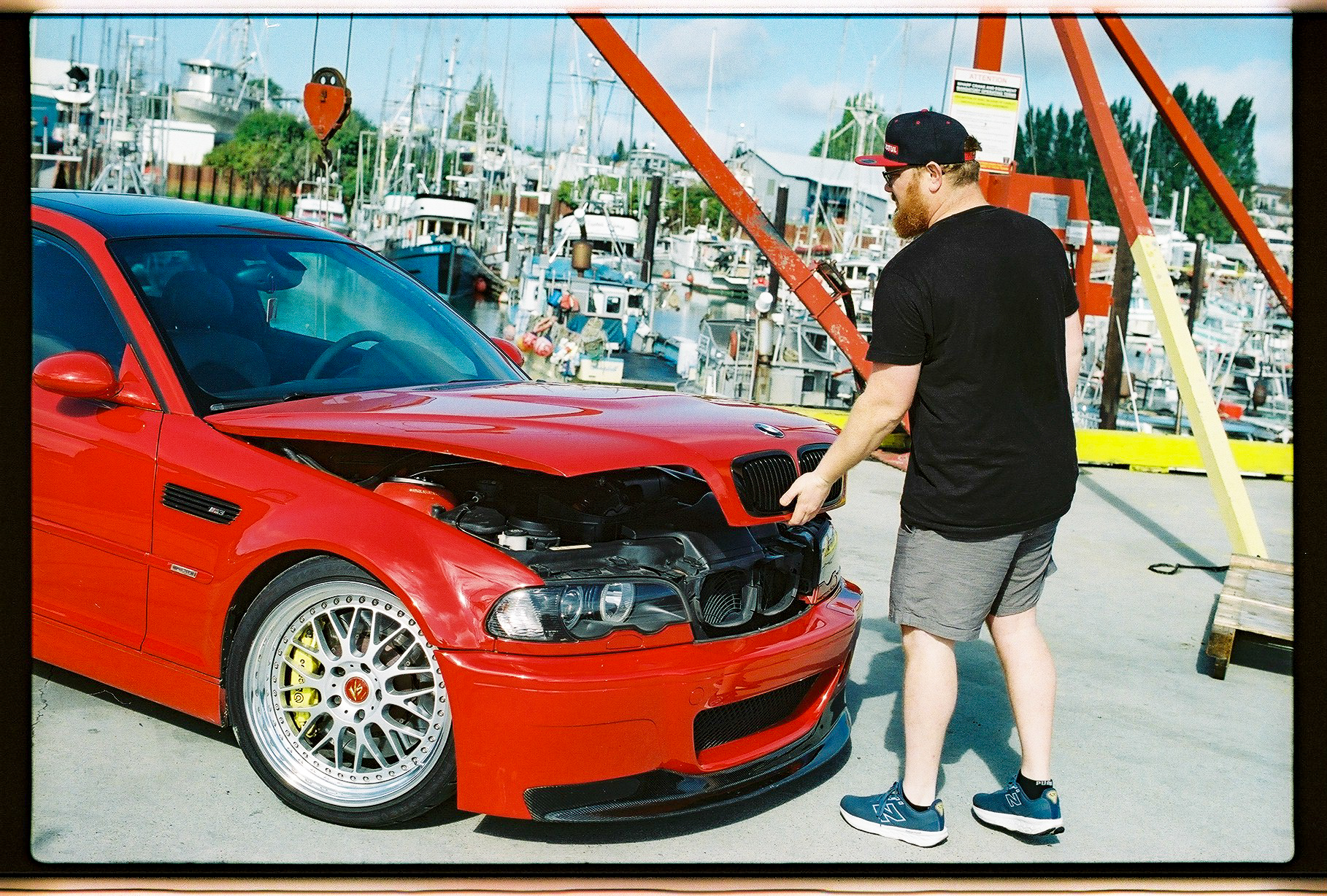
Make: BMW
Model: M3
Year: 2002
Some cars leave an impression, and for Josh, it happened at age 10 when his dad brought home a 1997 BMW M3. As a diehard enthusiast for the brand ever since, he’s owned several over the years—but this 2002 M3 that he’s been improving since 2016 is here to stay.
Finding it on Craigslist nine years ago, listed for a reasonable price, he felt like the time was right. Despite not really liking the larger body style and being more of an E36 guy prior, he bit the bullet and immediately tackled one of the car's three weaknesses: the subframe mounts. He has since refreshed the variable valve timing (VANOS) system and installed new rod bearings— all known to be the generation’s vulnerabilities if not attended to. Notable modifications include a full CSL kit, a CSL intake, and Work VS-XX wheels.
Being an evolution ever since purchase, almost everything has been changed besides the engine internals. There is something just special about the S54: BMW’s last high-revving naturally aspirated inline-six in an M car. Winning International Engine of the Year in 2001, not a lot compared to an 8000 rpm limiter with a little more than 100 hp per liter. When most of its competition were relying on either turbos or superchargers, BMW decided to make an 11.5:1 compression, 333 hp engine with independent throttle bodies, outperforming its original price point.
Having met most of his good friends through this exact car over the years, Josh is grateful for all the experiences it has brought him. From daily driving it in the early stages to a 7,500 km Alberta road trip in 2017, Josh has put over 100,000 km on his 2002 M3 over the years, and that figure will continue to climb as he continues to enjoy his ultimate driving machine.
09/26/25: Yen-Hsen's Mercedes 190E 2.3-16
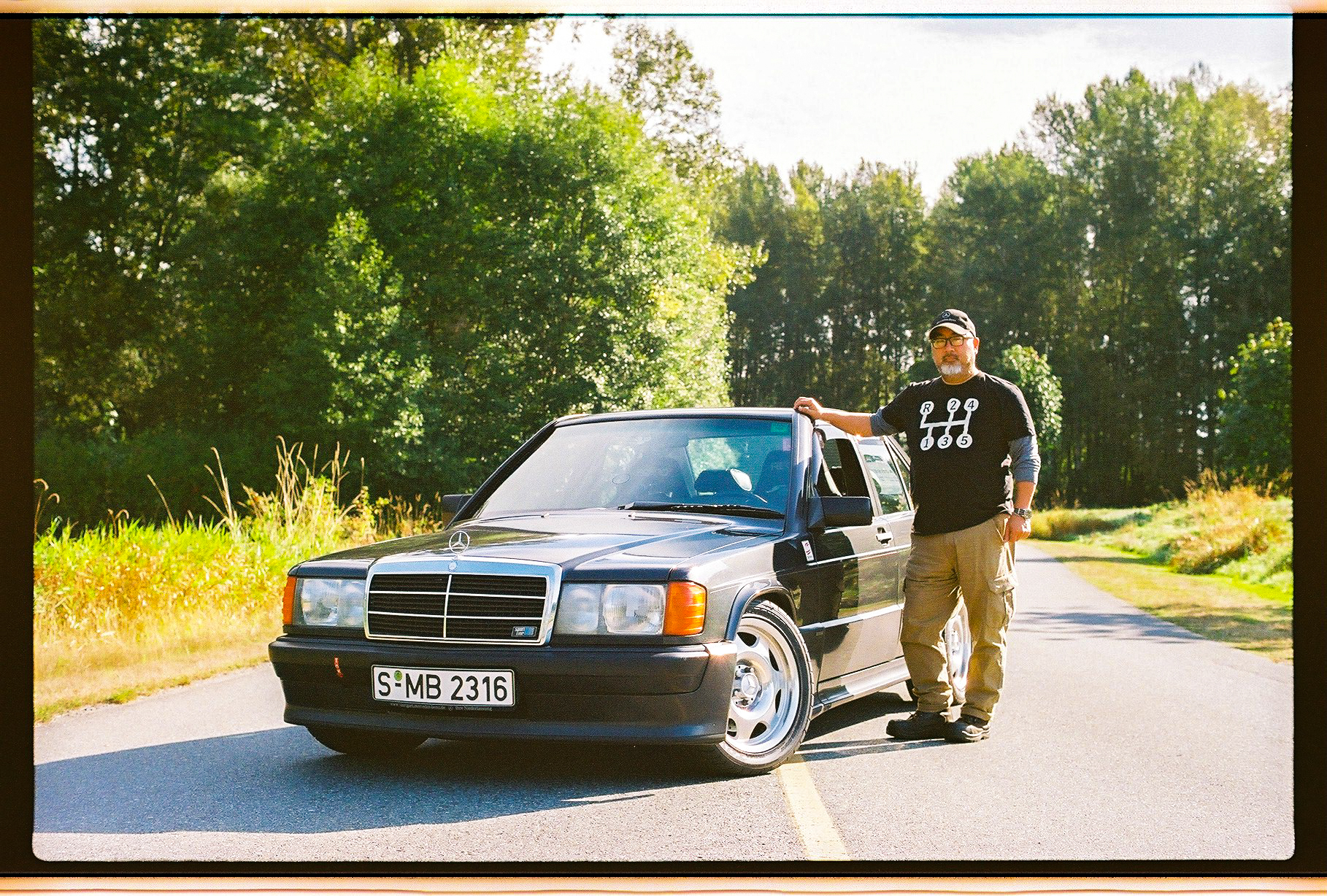
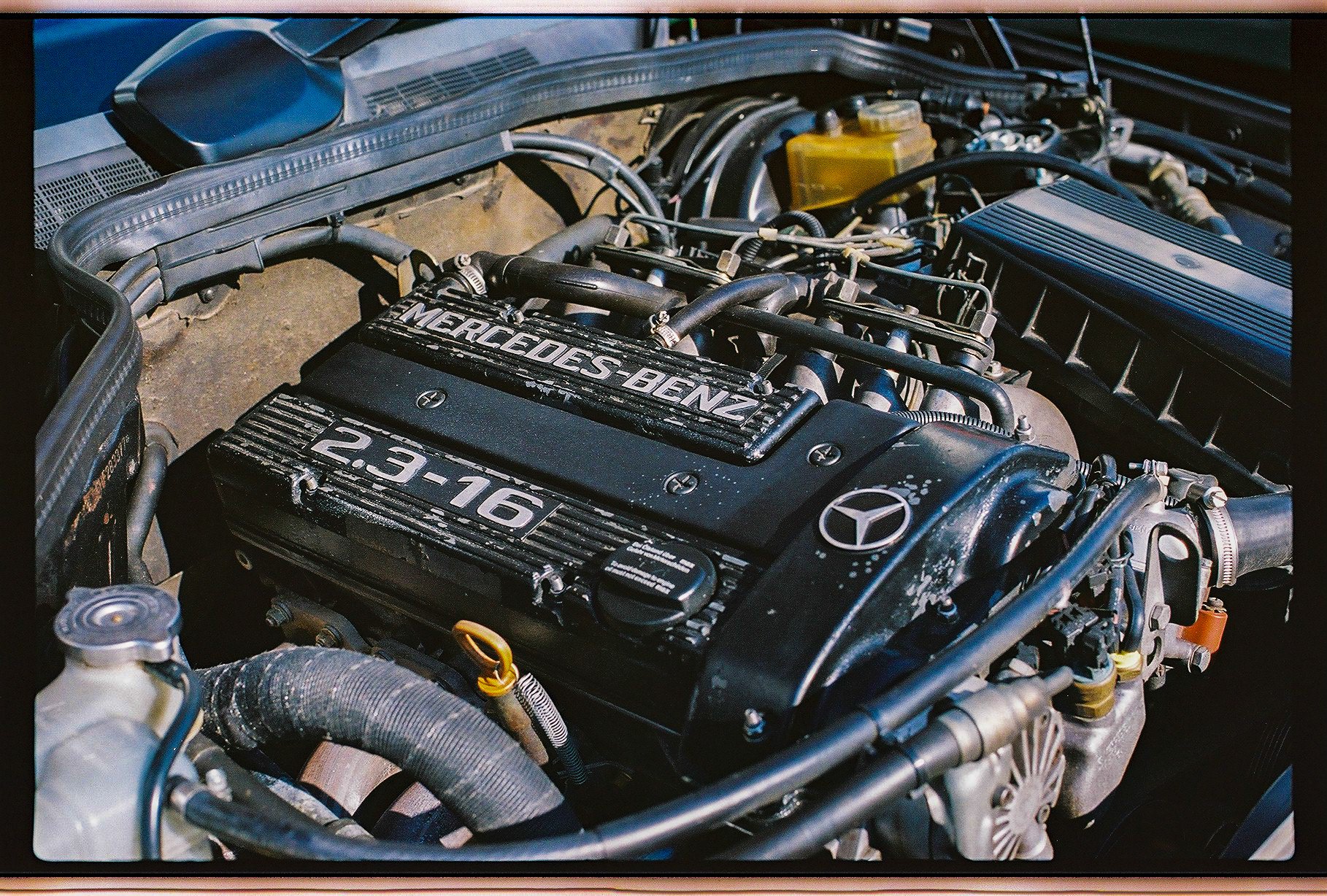
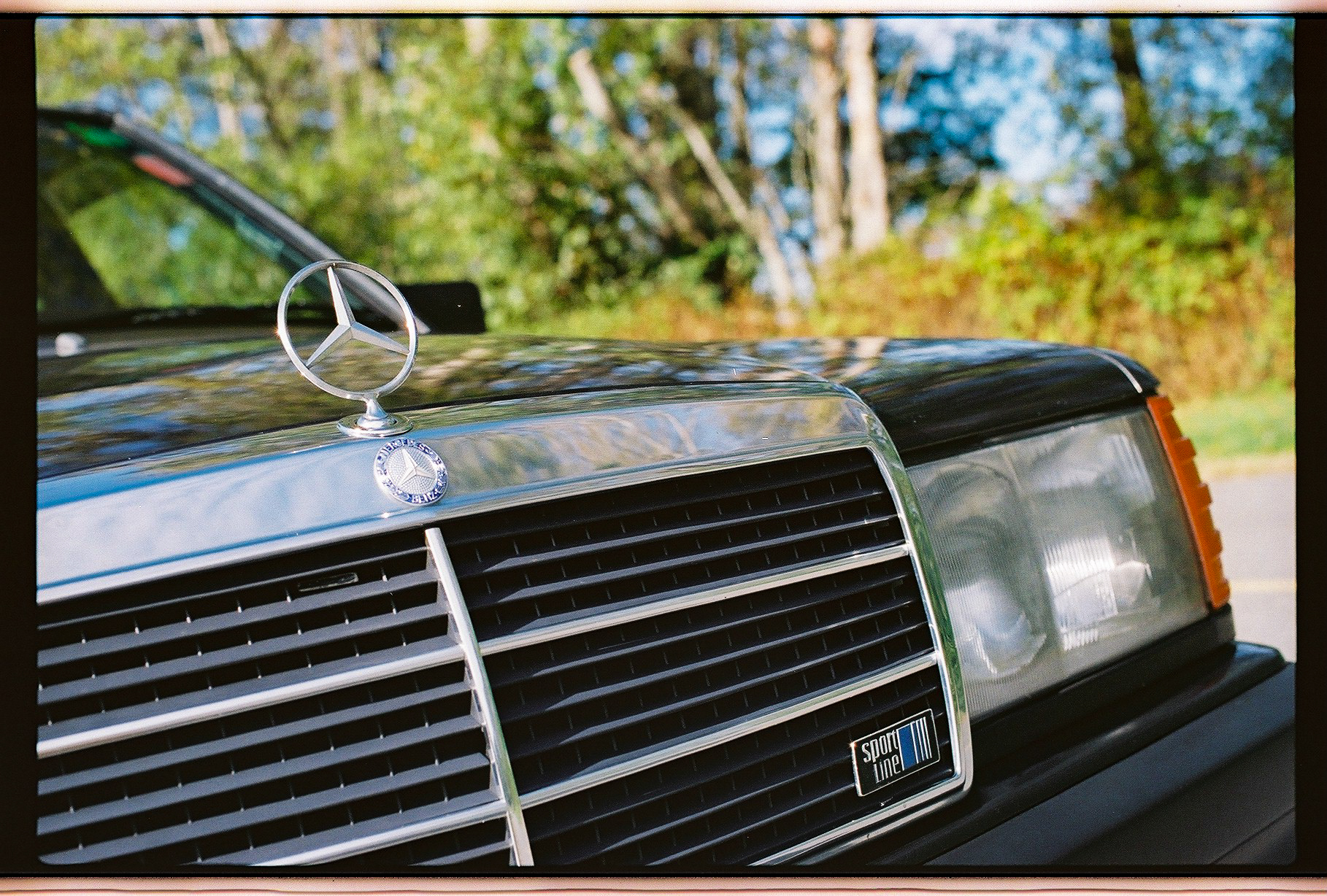
Make: Mercedes-Benz
Model: 190E 2.3-16
Year: 1987
On a local Mercedes-Benz club tour, Yen-Hsen, along with the group, made a stop at the (then) new Mercedes-Benz dealership on Boundary Road. The year was 1998. Walking through the pre-owned and demo car section, he took notice of a freshly imported 190E. Not long before Yen-Hsen’s visit, the sales manager had brought this one-owner, 53,000-mile example over from Boston. Freshly inspected, Yen-Hsen made the purchase before it was advertised locally and drove it off the lot two weeks later.
As Mercedes’ first entry into the compact executive saloon sector, the 2.3-16 was the high-performance variant of the standard 190E, the precursor to the C-class. Sporting a 16-valve, 2.3L Cosworth-developed inline four-cylinder, Mercedes used the model to set numerous world records including an endurance run at the Nardò test track in Italy. With three cars, numerous drivers, and an uninterrupted track, they drove for over 8 days (201 hours) straight at an average speed of 247.9 km/h to reach the 50,000 km mark. All three cars finished strong without any mechanical intervention.
It's been 27-ish years since Yen-Hsen acquired his 190E, and as time has passed, his appreciation for it has only grown. Being the first use case for Mercedes’ 5-link rear suspension, the chassis dynamics are superb, and its well-balanced profile only enhances that. Early on, Yen-Hsen installed lowering springs and thicker anti-sway bars, which proved helpful for the hard cornering that autocross inflicts. With these changes, the car is considerably more neutral at the limit of grip while maintaining its OEM predictability.
After all the years of wrenching, seat time, and hours invested, no noise, vibration, or smell is a stranger to Yen-Hsen: “It’s cheesy, but I really feel as if the car is an extension of me.” Appreciating how under-the-radar the 190E presents itself, most think it’s just another old Mercedes, while those who know, know. The only things he dislikes are the parts that are no longer available and the KE-Jetronic fuel injection system, as it can be finicky to keep running as time passes.
Admittedly, Yen-Hsen purchased this Mercedes due to the presence of a manual transmission and a cursory understanding of what the car was. All of the engineering, motorsports history, and quirks were to come after. In total, he has done 208,000 km throughout ownership, but now its duties are mostly to go on the odd local drive or participate in CCA rallies. After all, a good bit of 190E time has been reallocated to his more recent SL RallyBenz project. Looking forward, this 190E 2.3-16 will be receiving a Wavetrac LSD, Evo 2 cams, an Evo 1 body kit, and possibly a new EFI system. The ultimate goal is to build his own version of an Evolution 1 with the power and performance to match.
When asked to describe his 1987 Mercedes-Benz 190E 2.3-16 as an animal, Yen-Hsen said, “I’m not really sure… maybe a honey badger, because it’s scrappy and can frequently punch above its weight.”
09/12/25: David's Lotus Elan
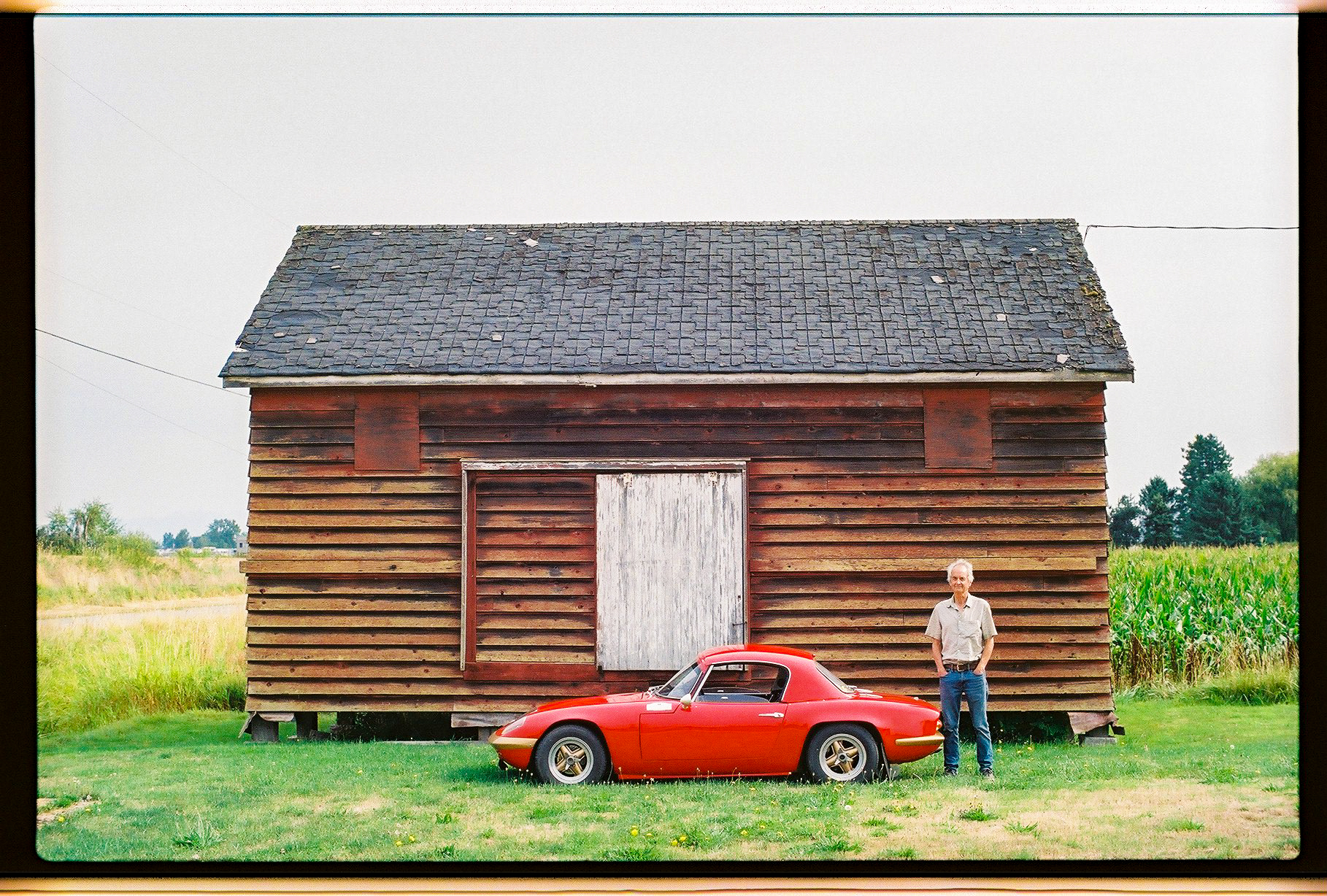
Make: Lotus
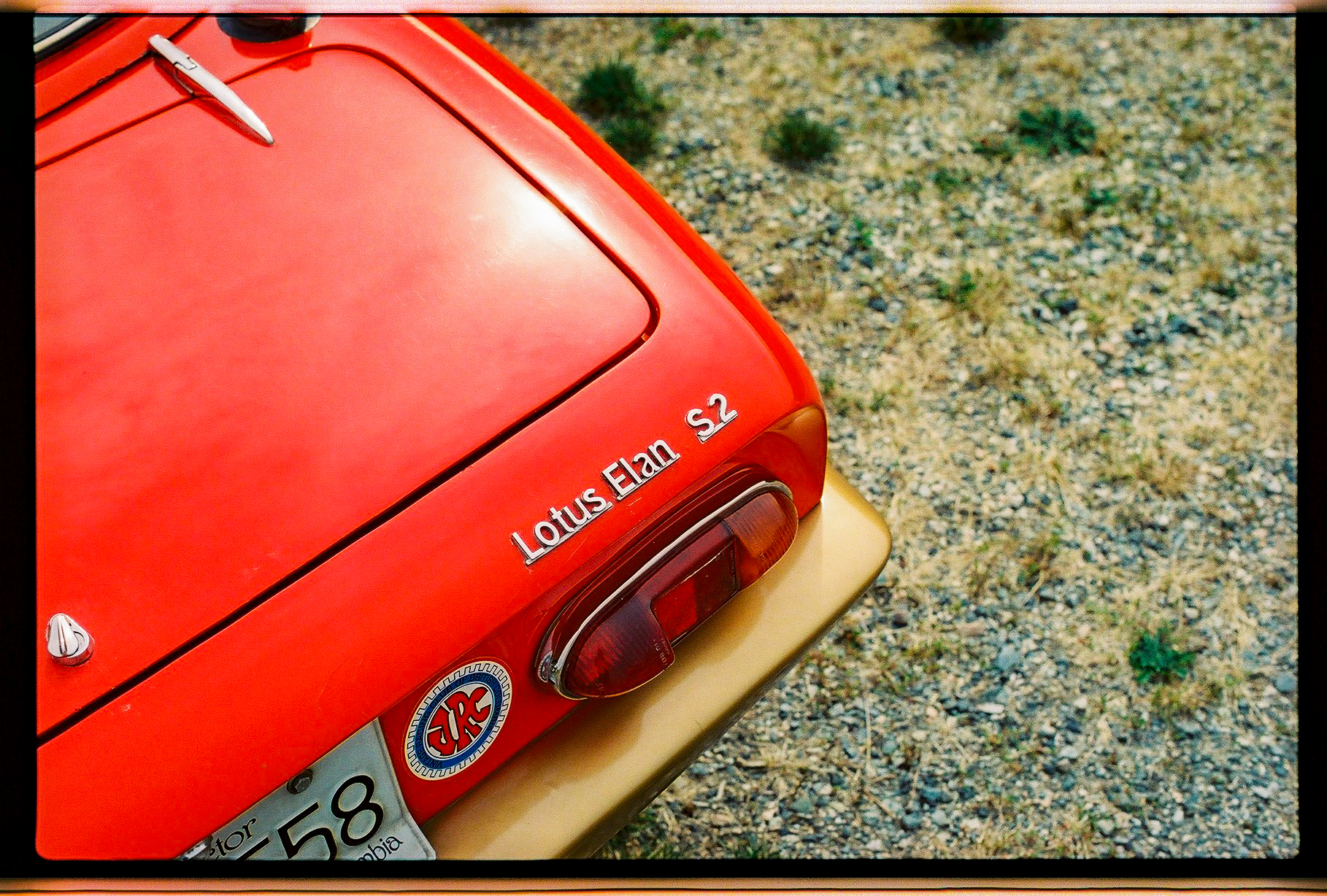
Model: Elan S2
Year: 1965
In 1984, David bought his first Lotus Elan under the basement of MCL Cars, back when they were a Lotus dealer. Noticing it was a factory 26R race car (apparently no one else did), he spent the next couple of years successfully racing it at Westwood, giving cars like a 427 Cobra a run for their money. Hooked on the chassis’s nimble nature and almost telepathic responsiveness, David has owned four Elans — all of them race cars. He has never driven a stock example.
Growing up in England during the time of Stirling Moss, Jim Clark, and Jackie Stewart, David’s childhood dream was always to race cars or motorcycles. Fast forward a few years: David became the third member of the Vintage Racing Club of BC when it was founded in 1976, and has been driving fast ever since. After racing two Elans in the eighties at Westwood, Seattle, Portland, and Laguna Seca—coupled with the sale of his Aston Martin DB2—David was on the hunt for not only an Elan, but an Elan with racing history, as that matters to him.
This specific Elan S2 was the Western Champion in the B Production class from 1967 to 1969 and was fitted with many original 26R parts in the ’60s. Since taking ownership, David has stripped the car to its bare bones, allowing him to sandblast and reinforce the chassis with Robert Maynard. This has made the car durable enough to withstand the odd gravel event — like this past year’s Rush to Gold Bridge.
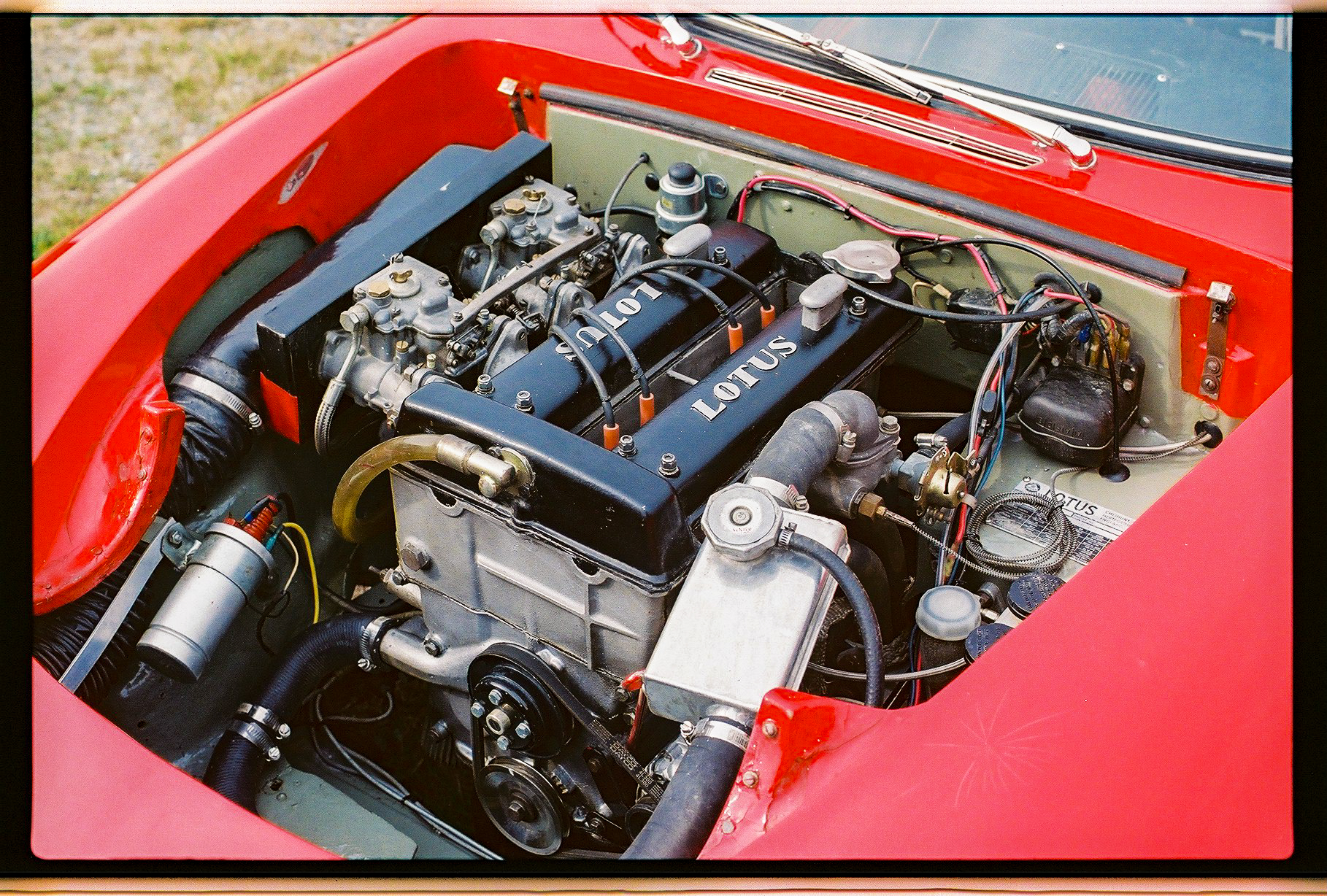
The engine is built using an old Formula Atlantic crankshaft, a Cosworth-prepared engine block that increases capacity from 1558 to 1720cc, Carrillo-style rods, custom pistons, and 420-degree cams. The cylinder head is original, with modified ports and camshafts, and he’s also opted for sliding spline driveshafts instead of the original rubber doughnuts. David rebuilt the factory close-ratio gearbox and the rest of the car with reliability and durability as the goal. He plans to change the rear wheel arches to 26R style and remove the race-type suspension joints to quiet the ride.
From eight Spring Thaws to four Rush to Gold Bridge events and a nonstop trip back from Nelson, David isn't shy when it comes to using his Elan. When asked why someone would dare to take a car like this on an off-road event, he said, “Possibly because nobody expects to see an Elan on gravel? After the Elan survived its first RTGB, which was Pavilion Road up to Lillooet, I figured it could survive anything!”
David describes his 1965 Lotus Elan S2 as a terrier. It is small, fast, very agile, and bites the arse of cars that should be able to walk away from it.
08/29/25: Heather's VW Cabriolets
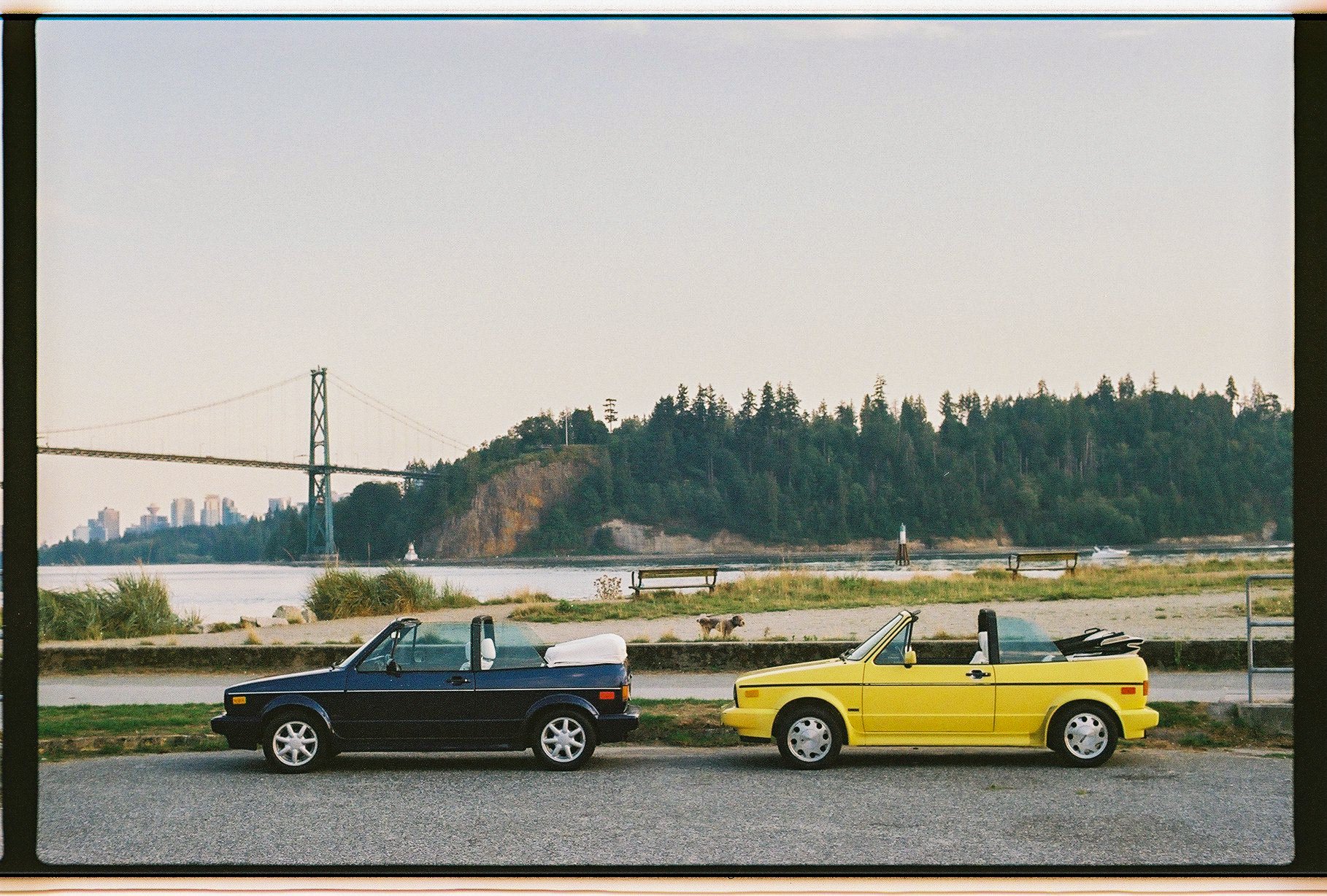
Make: Volkswagen
Model: MK1 Cabriolet
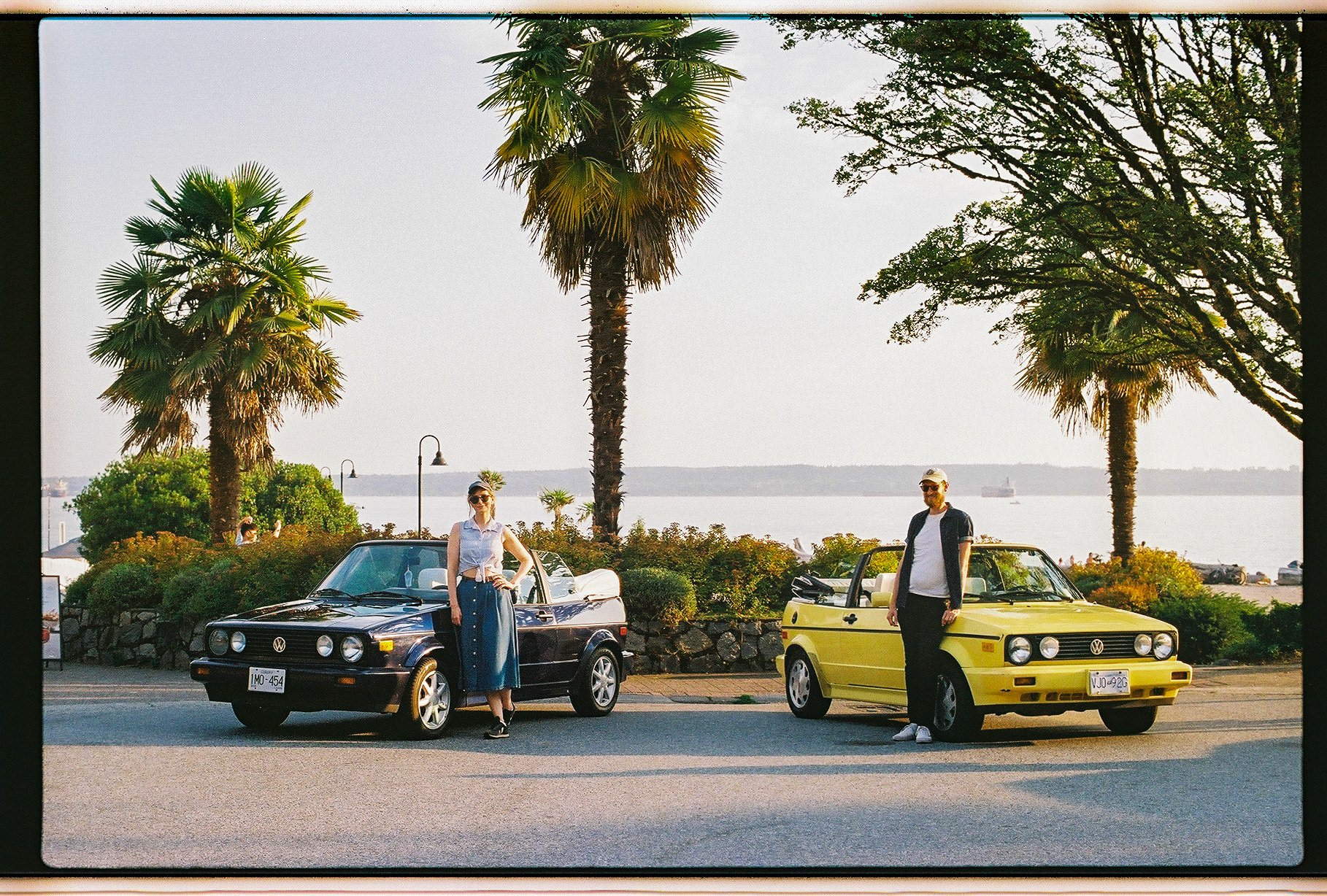
Year: Scoops (blue) is a ‘92, Banane (yellow) is a ‘90
Borrowing her folks’ Toyota Matrix for years while avidly disregarding the airbag recall notice, Heather was finally met with a rather serious message in big red block letters reading, “WE CAN’T UNDERSTAND WHY WE HAVEN’T HEARD FROM YOU!” On the reluctant drive to the Toyota dealer to put this fuss to an end, she was stopped at a red light long enough to notice a lot full of classic cars, mostly old Mercedes SLs. That's exactly when Heather decided she was done driving a boring car.
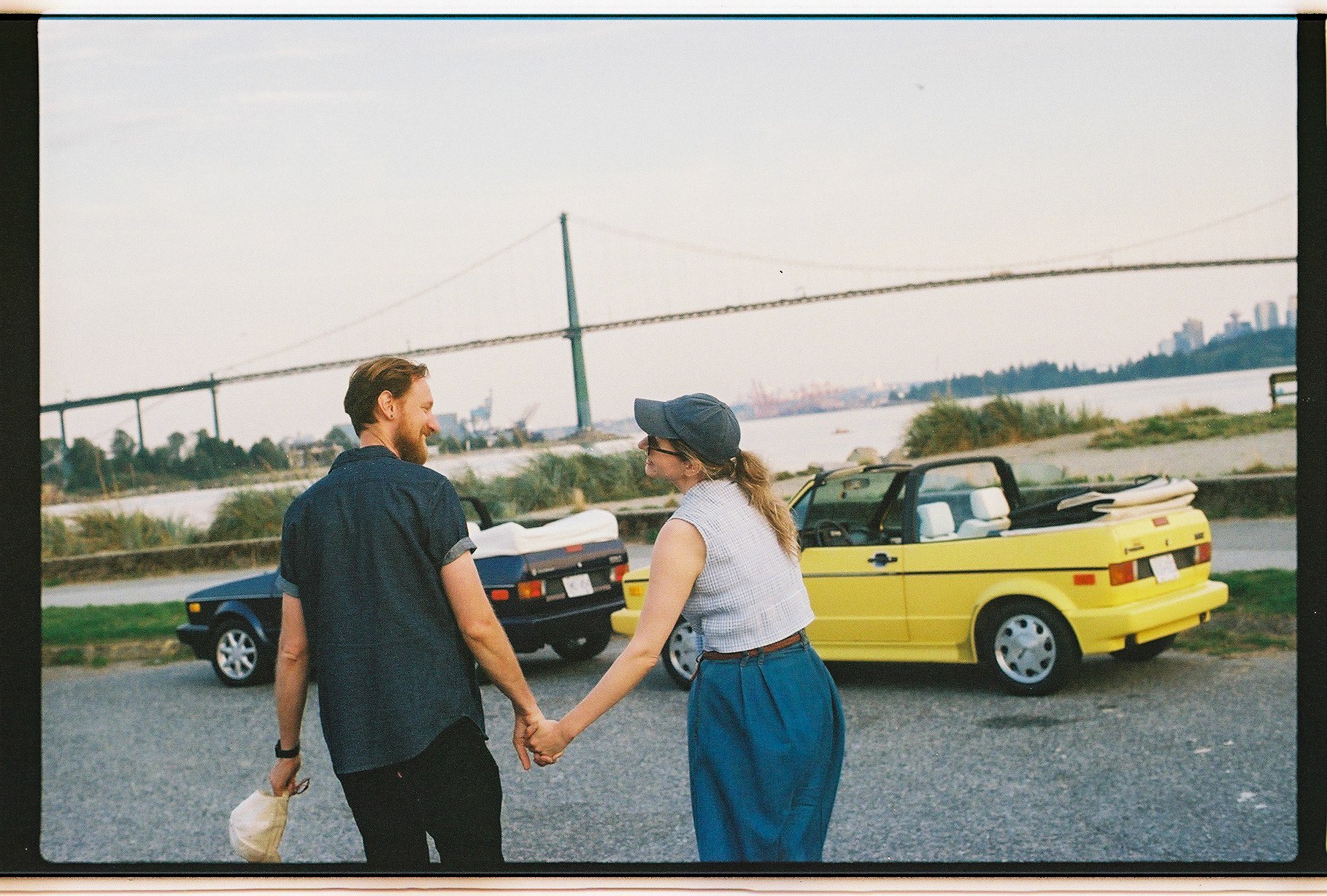
Poking around the lot that afternoon, she spotted a grey MK1 VW Cabriolet and asked if it was for sale. He asked, “Did you see the sign? CARS NOT FOR SALE! Do you see my phone number up there or any other contact information? NOT FOR SALE!” Even though Heather wanted one in “Candy Colour,” a sit-in was necessary — he obliged. It was her first time sitting in her dream car, and it felt right. Finding out later that the shop owner also had a blue Cabby at home, she convinced him to let her see it — and later buy it! His name is Scoops. Banane (yellow) was purchased a little later with the intention of being a parts car for Scoops but has survived thus far.
“Scoops” (blue Cabby) is short for Little Two Scoops, a childhood mishearing of the Beach Boys song Little Deuce Coupe.
— since August 2022
“Banane” (yellow Cabby) is less creatively named after his banana yellow colour.
— since January 2024
They are both MK1 Volkswagen Golf Cabriolets, made in Germany, have 5-speed manual transmissions, 1.8L engines, and a threatening 94 horsepower. You don’t get anywhere fast, but if you’re driving a Cabriolet, you have already arrived.
Scoops is basically top-of-the-line for the entire run of the MK1 Cabriolet, which stopped production in ‘93. He has an upgraded stereo, white leather interior, and every option other than A/C. He’s also equipped with a hydraulic top — which is currently not working. On the other hand, Banane (pronounced beh-nan) is a pretty standard Cabby apart from the white leather interior. We still love him though.
The MK1 VW Cabriolet is Heather’s dream car.
“I like literally everything about my cars apart from how much money I spend on them, but that’s owning old cars.” Years ago, when Heather first moved to Vancouver’s North Shore, she would occasionally see a group of kids in their late teens or early 20s cruising up and down Marine in a yellow Cabby during the summer. She thought, "that's the life.” And after owning two of them, she was right.
Bringing joy to everyone — Gen Xers often tell her stories like, “I graduated high school in ‘92, and this was the car all the rich girls had.” The purest reviews are often by children who think they look like toys and “want to ride in that car!” When Heather takes them to the carwash, the guys who work there always seem excited to see her car and dance along to her music! It's hard to think of another vehicle that consistently inspires spontaneous carwash dance parties.
While driving downtown this summer, stopped at a light, a guy wearing yellow sunglasses driving a new Porsche 911 Turbo pulled up beside Banane. Heather and her husband Paul waved and smiled to motion something like, Hey, me too! Same same! Yellow Convertibles Club! Paul then quickly put on the yellow sunglasses perpetually hanging from Banane’s rearview mirror, and the woman in the Porsche’s passenger seat said, “Someone should take a photo!” Heather snapped the pic and they proceeded to cruise briefly together. Moments like those reinforce how the guy in a +/- $200,000 sports car doesn't have it any better than her: “we’re both cruising around in our dream cars in the sunshine.”
Before buying Scoops, Heather had never operated a stick shift car. She learned specifically because her dream car happened to have a stick shift in it. Despite it being a turnoff at first, she is so glad that she learned, as it makes the driving experience much more pleasurable. While growing up, the boys were taught more about mechanics than girls, and she occasionally sees women excitedly approach her cars only to be disappointed that they are manuals. Heather wishes more women had the opportunity and encouragement to learn to drive manuals and be able to access the experience that she has driving these cars. Avidly getting to know her cars, Heather is still learning about engines and how everything works, but is thoroughly enjoying the process.
When asked where they have taken her, Heather said, “mainly to the beach and to get milkshakes.” Their longest successful trip has been to the VW show at Tsawwassen Mills. In an effort to do something more adventurous, Heather and Paul set out for Hornby Island this summer, but Scoops’ shifter linkage came apart not long after they arrived in Nanaimo. They (ironically) had to borrow her aunt and uncle’s Toyota Matrix for the remainder of the voyage.
Coming up shortly, Banane will be treated with a new top and a muffler; his boot also needs a clean. Scoops, on the other hand, needs a full paint job. Heather fantasizes about painting Banane to look like a Harlequin Golf or a bubblegum pink Barbie car — with the livery and everything — but would only do it if she could get Mattel to pay for it.
Heather describes her two VW Cabriolets as
“aging shelties — cute, compact, sparky, and in constant need of exercise and attention.”
08/15/25: Thomas' Volkswagen Iltis
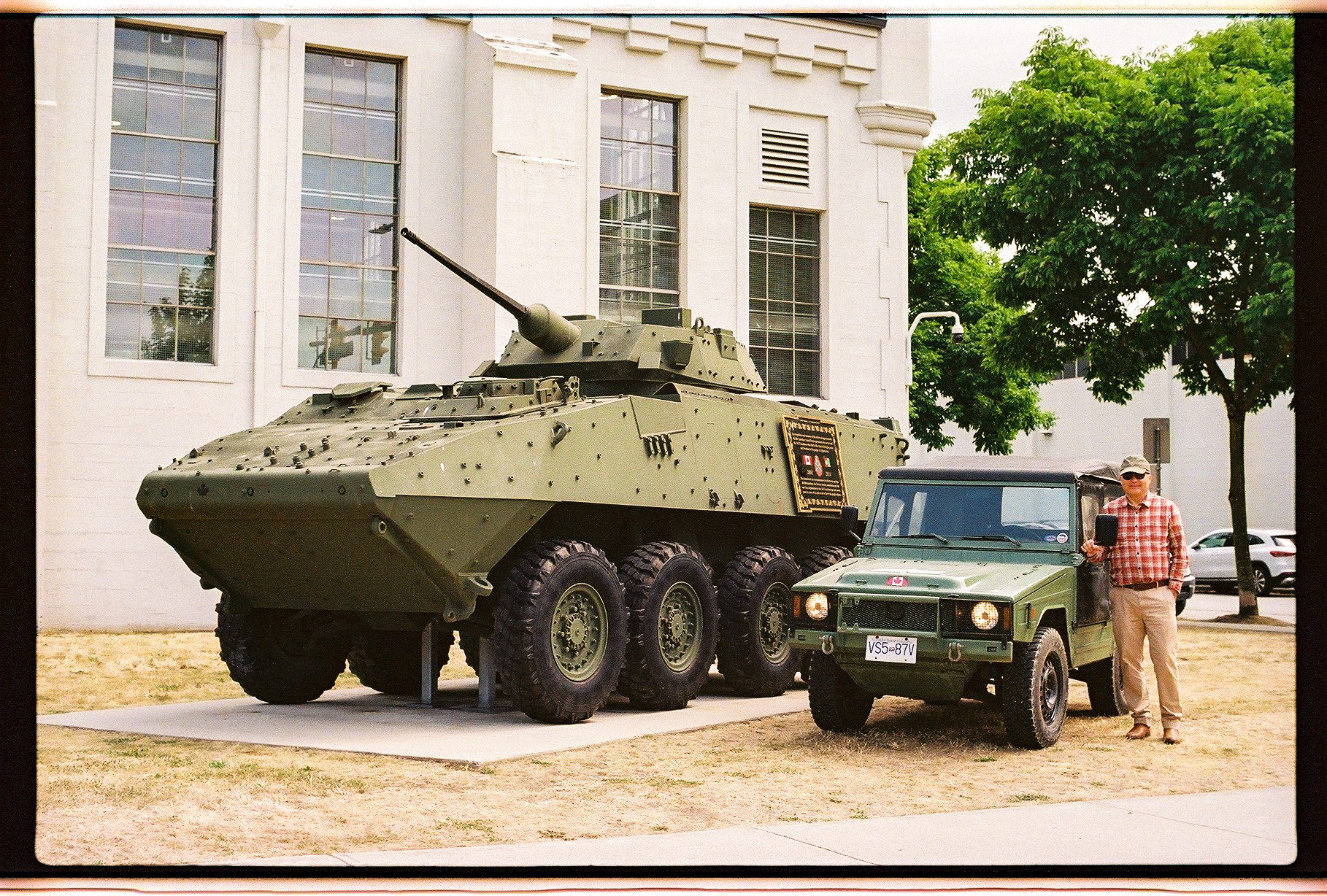
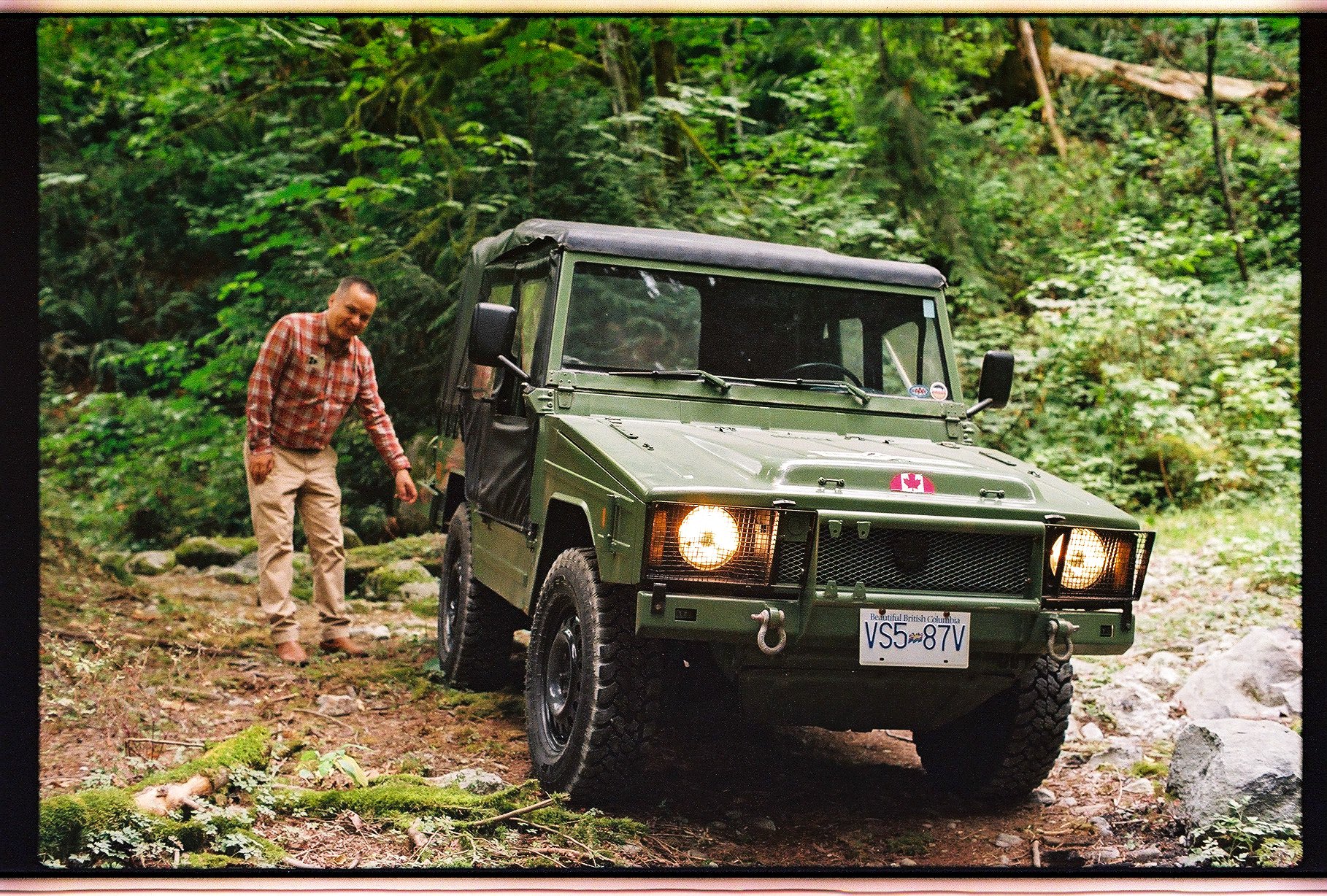
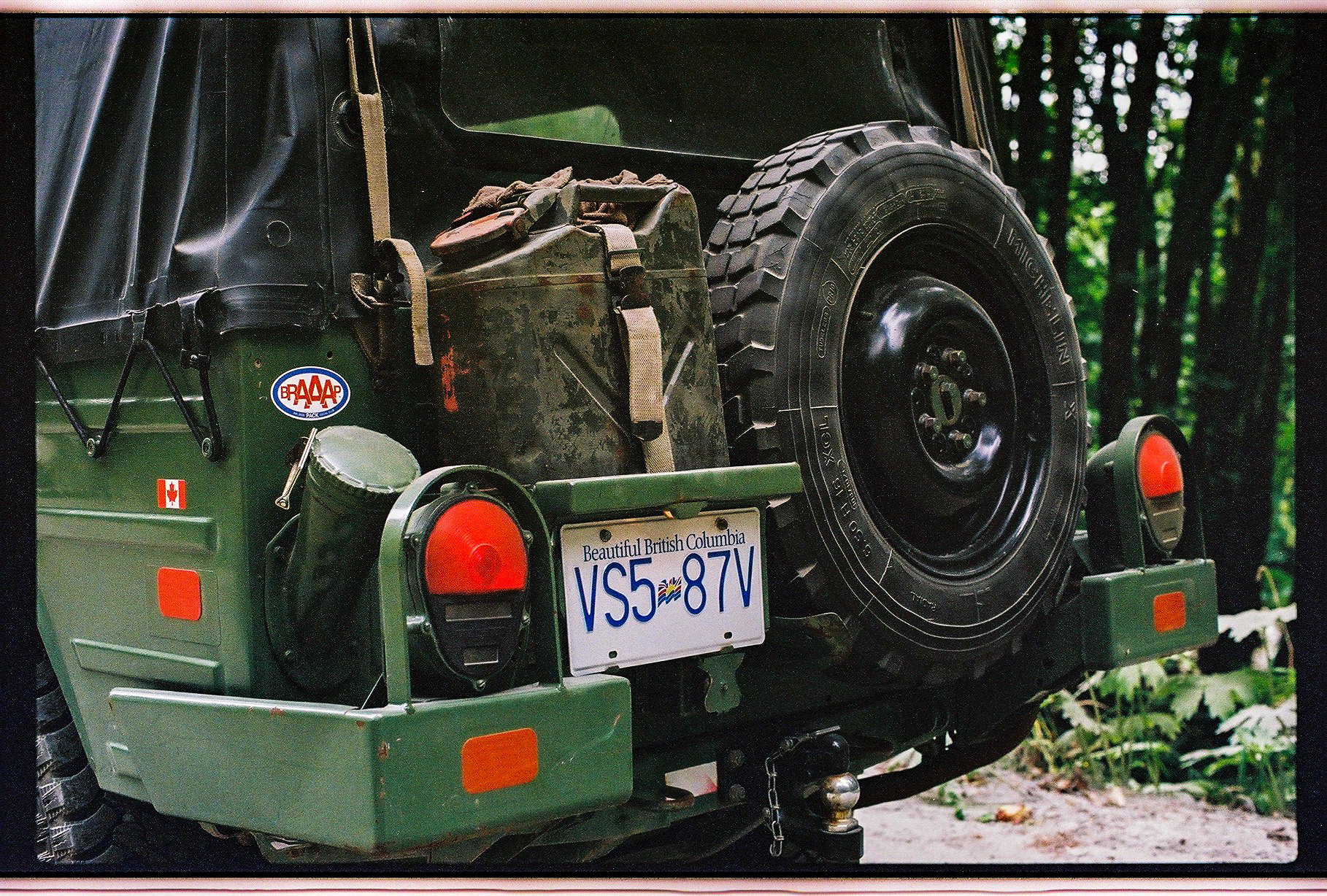
Make: Volkswagen/Bombardier
Model: Iltis/Type 183
Year: 1985
Growing up in Germany and later moving to Canada, Thomas and his 1985 Volkswagen Iltis share something of a similar past. Licensed to and made by Bombardier in Quebec for the Canadian Armed Forces, this unique military vehicle is not only appreciated for its quirky nature but also for its connection to his late friend.
Previously owned by Helen Poon, this Iltis was used primarily as the "cigar car" due to its well-ventilated interior. Since acquiring this vehicle two years ago, Thomas has expanded its use cases to hunting, fishing, and Sunday drives to the German butcher.
Thomas loves the rugged design, the idea that it can be repaired in the field, or driven through a river. It's a little noisy on the highway, so some hunting earmuffs are a good precaution, but not a necessity.
Under Thomas’s ownership, it has received a solid mechanical overhaul, including new shocks and springs that transformed the ride quality, new filters, fluids, a new radiator, and more. On the way back from the 2024 Spring Thaw Rally, the exhaust blew out right after the header, but besides that, it’s been a fairly dependable vehicle.
Featuring a 24V electrical system with two 12V batteries in series, the starter is more reliable in extreme cold, and providing power to another military vehicle is convenient thanks to the NATO-standard slave power plug. This plug, located just beside the clutch in the driver's footwell, was originally intended to power military radios and field tools.
One thing Thomas appreciates about this vehicle are the interesting conversations it sparks with people who have served in the armed forces. Veterans sharing experiences they’ve had behind the wheel of one make it a very friendly and humble car. It receives only smiles—some people are even empathetic toward it, depending on the weather.
Thomas has managed to put around 10,000 km on his Volkswagen Iltis annually, from CCA rallies to errands around town. Next weekend, he will be taking on Rush to Gold Bridge, an off-road rally taking place on Vancouver Island accompanied by other various classic cars.
When asked to describe his 1985 Volkswagen Iltis as an animal, Thomas chose “an Iltis, obviously—surprisingly fast, with a fondness for the outdoors.” (Iltis is German for polecat, a small weasel-like animal)
08/01/25: Nick's Austin-Healey 100/4
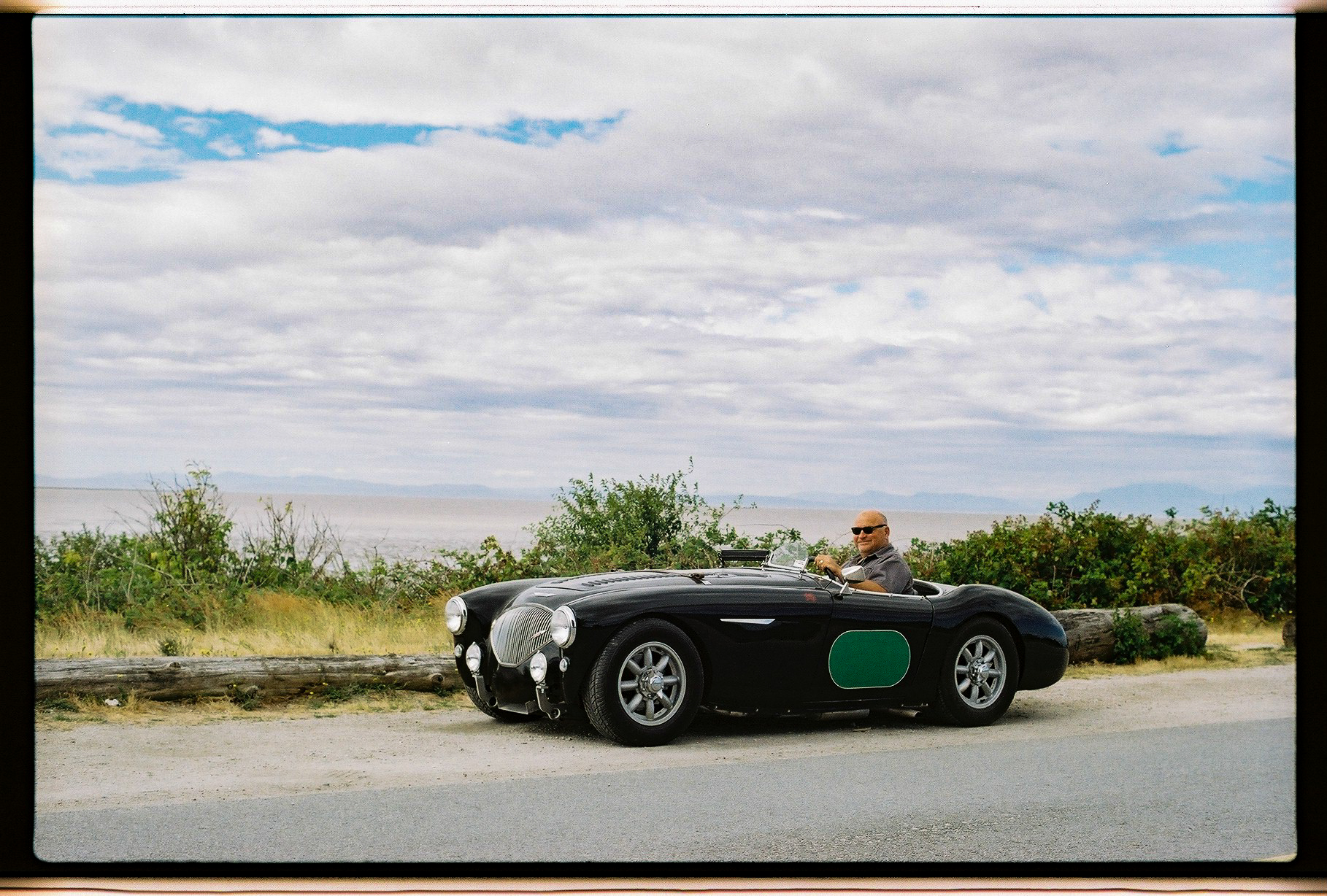
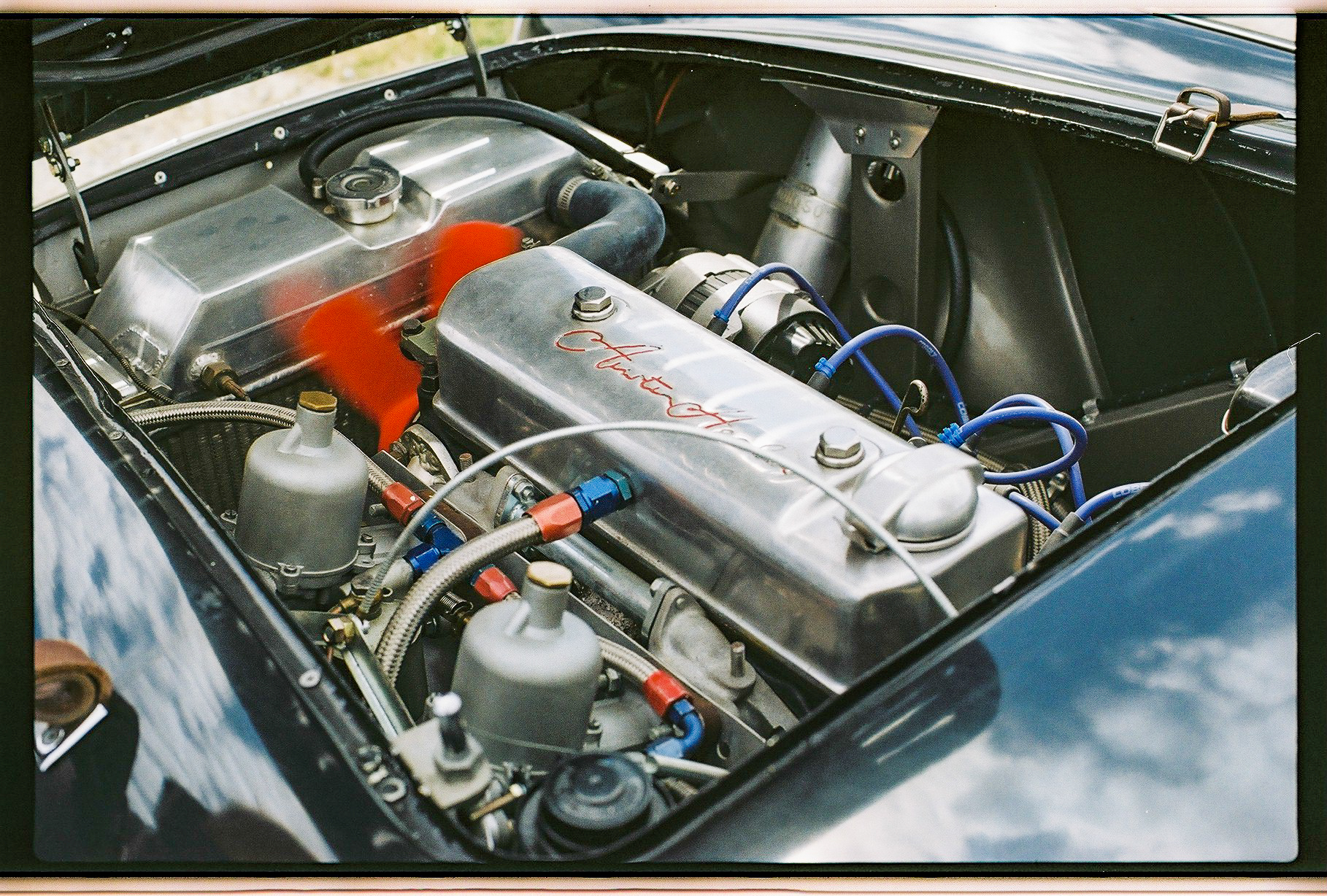
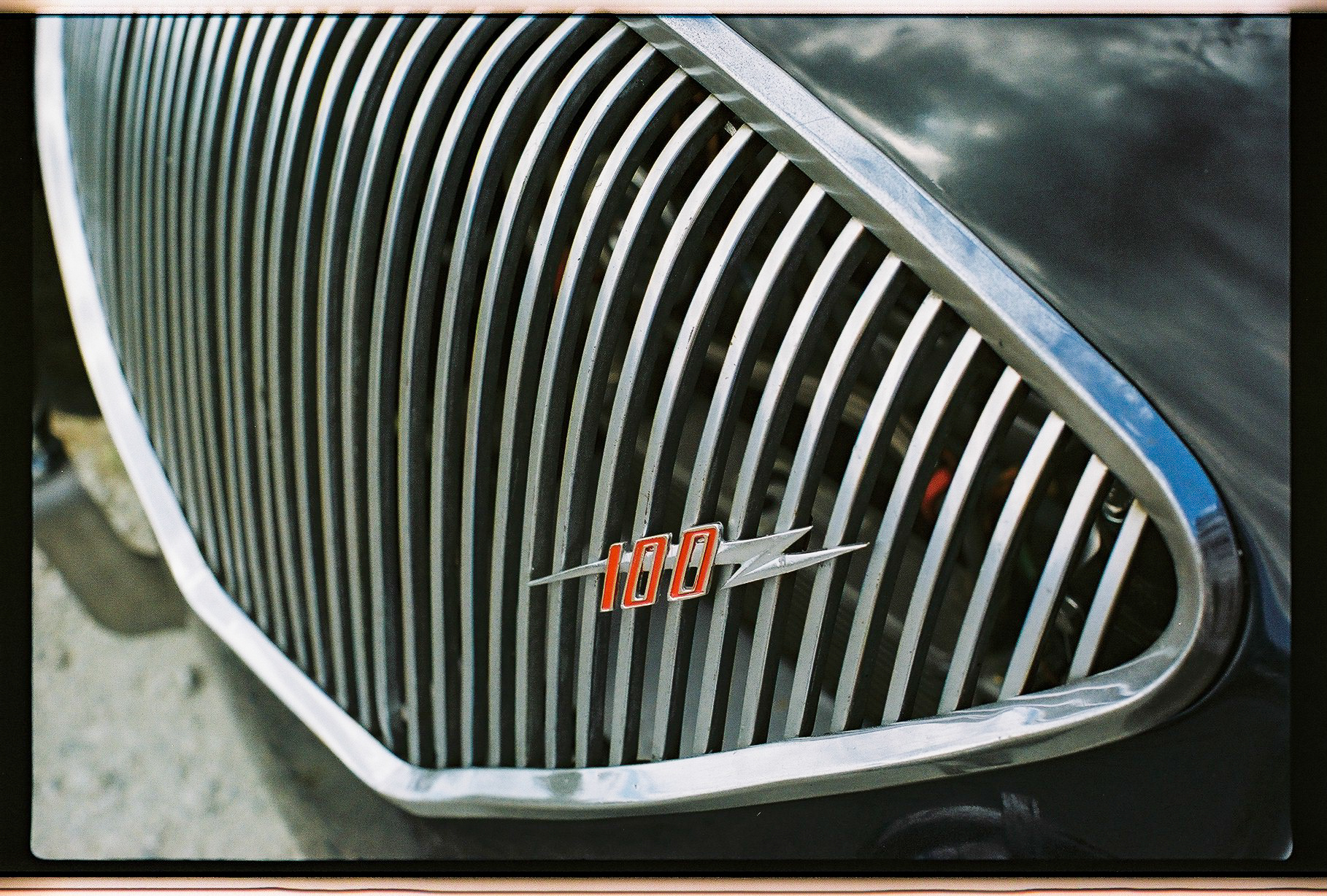
Make: Austin-Healey
Model: 100/4 BN2
Year: 1956
As a young man with a Bugeye Sprite, Nick was an active member of the Healey Club back home in England. At one of the frequent pub gatherings, some fellow members mentioned they needed a hand removing an engine. He offered to help. With four guys, a couple of planks, and some rope, they managed to pull the engine out of a metallic blue 100/4. It was the first time Nick had seen one, and he found it to be a beautiful car—he had to own one someday.
With a grandfather who raced motorcycles and a father who took him to Formula 1 races at Silverstone, Nick grew up surrounded by motorsport. After saving for a while, he took a two-day driver training course at Brands Hatch. Following the classroom sessions, the students hit the track in Chrysler Sunbeam hatches and, later, a Formula Ford open-wheel car. Now hooked, Nick quickly got his racing licence and bought a 3L Healey for £1,400. All that was required back then to go racing was a leather jacket, leather shoes, and a helmet.
Though his racing days are behind him, one of Nick’s more notable accomplishments includes his time at La Carrera Panamericana, racing a Ford Anglia in 2000.
Nick found this 100/4 on eBay Motors in 2011, and it stood out among all the rough examples he'd previously seen. Located in Colorado Springs—something he only thought about after placing the winning bid—he was now in for quite the road trip from Vancouver. Nick and his family hopped into the Tundra with a trailer and made a beeline down south, only to arrive and be told they’d have to wait until Monday to pick it up—the seller was in court. Thankfully, he was a judge.
This 1956 Austin-Healey 100/4 BN2 had belonged to a fellow named Skrym, who, as far as we know, turned it into a race car in 1992. It has history at tracks including Watkins Glen International, Pikes Peak International Raceway, Mont-Tremblant, Lime Rock, Road America, and many more.
Once Nick had the 100/4 back home, it underwent a full nut-and-bolt restoration, including dual circuit brakes, a straight-cut Sebring gearbox, and a Jule rechassis. The engine was built by a Harley-Davidson shop in Denver.
Healey named it the 100/4 because it could reach 100 mph and had a four-cylinder, 2,600cc long-stroke engine. Nick doesn’t dislike anything about the car, aside from it being a product of the 1950s. Tending to require a good push to get anything out of the brakes, every drive becomes a workout. He wouldn’t mind if the brakes were boosted.
The lifelong pursuit of his 100/4 and finally owning an example of his own has deepened Nick’s appreciation for what Mr. Healey was up to back in the ’50s. Although he doesn’t see himself going wheel-to-wheel on a racetrack anytime soon, his love for motorsport remains, along with plenty of stories to tell.
When asked to describe his Austin-Healey 100/4 as an animal, Nick chose a black panther: “Beautiful and stealthy looking—but not so stealthy when it’s going.”
07/18/25: Shawn's Volvo 245 DL
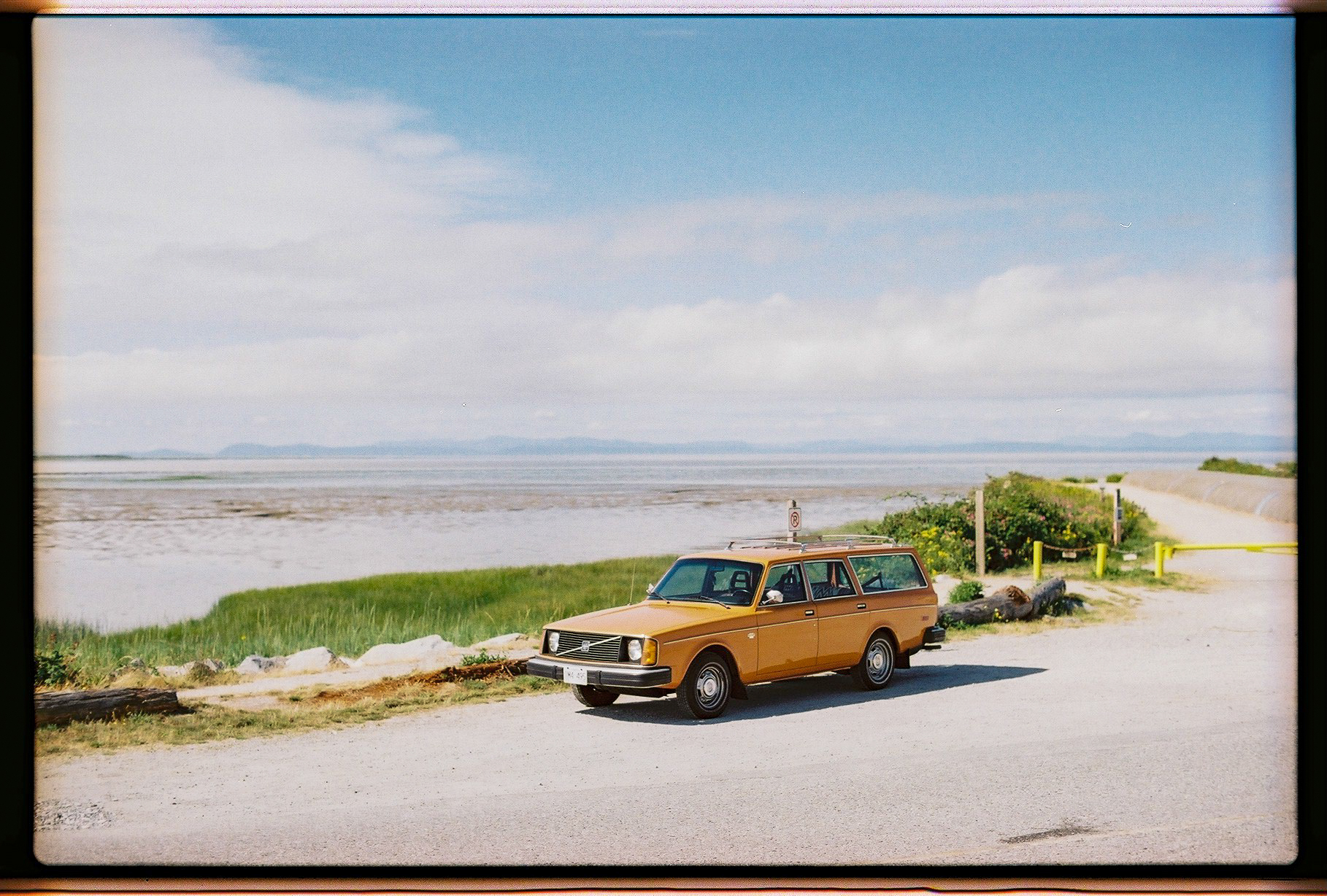
Make: Volvo
Model: 245 DL
Year: 1976
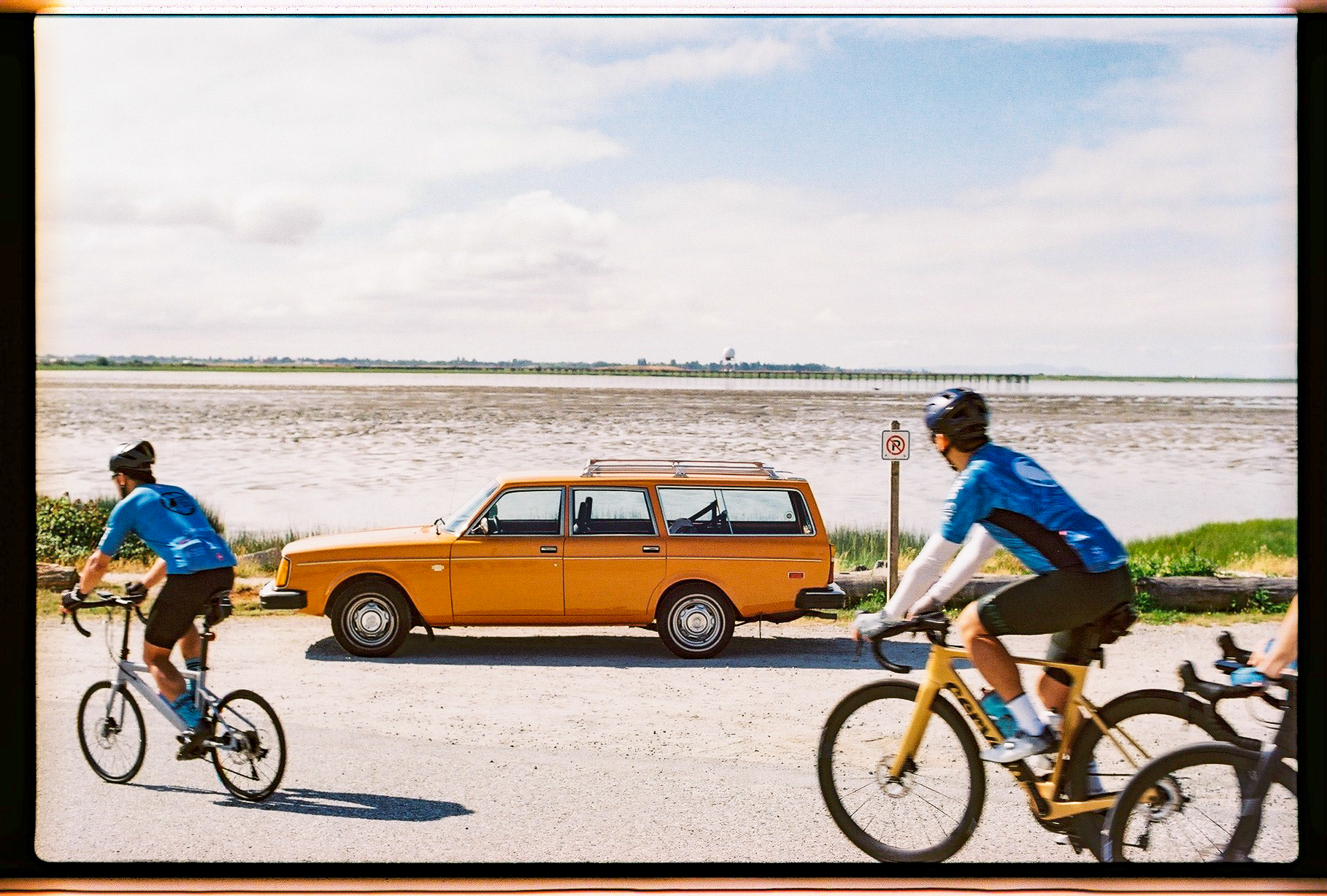
Stumbling upon Bring-a-Trailer one morning, Shawn came across a posting that caught his eye: a rare, rust-free Volvo 245 DL in iconic period orange. The more he looked, the more he liked it — and with it just across the border in Seattle, the more it made sense.
Turning to his wife, Shawn showed her the posting, and she exclaimed, “Wow–I love it! We should bid.” Before this, she had never responded so positively to a new addition, but given her and Shawn's history with Volvos growing up, there was a sense of nostalgia at play. With the auction ending later that day, a reminder was placed.
Later that afternoon, while out with friends on the Capilano Suspension Bridge, Shawn's wife asked him, “What happened to the Volvo?” Prompting him to take out his phone, he saw there was only one minute left on the auction — and without hesitation, she said, “Throw in a bid.” Like any good husband, he did.
After placing the bid, Shawn lost cell reception inside the park and frantically tried to reopen the app, but it wouldn’t load. Figuring that he had been outbid, it wasn’t until 45 minutes later — while checking out at the gift shop (his daughter had found something she liked) — that an email from Bring-a-Trailer popped up: “Congratulations, you are the highest bidder!” It turns out the other bidder also lost cell service while camping with his family.
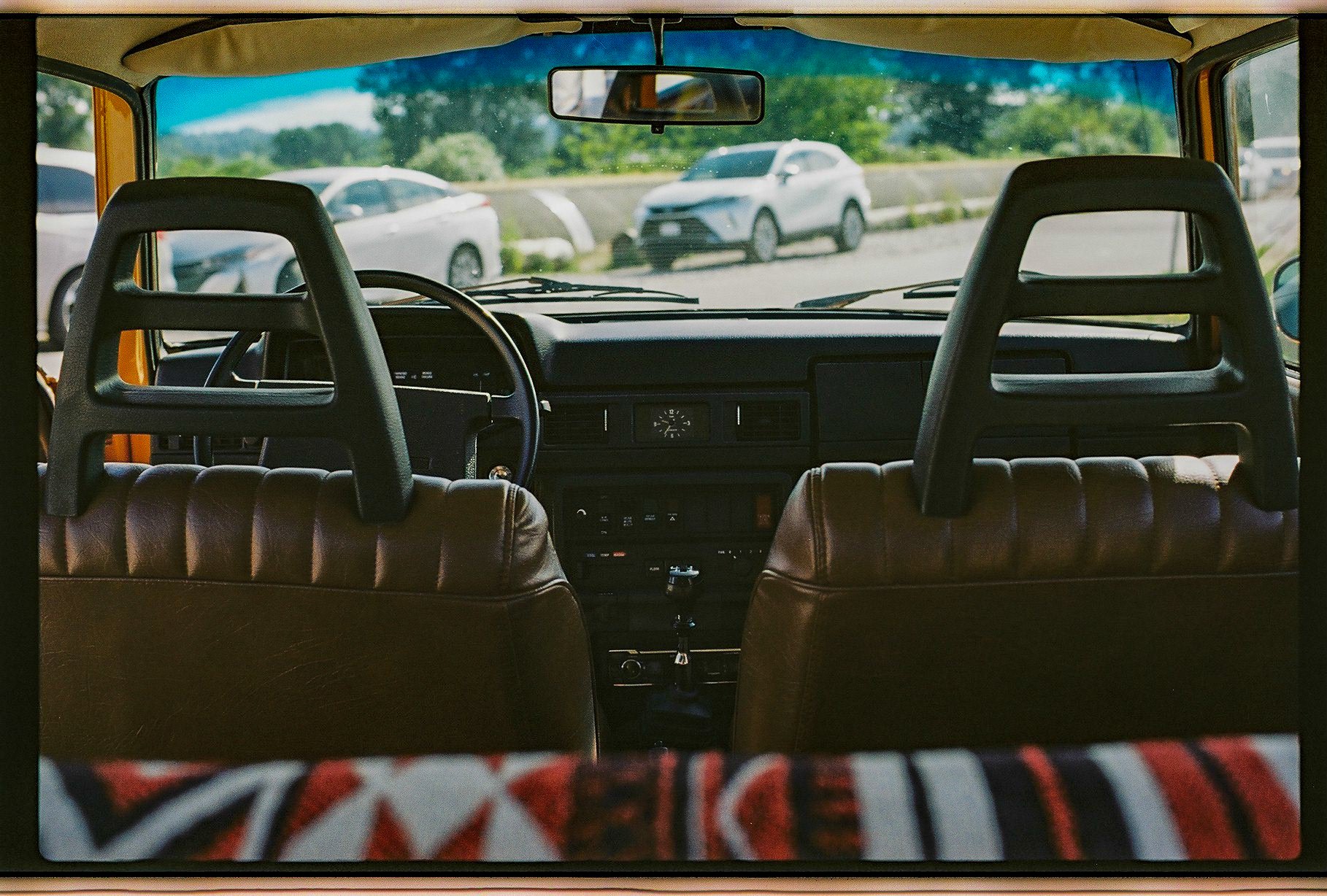
Designed with people in mind, this 1976 Volvo 245 DL was advanced not only in the safety department but also served as a true utility vehicle. Volvo was an innovator, introducing crumple zones as well as three-point seatbelts for all positions, which they invented. On the mechanical side, the B21 engine with Bosch K-Jetronic fuel injection was a big upgrade over carburetors (when working correctly).
Had this classic Volvo been a generic colour, it wouldn’t have been nearly as appealing to Shawn. Improving on its condition, he had a full window-out respray in the original #116 Yellow. It's comfortable when cruising on the highway especially with overdrive and proved to be pleasant transportation on its maiden voyage home from Seattle.
Sometimes Shawn daydreams and thinks, “What if I pull the engine and make it into a total sleeper?” These dreams are short-lived, however, and the purist in him loves seeing it the way it is. Refreshing suspension and steering components will likely be the next update to keep this Volvo a family staple for years to come.
Shawn describes his classic Volvo wagon as a “moose with lipstick on.”
07/04/25: Thor's Fulvia HF "Fanalone"
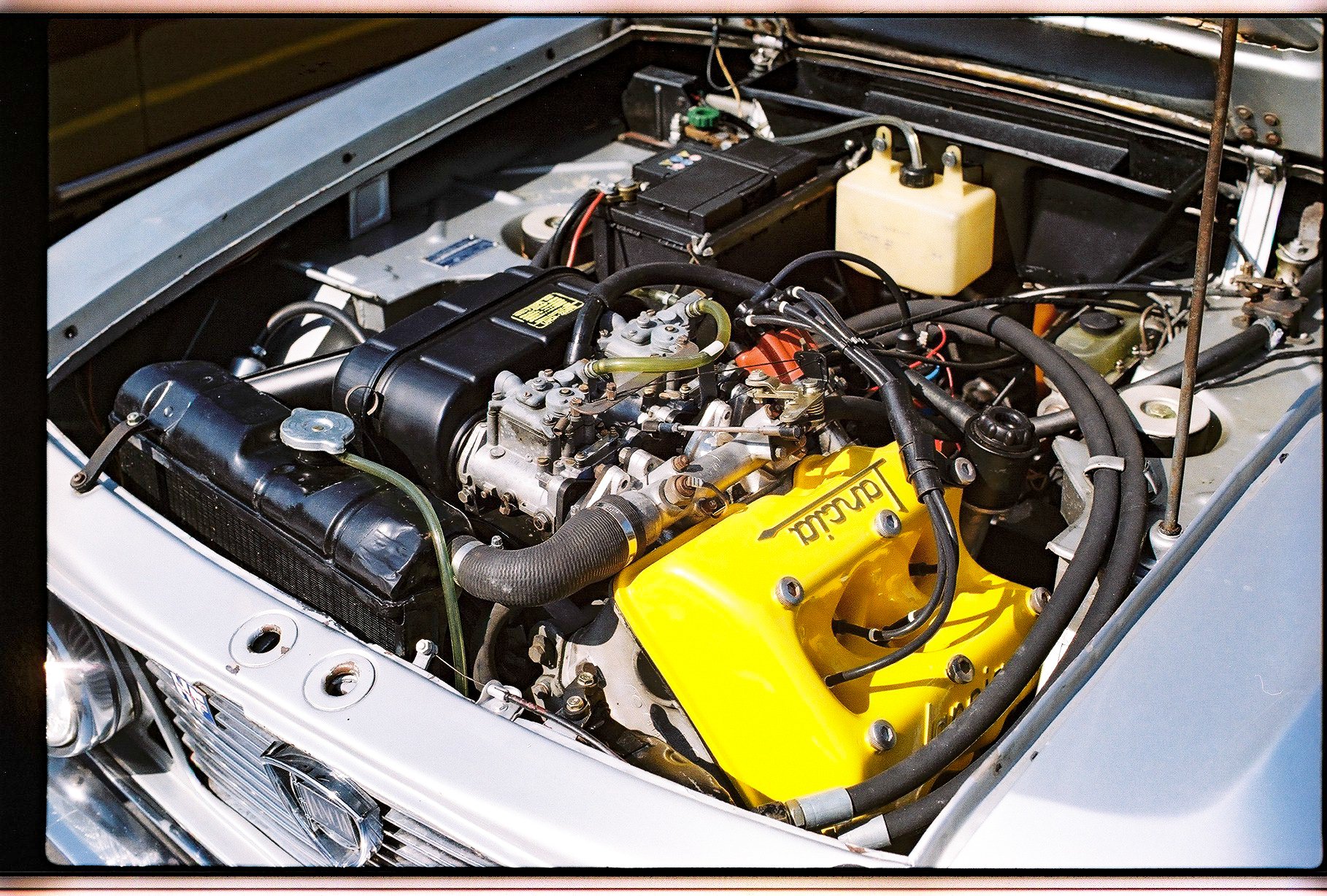
Make: Lancia
Model: Fulvia Rallye 1.6 HF
Year: 1970
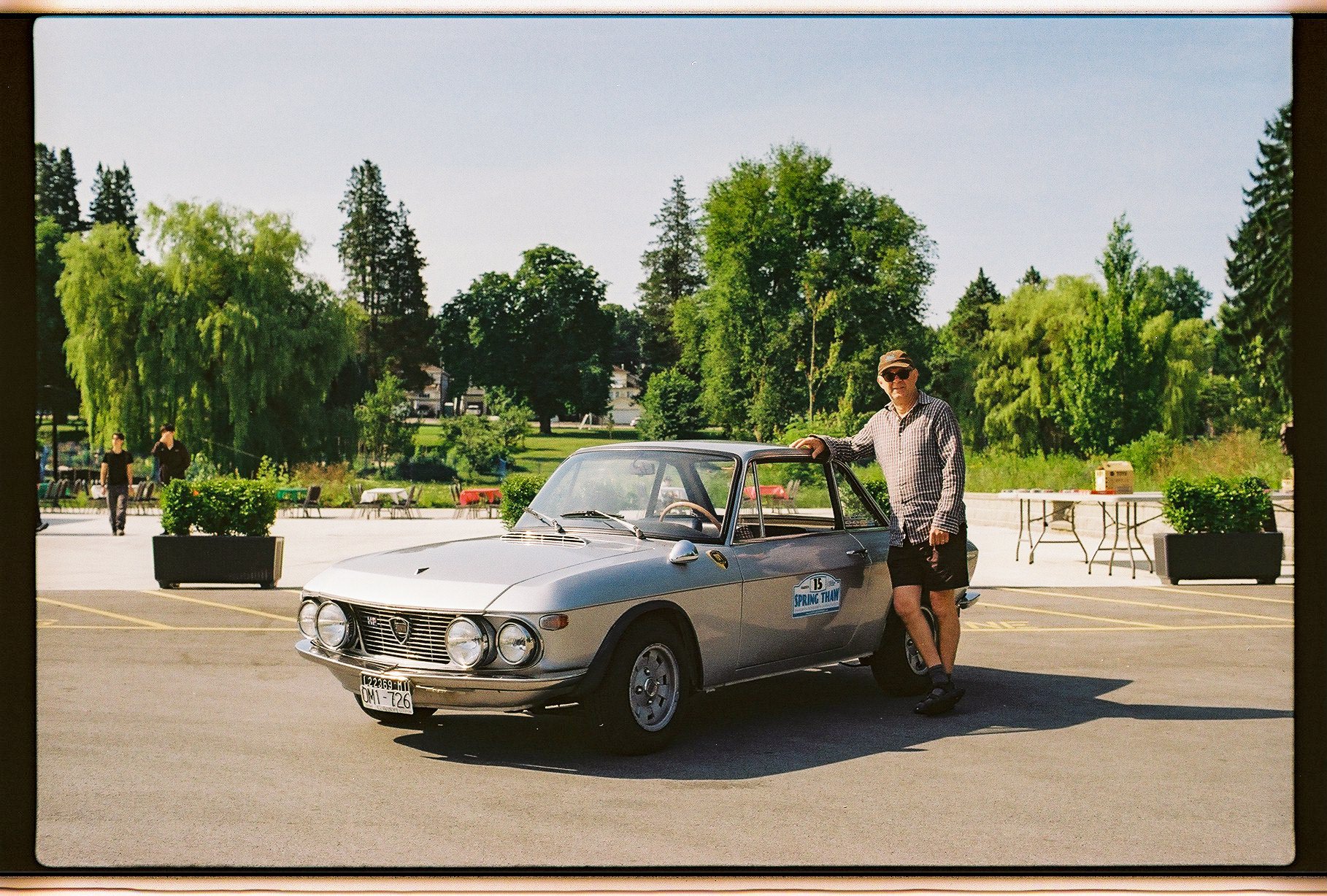
At 14, Thor was hanging around the outskirts of Dar es Salaam, the capital of Tanzania, spectating the East African Safari Rally when a Lancia Fulvia HF blasted past “going like the clappers.” He found it to be the coolest thing: huge lights, wire mesh bars for bouncing off animals — it was brutal. The year was 1971, and he still has the photo, taken with his Kodak Instamatic.
Many years later, and deep in an internet rabbit hole, Thor managed to find a Fulvia HF listed at an auction in Milan, Italy. The odd thing was that all the other listings were of wine, 21st-century art, and items of that nature — this Lancia was the outlier. Knowing it was in the wrong place, Thor put in a bid for €2,000 above reserve and went to bed.
The next morning, excited to see the result, his mood was quickly shattered when he realized he had accidentally sent the bid to himself. The vehicle was sold at reserve. Elation turned to despondency. Thor immediately contacted the auction house and said he would give the highest bidder €2,000 more, like he had planned — and they agreed. He suspects nobody had actually bid on the car.
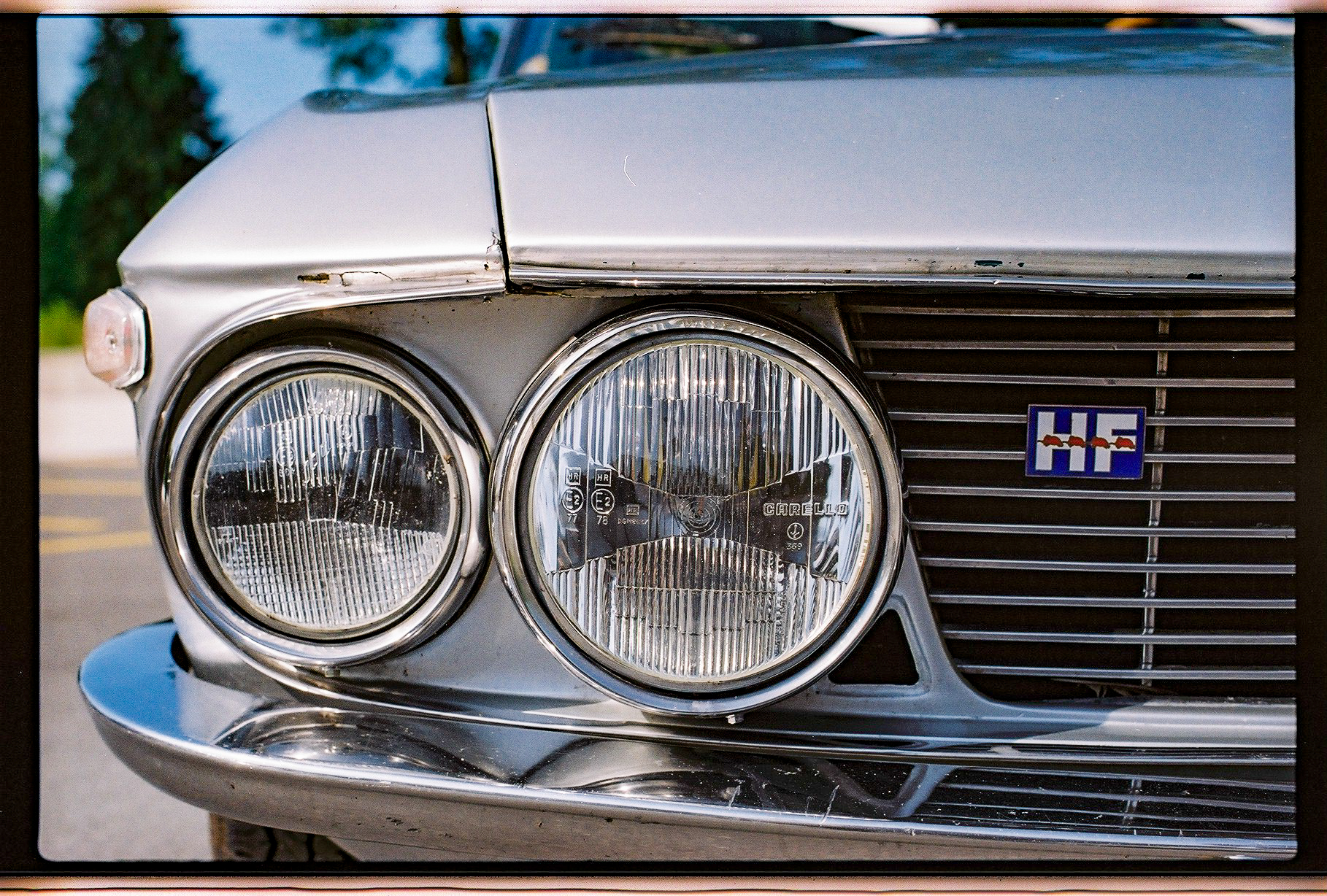
Thor is the third owner, with the previous one having it for 43 years. He loves the rally pedigree and considers it a street-legal rally car — a regular Fulvia turned up to 13. Differing from a standard Fulvia, the Rallye 1.6 HF (“High Fidelity”) had an entirely new V4 engine with dual Solex carbs putting out around 115 hp, a stripped interior, aluminum panels, upgraded suspension, bigger brakes, and more. The nickname Fanalone comes from its larger headlights, as rally regulations at the time restricted the addition of extra lights. This is car #950 of 1,258.
Doing all of his own work, Thor has gone stem to stern, replacing all wear items — so it’s now sorted and proven to be very reliable. He stripped off the underseal, cleaned off the surface rust, and plans to keep it stock, as most of the 300–600 Fanalones still in existence have been modified. This example is a true unicorn.
In the early days, without the means for a new car or a mechanic, he wrenched on his split-window hippy van out of pure necessity. Times have changed, but Thor still chooses to work on the car himself.
Thor’s Fanalone has taken him all over southern B.C., the Island, four Spring Thaws, and he plans to continue enjoying it in its current state by keeping up with maintenance. In his 4.5 years of ownership, the odometer has gone from 52,000 to around 70,000 km — and it will continue to rise.
Thor describes his 1970 Lancia Rallye 1.6 as a “yappy little terrier — all excited and always on the hunt."
06/20/25: Josh's 300SD
Make: Mercedes
Model: 300SD Turbo Diesel
Year: 1979
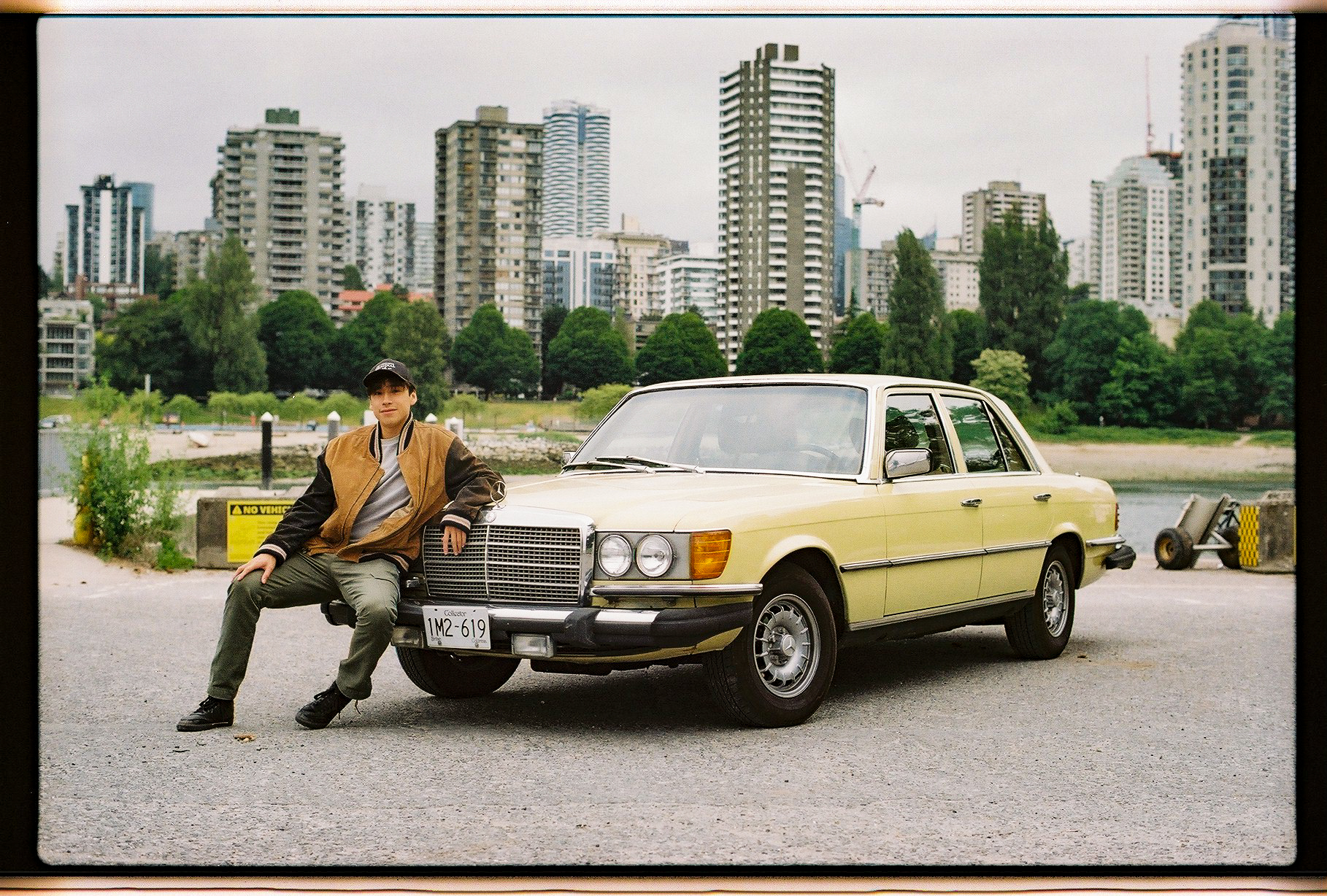
Josh’s first experience with this Mercedes 300SD was when Helen Poon picked him up at the airport after a vacation. Up until this point, he had never been in a car like this. It was something new, something special.
Helen was Josh’s first introduction to the car world, helping him with his first Volvo, and educating him on what to look out for. As a kid, this 300SD was frequently seen throughout his childhood, as Helen owned the building where he and his mom lived. Josh would see all types of cars in the underground parkade, but the yellow just stood out to him. Going to school, coming home from work, he would hear that diesel engine fire up and see a shiny Benz pull out. It always occupied a portion of his mind. Unfortunately, Helen passed away, and a few months later, her mom contacted Josh about the Mercedes. A more suitable owner could not have been chosen to keep Helen’s spirit alive.
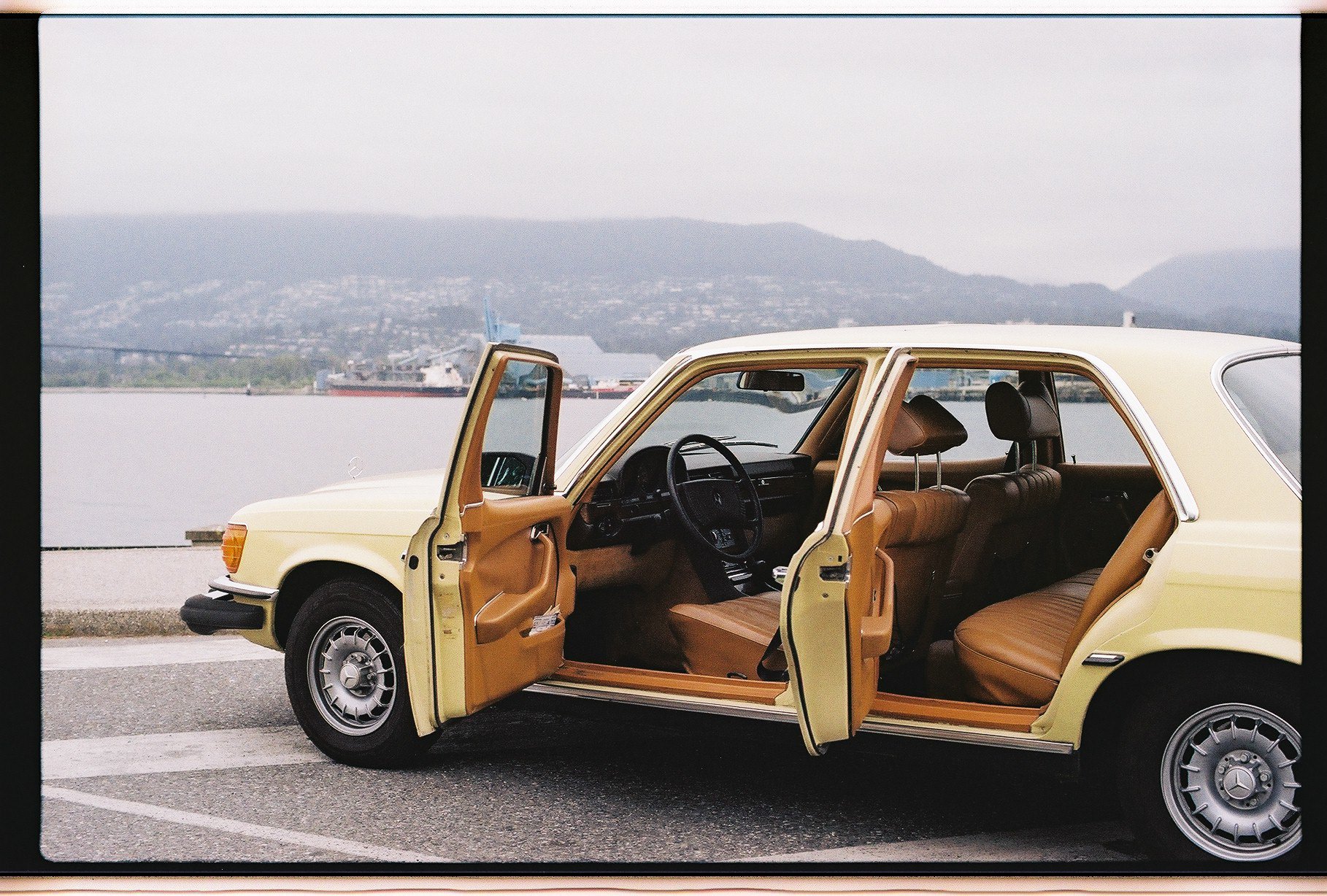
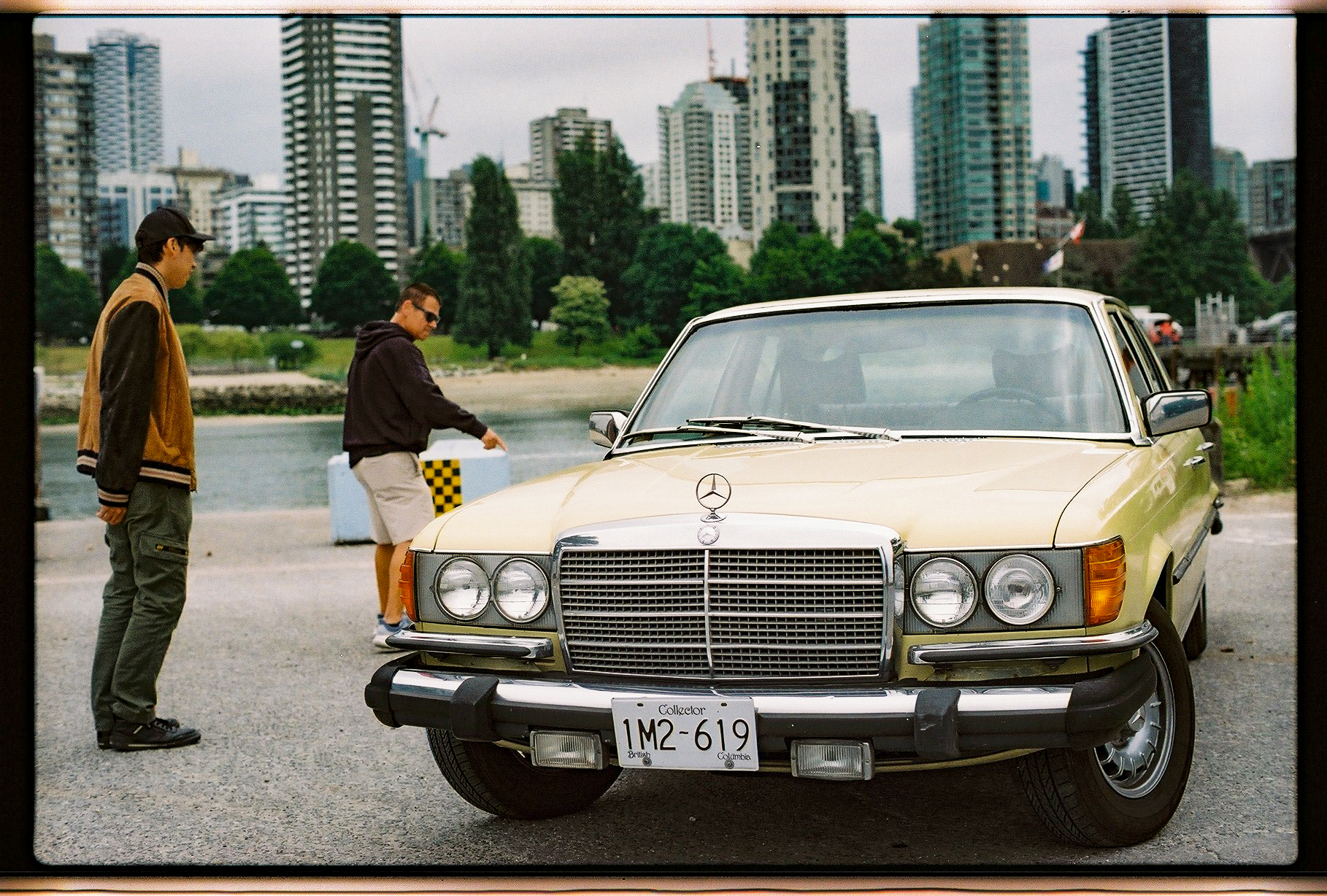
Josh acquired this 1979 W116 300SD Turbo Diesel in March of 2024. Powered by a 3.0L straight-five OM617 diesel engine, this model is the first production turbo-diesel passenger car offered to the U.S. market and was only sold in the States and Canada. One aspect that makes Josh’s Mercedes out of the ordinary is the Maple Yellow paint. Being one of the more standout period colours, it’s a treat to see something so vibrant on a car that has more subdued driving characteristics.
Josh loves the handling. It’s a cruising car: not that loud, the seats are soft, and if you relax, it will put you to sleep if you’re not careful. One thing that keeps Josh awake, however, are the vacuum lines, as they are prone to leaks and locating the leak can quickly turn into a puzzle.
Out of all of Josh’s cars, his Mercedes 300SD is the one that he wants to drive the most. He likes its presence on the road, how the engine pulls, and its sense of security. It doesn’t ask you to go faster but rather to enjoy the drive and take it slow. The first drive surprises you; it’s like you have already driven one before.
Taking him throughout most of Vancouver Island, one particular trip stands out. Still under Helen’s name, Josh found himself driving to Tofino as a way to introduce himself to this 300SD. Going 5 km/h over the speed limit, a cop pulled him over saying that the plates read “uninsured.” Josh knew this wasn’t the case and tried to explain the situation to no avail. It was towed, leaving Josh and his girlfriend stranded for half a day at the information centre. A good friend, Tom, spoke to the officer over the phone, prompting the officer to call ICBC — and, truth be told, it was insured. Towing and storage fees were paid by the RCMP.
Josh puts around 15,000 km yearly on his classic Mercedes and has accumulated a total of 237,000 km on the clock. With some rust in the wheel well, he will use it as an opportunity to learn bodywork and welding. Some wooden trim is also cracked, and he would like it refinished. Keeping everything original remains a priority as it is collector-plated.
Josh loves that his car brings people together and people to him. Stories of people learning to drive for the first time in a similar vehicle, or of their grandparents owning a classic Mercedes are always appreciated.
When asked to describe his classic Mercedes 300SD as an animal, Josh opted for a turtle: “They are strong, have a tough shell, the durability is nice, and they live for a very long time. It may be slow, but there is no doubt of getting to your destination.”
06/06/25: Tom and Barbara's Lotus Seven Clone
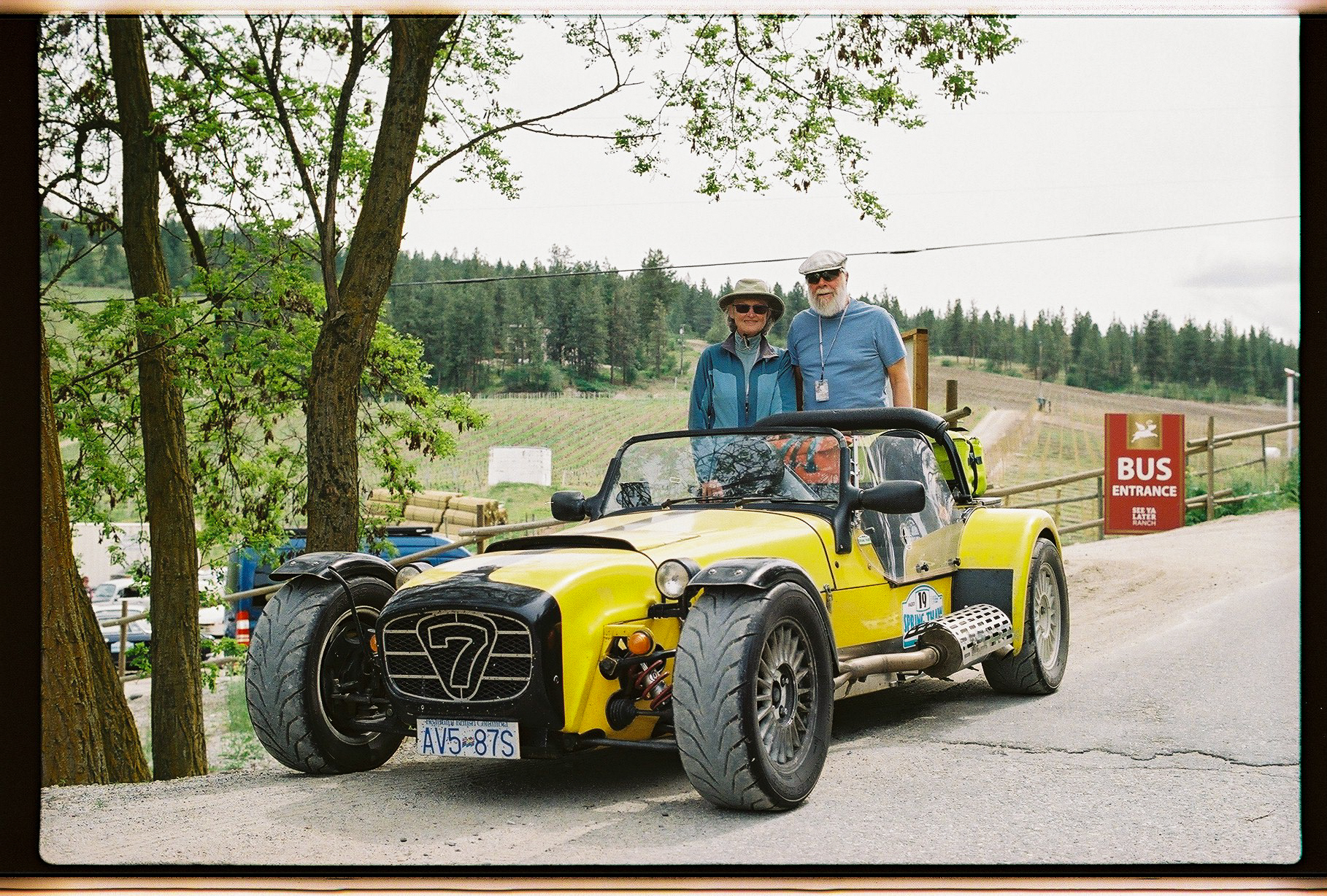
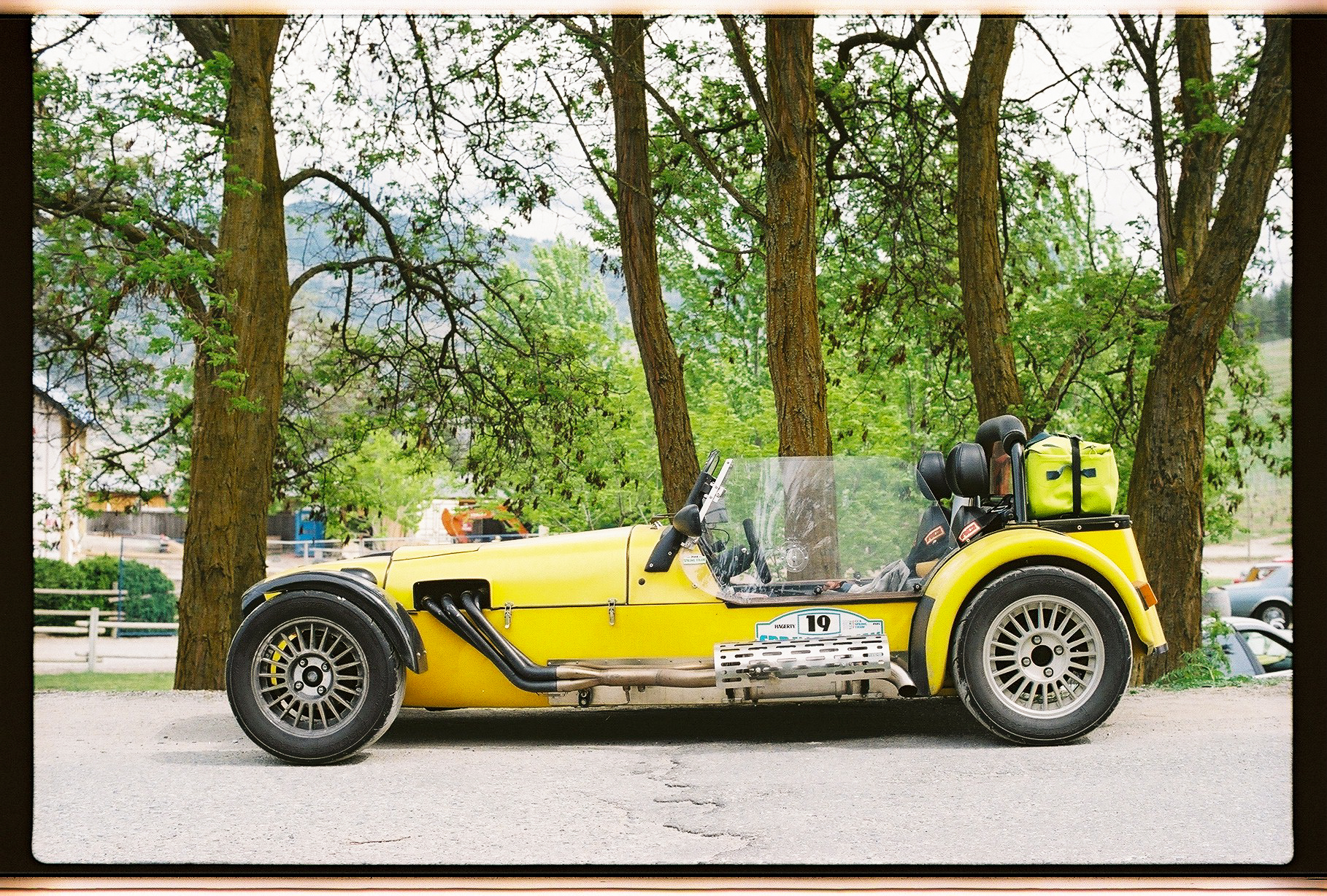
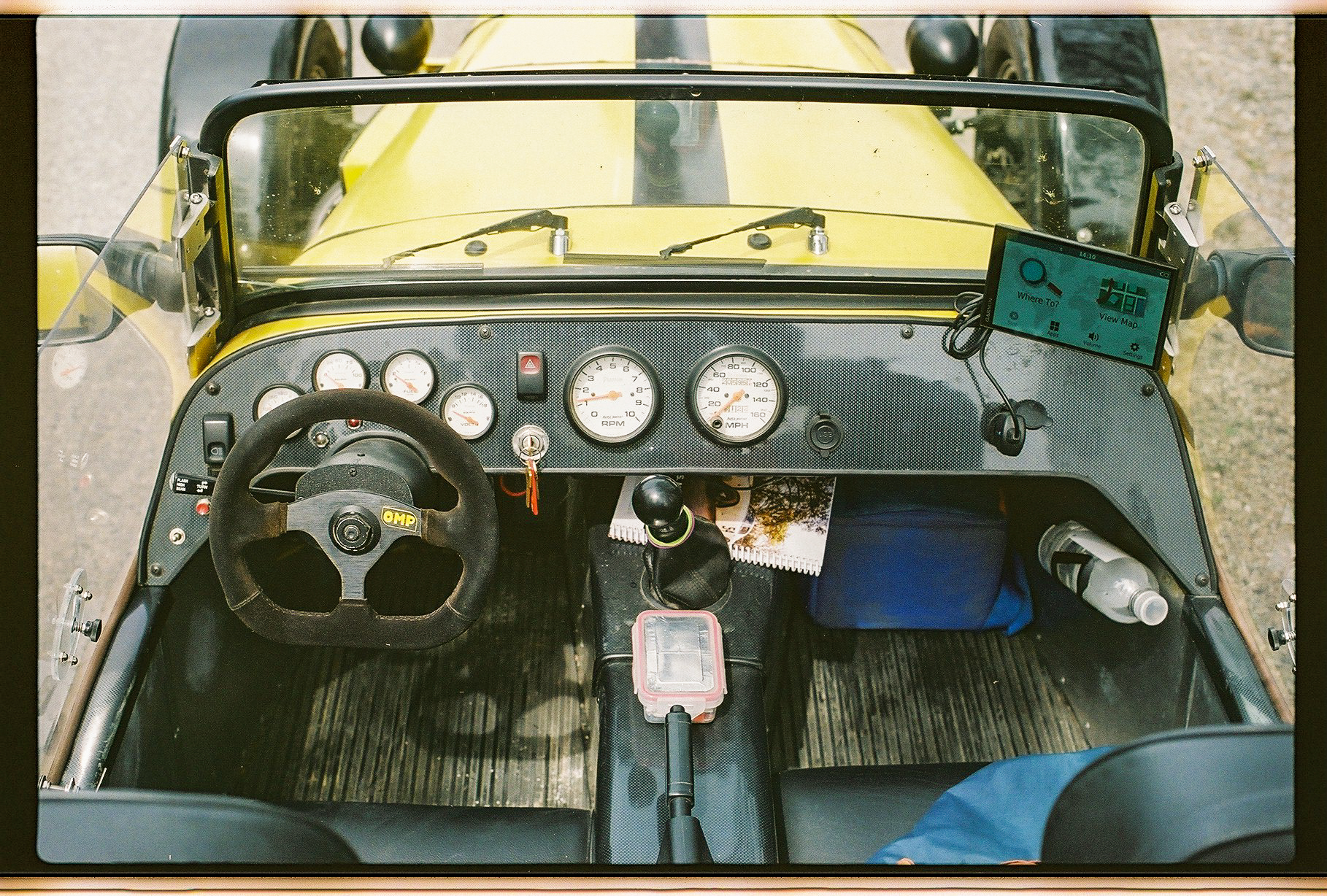
Make: Lotus
Model: Seven
Year: 1960'ish
Tom’s fascination with Lotus Sevens started back in the early ’70s while working in Ottawa. At the time, a friend was dabbling in some racing and was running three Lotus Sevens at Circuit Mont-Tremblant. With a fresh sponsorship to Formula Atlantic, Tom was going to acquire all three from his friend; however, a quick move to Vancouver occurred and the Sevens stayed. Ever since that encounter, he has been on the lookout, and when turning 40, his kids even gifted him a Lotus badge.
Spotting a yellow Seven on AutoTrader, Tom was intrigued. Part of an estate sale, it was in rough shape, coupled with a steep asking price, he walked away—but a couple of weeks later his phone rang and was asked to pick it up.
This Lotus Seven clone was built by Michel Coyle, a Brit who made two examples when he wasn’t selling high-end dental products to fund his automotive hobby. Starting off with a friend’s Seven all pulled apart, he took the measurements and ended up building two cars. With the build starting from scratch, it came with an engineering certification and is registered with a 2004 U-Built title. Tom says that the beauty is that anything can be done without upsetting purists, and he gets to drive it free from worry.
Powered by a rebuilt Toyota 1600 twin-cam out of an ’89 MR2 (in stock form they have around 120hp), this Seven feels like “a bat out of hell no matter how fast you are driving.” There’s no power steering or power brakes, giving the car incredible road feel and making any twisty road fun—even at “almost legal” speeds.
Everything Tom disliked about the car, he has fixed, with one of the more tedious tasks being the addition of windshield wipers. Other than that, it’s not too pleasant sitting in traffic with the blazing sun or driving in the pouring rain.
Tom and Barbara have been on two Spring Thaws in the Seven, up to D’Arcy fairly frequently, around the island to Gold River, and more. As of now, the two have done 22,000 miles, as its early years were mostly spent in the shop. It’ll never be perfect, but aside from routine maintenance, one tricky part are the front brake rotors — sourced from either a Hyundai Pony or an English Ford Escort. Since Ford licensed some Escort parts to Hyundai, tracking down replacements has proven to be a real challenge.
One thing Tom mentioned was that “if you are going to get into something like this, make sure it’s fun for both parties—make sure your spouse enjoys it too. Lots of friends in the Lotus club only go motoring by themselves, but this isn't my idea of a good time. She was never a car person, just has a great time and is a wonderful navigator. Our system has been developed.”
05/23/25: Jib's 575 Maranello
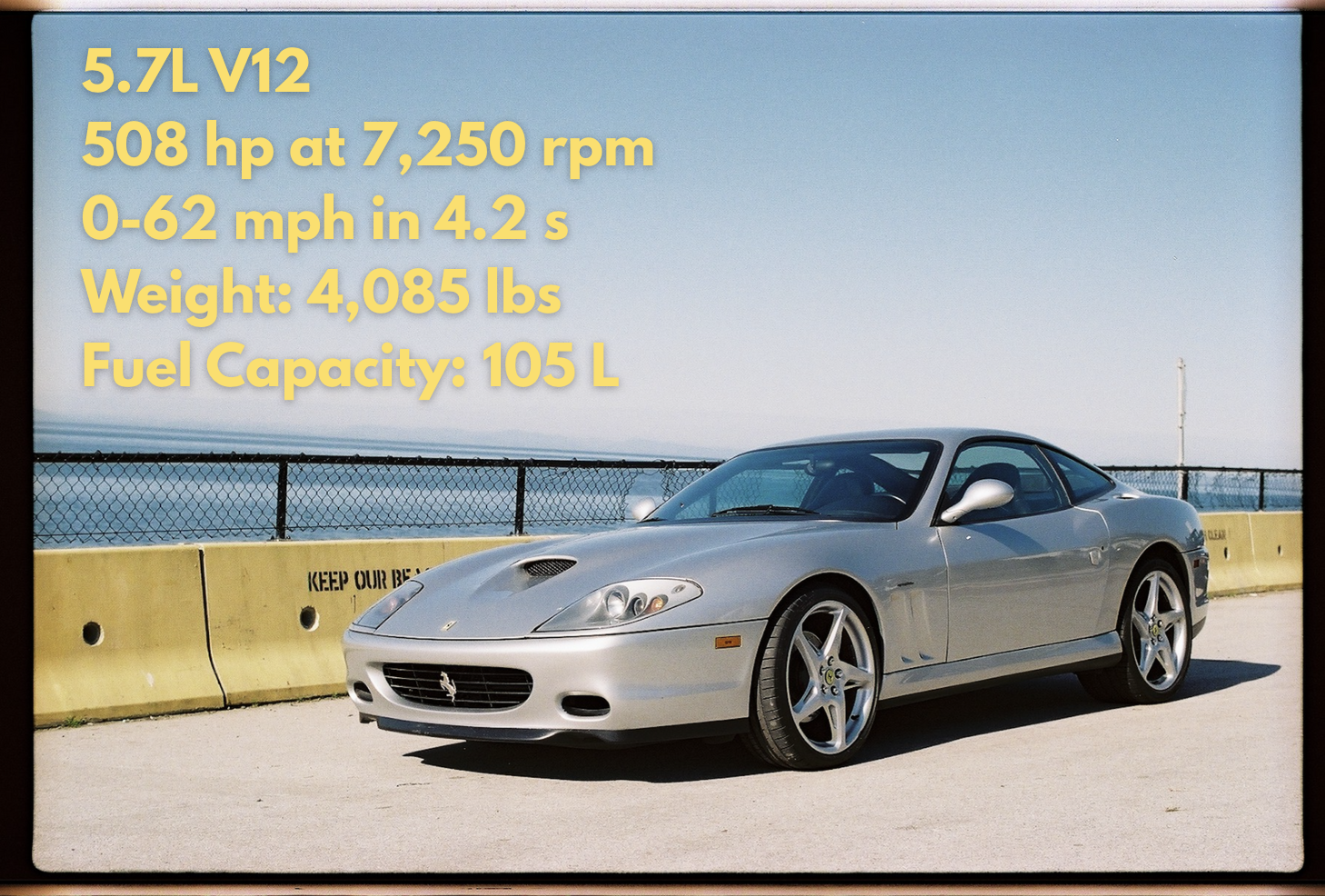
Make: Ferrari
Model: 575M Maranello
Year: 2003
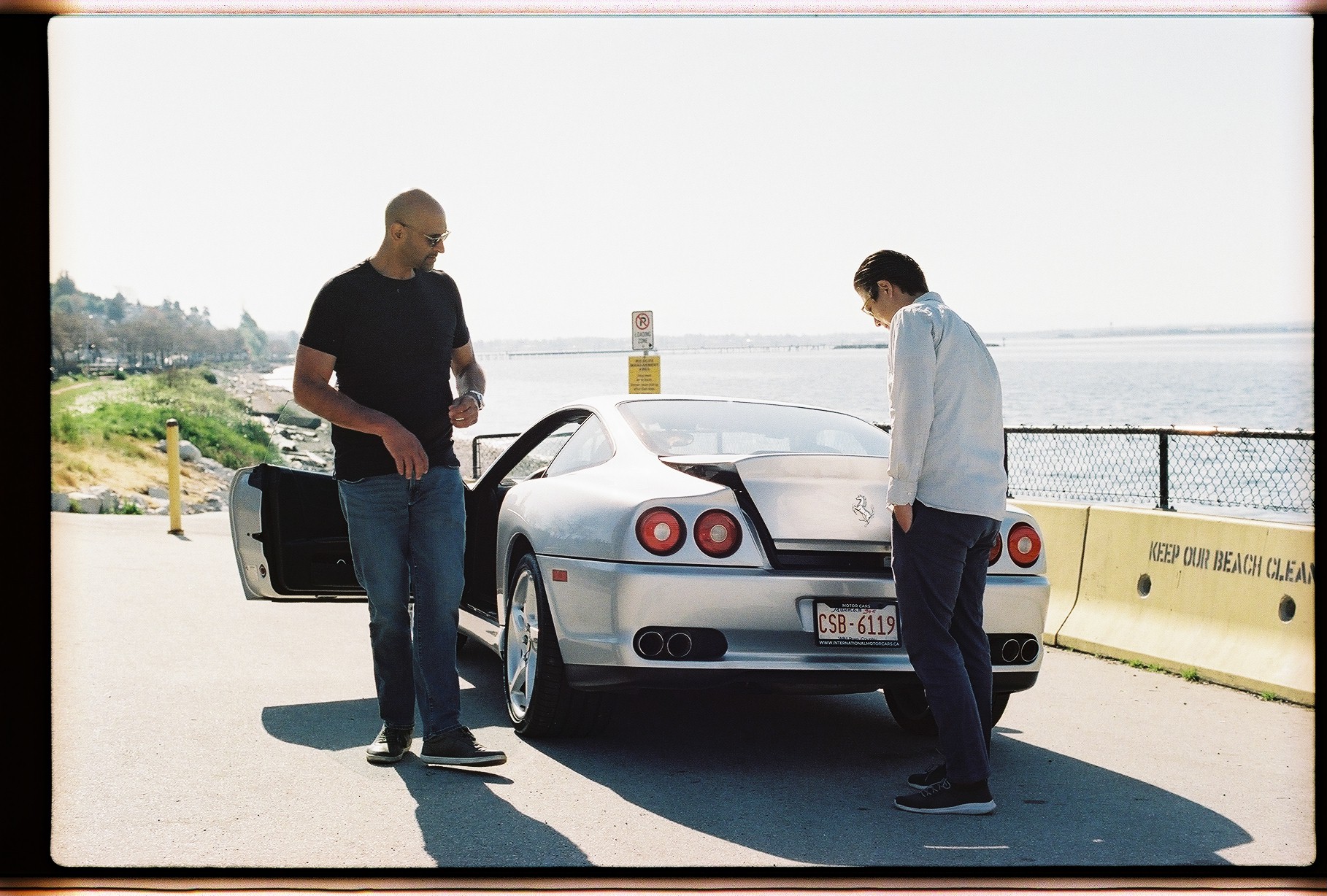
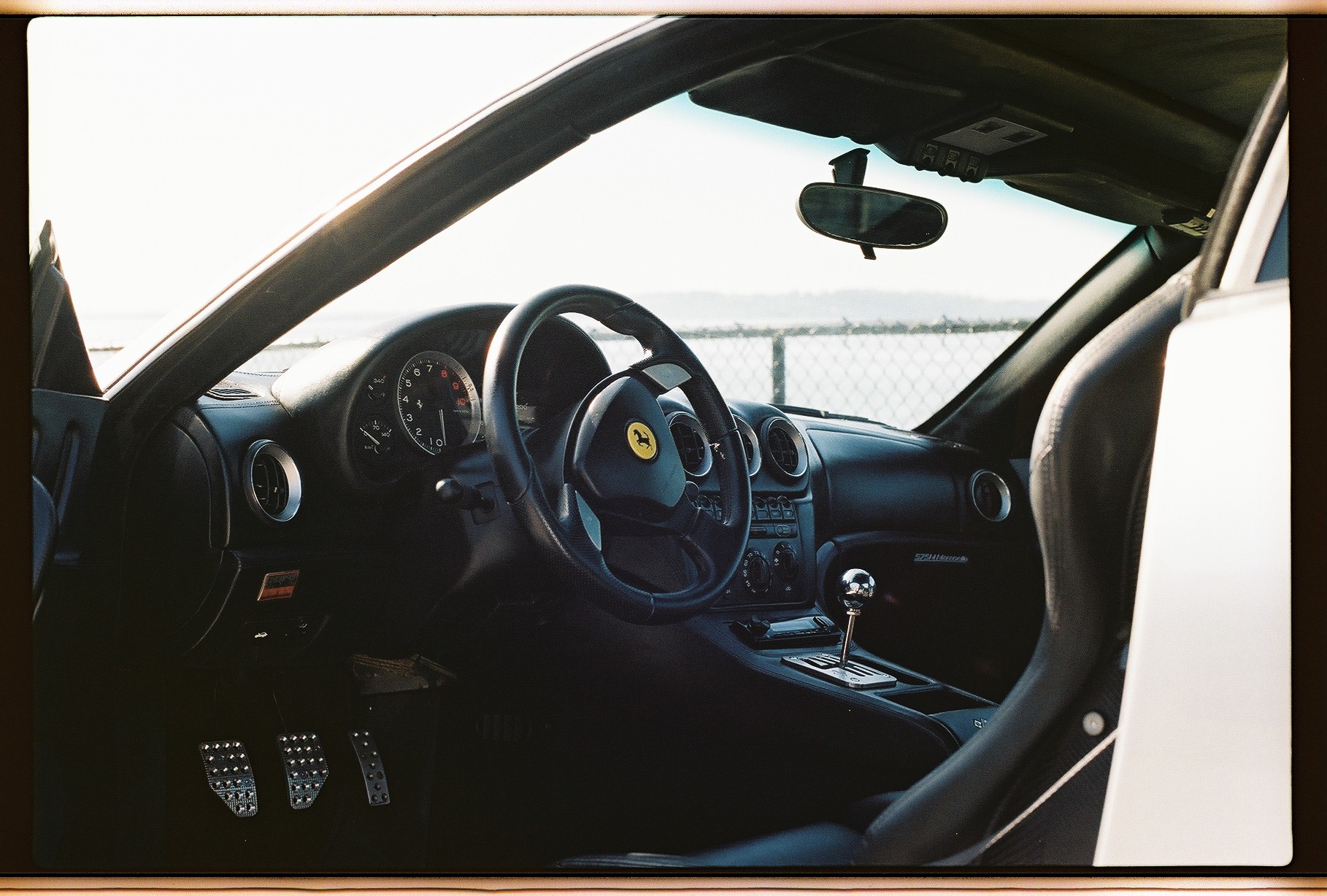
Jib’s story with his Ferrari 575 Maranello goes back two years to when he was scrolling through AutoTrader. After much research and soul-searching, assuming it wouldn't work out, the owner accepted his offer—and he has owned several since. Having a few 550s in the past, Jib was curious about the V12 in the 575 but was deterred due to the F1 semi-automatic transmission. Finding this example at a reasonable price, he vowed to convert this Ferrari to the proper manual that Enzo would have preferred.
The 575 rides in the old grand touring style—there is body roll in the corners, and power builds progressively. With 508 hp, the V12 produces far more torque than the V8 variant, and a Superamerica tune should add 10–20 more. Power delivery is smooth and can be favourably compared to the next generation of Enzo-derived V12s, which have a more frenetic character.
2,200 575 Maranellos were produced, making you five times more likely to see any V8 Ferrari. Jib appreciates the more subdued appearance as well, suiting a semi-daily driver application without turning too many heads. The shape is timeless and evocative of the 365 Berlinetta, accompanied by usability never present in any prior V12 Ferrari. Those who know, know—and a cursory glance may suggest something along the lines of a silver Corvette.
First seeing this shape in a car magazine in 1996, Jib quickly felt that it was one of the most beautiful cars he had ever seen: the long hood, short deck lid, and absence of any aero. Being attracted to big-bodied GT cars, his first car was a 1988 Ford Thunderbird Turbo Coupe with surprisingly similar proportions. Despite this, he never had plans or a desire to buy a 575—he just appreciated it for the vehicle that it was.
Besides the main event—the gated manual transmission—other modifications include an aftermarket stereo system and carbon bucket seats, which free up two inches of legroom and save 100 lbs. Aftermarket coilovers and Fiamenghi 6-1 headers could be welcomed additions in the future but Jib’s main objective is to enjoy this 575 Maranello in GT comfort and continue to drive it with semi-daily status
05/09/25: Pally's 911T
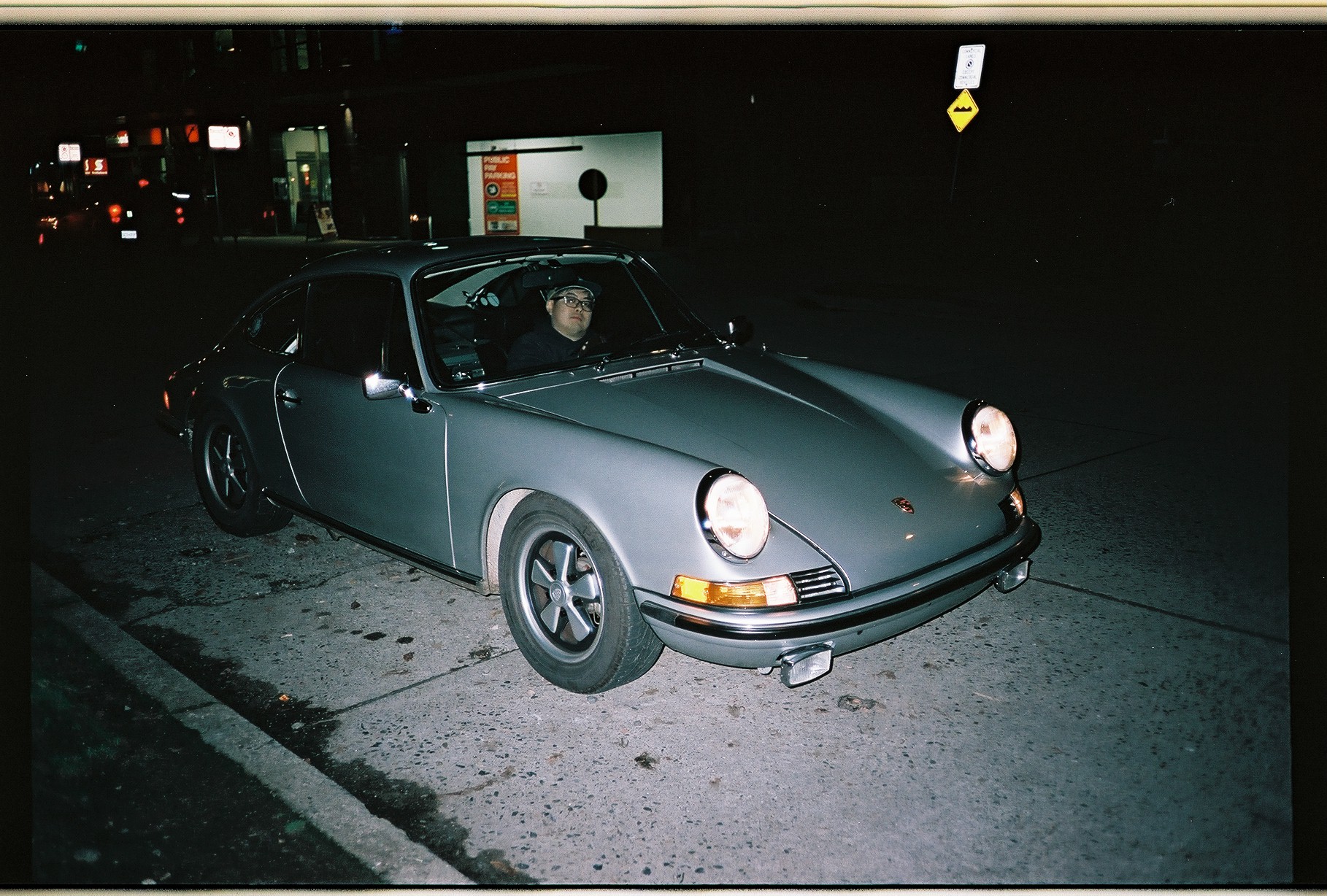
Make: Porsche
Model: 911T
Year: 1973
Pally’s Porsche story starts with him looking for a 1974 to early '80s 911 SC. At the time, the G-model 911 stood out to him as what Porsches should look like — the accordion bumpers didn’t look unattractive to him; they looked classic. In his search for an SC, he came across someone online asking above market value for a 3.0 with mediocre mileage, so he passed — and the search continued.
In the meantime, Pally took time to experience other cars, learn more about the brand, and discover what he really wanted: an early 911.
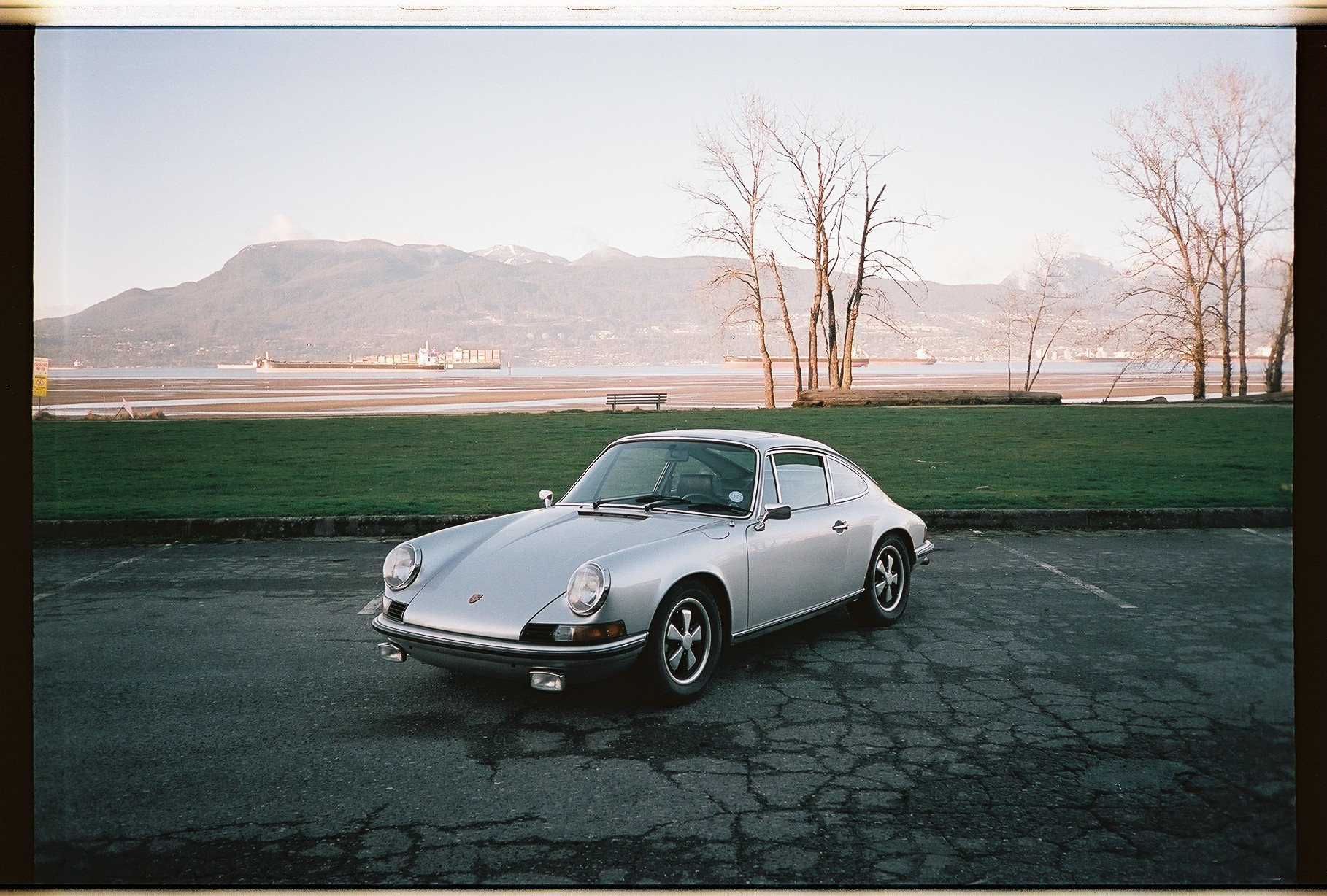
Purchased at the end of 2021, this 1973 911T was bought completely sight unseen off eBay from Florida. Once Pally got hold of it and brought it home to California, he discovered it had originally been in Rhode Island — where Pally went to school — which made him feel like he was destined to own it.
One day, while driving to Palm Springs, Pally noticed he was losing power in 5th gear. The alternator light came on even though the belt was fine, so he brought the car into the shop. It turned out the engine had low compression, leading to a full rebuild that kept the car in the shop for the next year. The culprit? The previous owner had used aftermarket performance parts that ironically had the opposite effect.
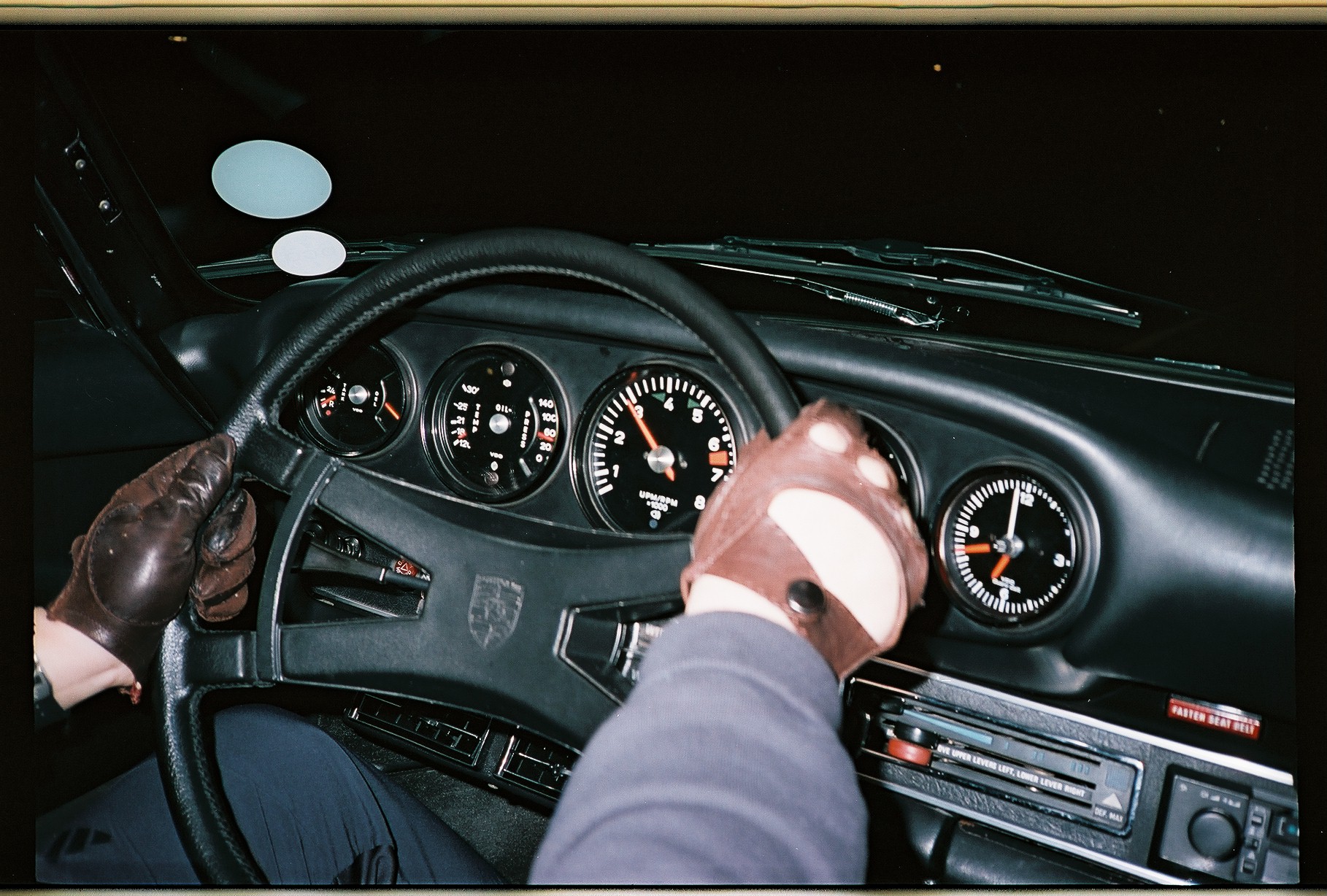
Originally a CIS car (Porsche’s first iteration of fuel injection), Pally’s 911T has since been upgraded to carburetors, along with Recaro sport seats, 911S trim, 911S suspension, and 911S brakes.
Growing up, Pally never wanted this car — or a car at all, for that matter. He was into vintage World War II fighter planes and thought Porsches looked like frogs. Years later, in an automotive drawing class, he accidentally sketched a Porsche, sparking a spiral that led him deep into the history of the 911.
Pally wanted a car that spoke to who he was — nothing flashy, just authentic and true to its roots. A big believer in motorsport, he was also drawn to how Porsche is one of the only carmakers to merge its production and racing departments. Now, with a 911 of his own, he still thinks they look like frogs — but frogs with a rich racing history on the world stage.
Splitting his time between living in Vancouver and California, Pally drives his 911T on road trips to San Francisco, Orange County, the grocery store, Rennsport Reunion — and plans to take it even further shortly. He loves everything about his car. It’s pure, reliable for a classic, and can get up and go. When asked what he dislikes, he said: “I feel like for all classic car owners, we run into a problem where we love our cars so much that it’s hard to dislike them. All the time fixing them isn’t a reason to dislike them — the problems are a symptom of old age, and that’s accepted.”
When asked what’s next, he’s thinking about buying an Alfa GT Junior or a BMW 2800CS to see what other vintage experiences have to offer.
When Pally isn’t driving, he works as a professional designer creating concept art and virtual worlds and has done work for the popular video game Call of Duty. As a designer, he sees a clear overlap with the Porsche 911 — historically, people in both the arts and sciences have been drawn to it for its design. His favourite designer, Dieter Rams, known for his work at Braun, is most often seen in a silver 911 — a car with functional design and mechanical honesty. Pally also admires how Butzi Porsche, the first member of the Porsche family with a formal design degree rather than an engineering background, shaped the 911 into what it is today. Butzi later went on to design the Porsche 904 as well.
When asked to describe his classic Porsche as an animal, Pally compared it to a German Shepherd: “It follows the driver’s orders, is responsive and well-trained, and is something you can take out on any day — no matter the weather.”
04/25/25: Darren's E28 M5
Make: BMW
Model: M5
Year: 1988
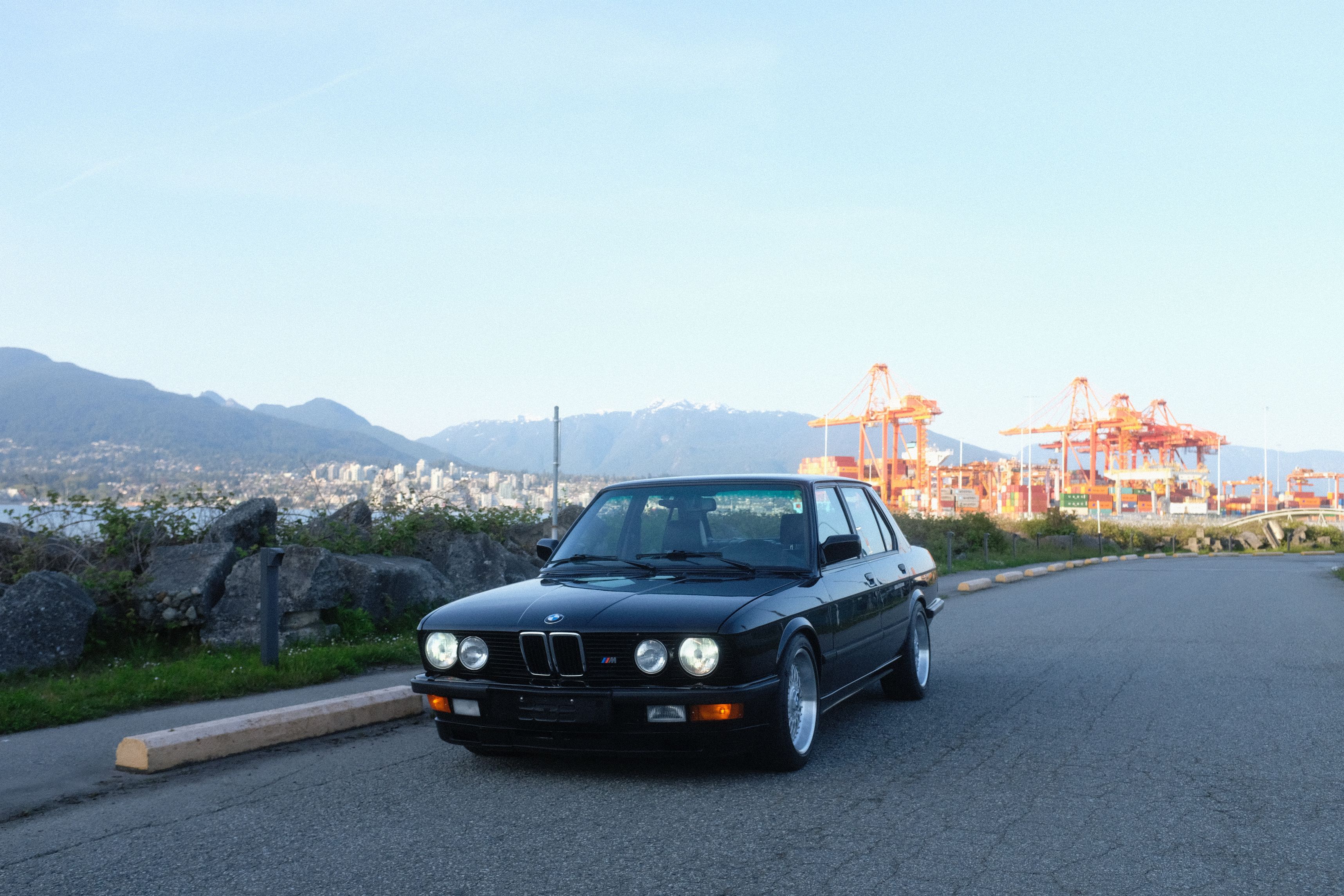
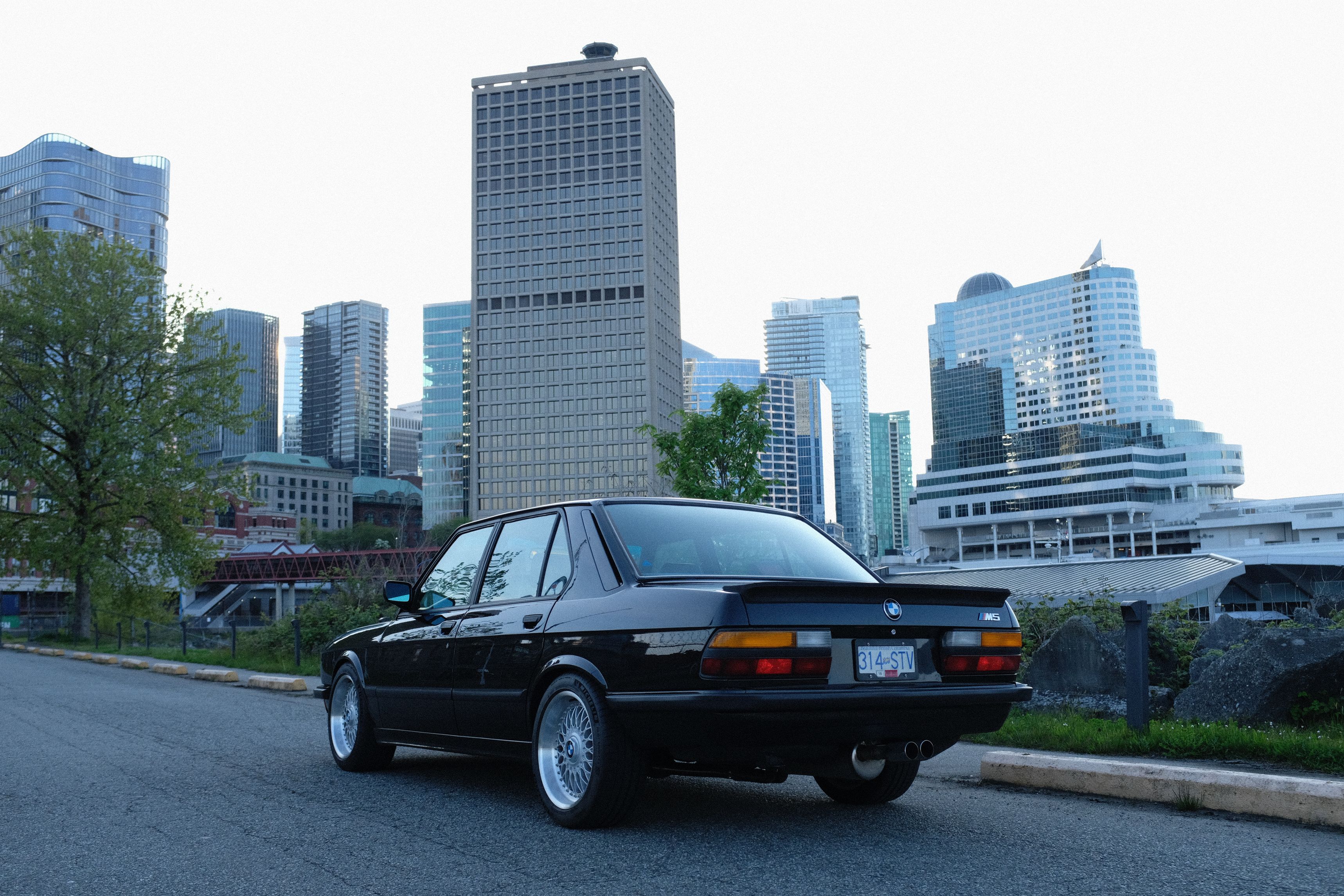
Darren’s ownership of his E28 M5 was prompted by his wife mentioning that it was time to buy a four-door sedan for the family. To him, the M5 was the obvious choice, as it had been on his radar ever since seeing it at Otto's BMW in Ottawa at the age of 15. This specific example was found online after searching for about two years and was owned by a BMW mechanic in Victoria; Darren believes that he is the third owner.
Acquired in 2005, this classic BMW has been with him and his family for 20 years so far, and there are no plans for its departure. From being his daily driver for some select years throughout ownership, this M5 has been all over Western Canada but now prefers to frequent Spanish Banks. He hasn't done a rally with it yet, but it is on the list.
Darren loves having race-derived performance in the package of a four-door sedan. With the E28 being the first 5 Series with an “M” variant, it's the first of its kind, blending the comfort of a luxury sedan with the performance of a race-bred sports car. Utilizing the S38 engine, a detuned version of the inline-six found in the BMW M1, plenty of torque can be found down low, making it suitable for high-speed cruising. Only adding to the legend, every E28 M5 was hand-assembled, and 2,241 were built worldwide. This example is one of 1,340 North American models.
Meant to look stock, some modifications include lowering springs, Bilstein struts and shocks, Wilwood brakes, a Supersprint exhaust, Euro bumpers, a short shift kit, a race clutch, and a lightened flywheel.
Darren describes his M5 as a “wolf in sheep’s clothing.”
04/11/25: Rob's Austin Mini
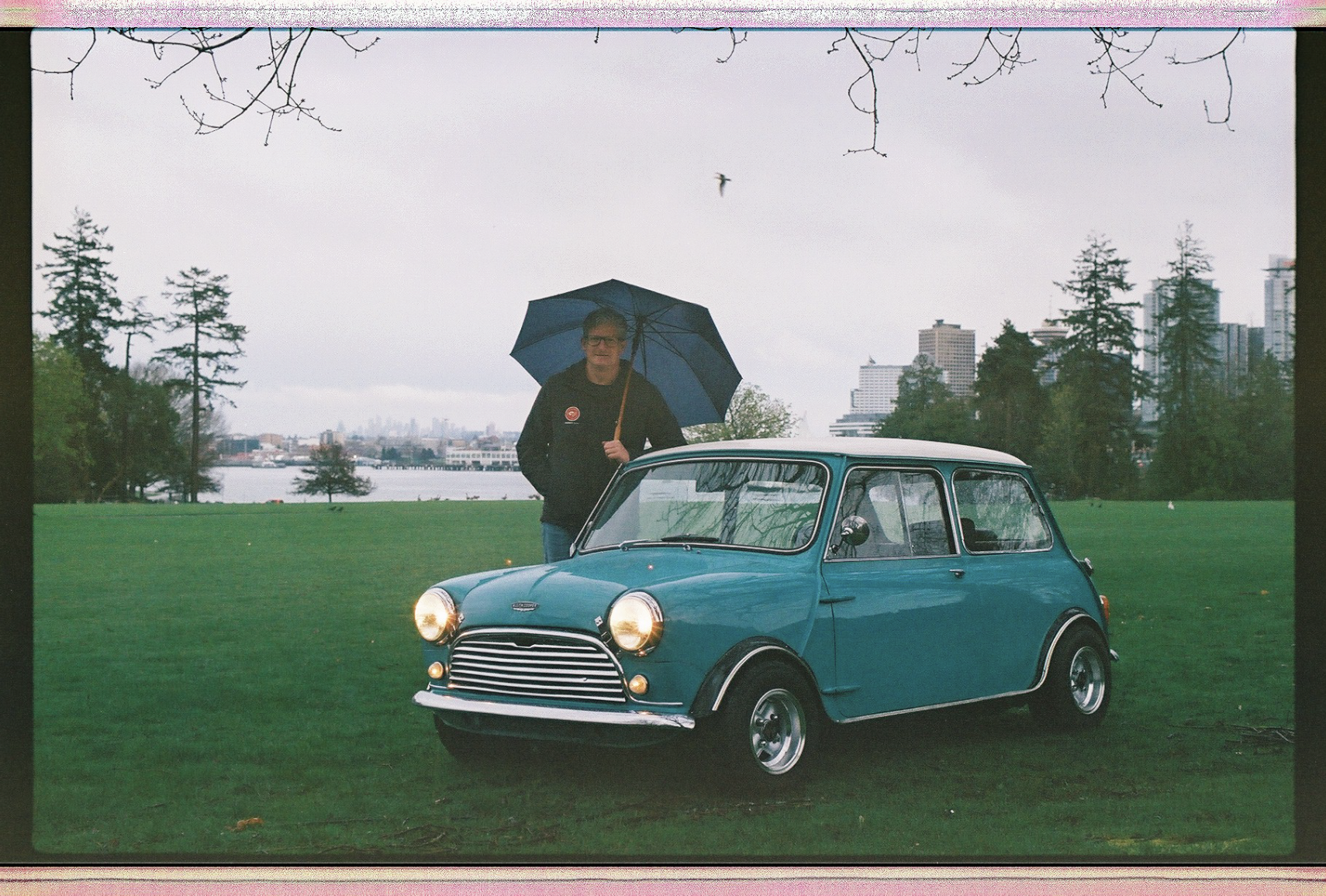
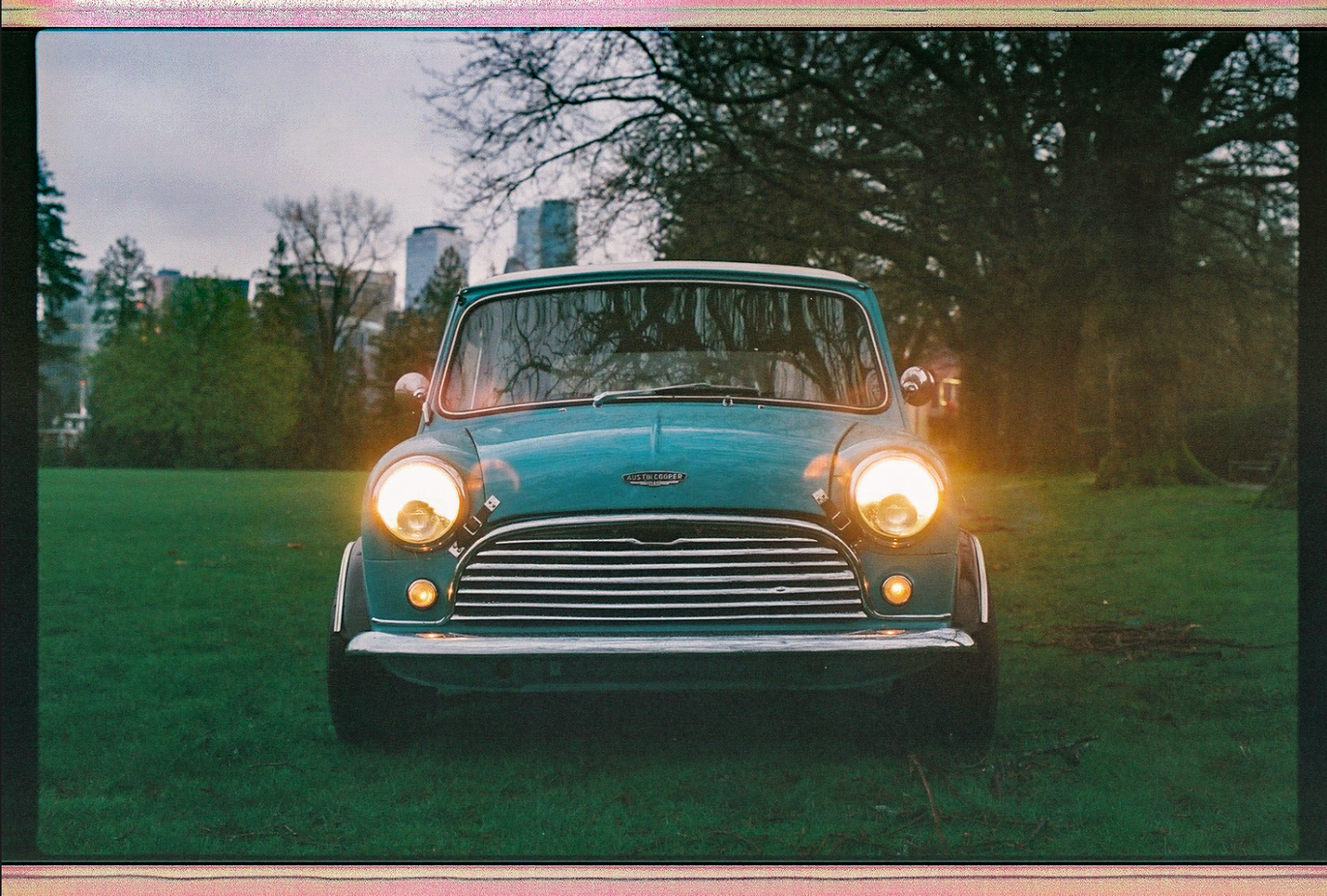
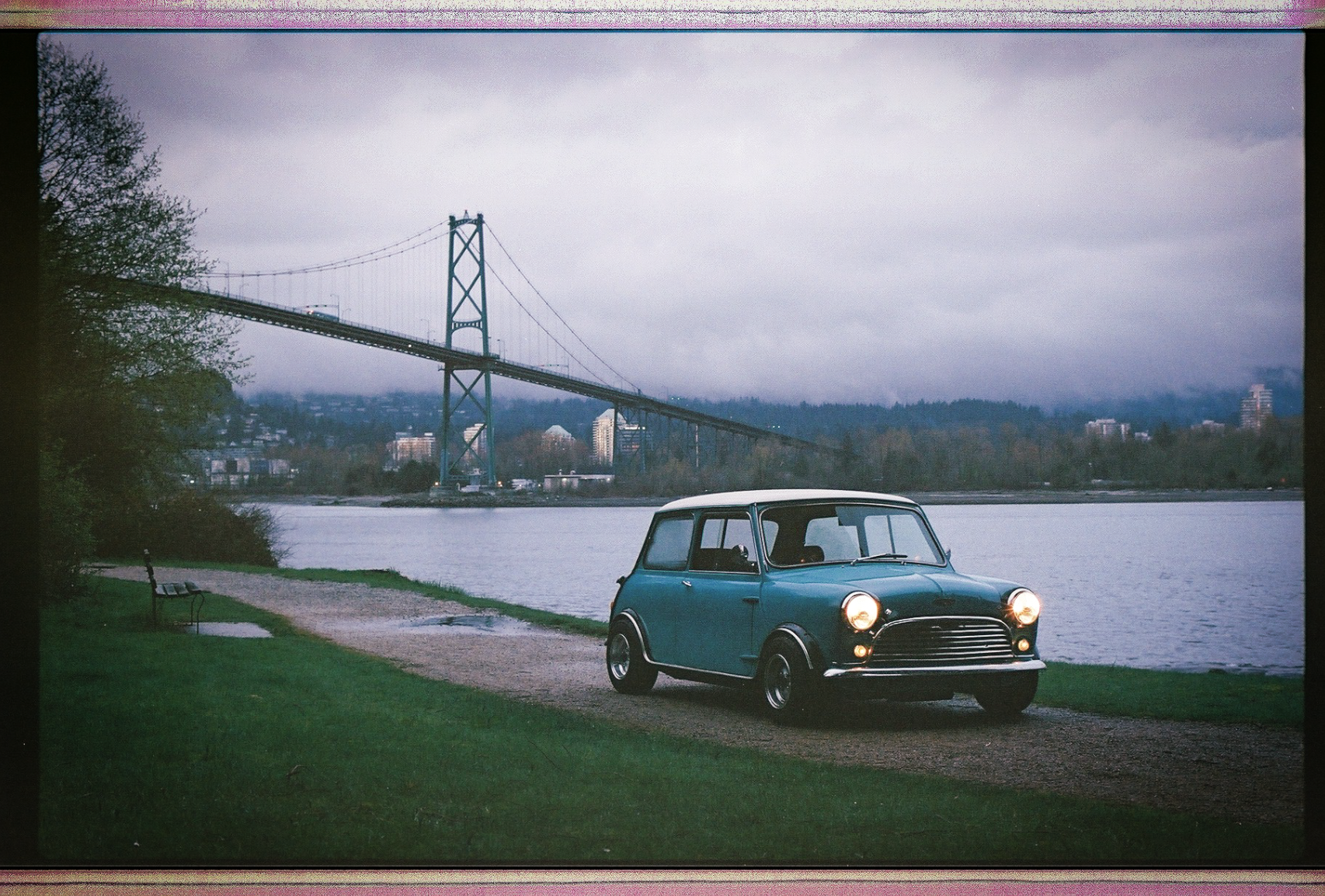
Make: Austin
Model: Mini
Year: 1962
Rob’s Mini story starts with him on the lookout for a solid bodyshell for his Mk2 Cooper S. Catching wind of a club member moving all of his Minis to the Interior, this one was left behind—so Rob mailed a cheque for $300, and the seller mailed the registration in return. Without ever meeting the fellow, and without keys, he fired it up and drove it home (even with two burnt exhaust valves). After getting this Mk1 Mini up to speed, he couldn't allow himself to cut it up into a Mk2, so this Austin Mini has remained intact for the past 37 years he has owned it.
Personally referred to as a “Cooper-ish,” as almost all of his Mk2 Cooper S parts ended up on it, this tiny vehicle never fails to put a smile on Rob’s face—and most passengers leave saying, “I want one of these!” Described by a writer years ago as “more fun than wrestling a bear in a phone booth,” Rob likes how these class-less yet fun cars are welcomed with smiles wherever they roll up. From going to illegal street races in his earlier days to showing up at Pebble Beach, it has only ever elicited a positive response. Rob doesn't quite know what sparked his liking for Minis—there was just something about them that he gravitated towards. This was further solidified when he got a ride in a quick one when he was 16.
When asked where it has taken him, the question should have been—where hasn’t it! Prior to becoming a dad, Rob and his Mini have been to every western state as far south as New Mexico, and have done over 10 trips to California. He even temporarily installed a cage and entered it into the Maryhill Loops Hillclimb—and when signing in, was asked where the transport truck was (he drove it to the event and back, of course). On top of that, it has done 10 years of Classic Car Adventure Spring Thaws, track days, and countless autocross wins. He wouldn’t hesitate to drive it down to California tomorrow.
On the daily, Rob works on the mechanical side of restoring 1930s–’50s European cars for RX Autoworks, specializing in Pebble Beach concours-level vehicles. This holds him back from putting on big miles like he used to, so a good year will be 10–15k km, but recently under a thousand. Over the years, this mini has been through many iterations in an effort to keep his cars personalized—counter to the perfect show cars that he finds himself around frequently.
When asked to describe his 1962 Austin Mini as an animal, Rob picked a dachshund. “Small, cheeky, kinda loud, surprisingly quick, and a terror when pissed off.”
03/28/25: Owen's Morgan 4/4 2-Seater
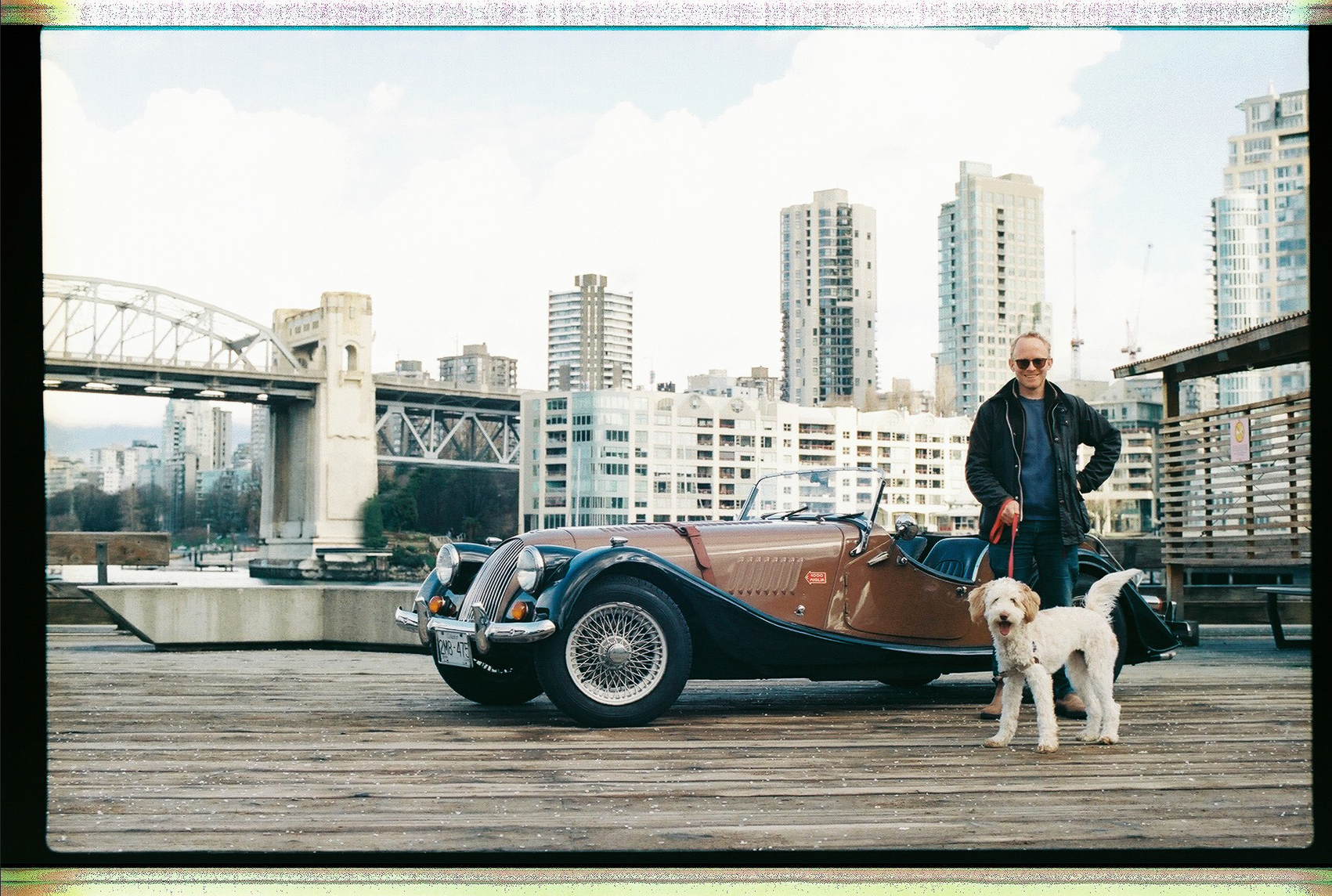
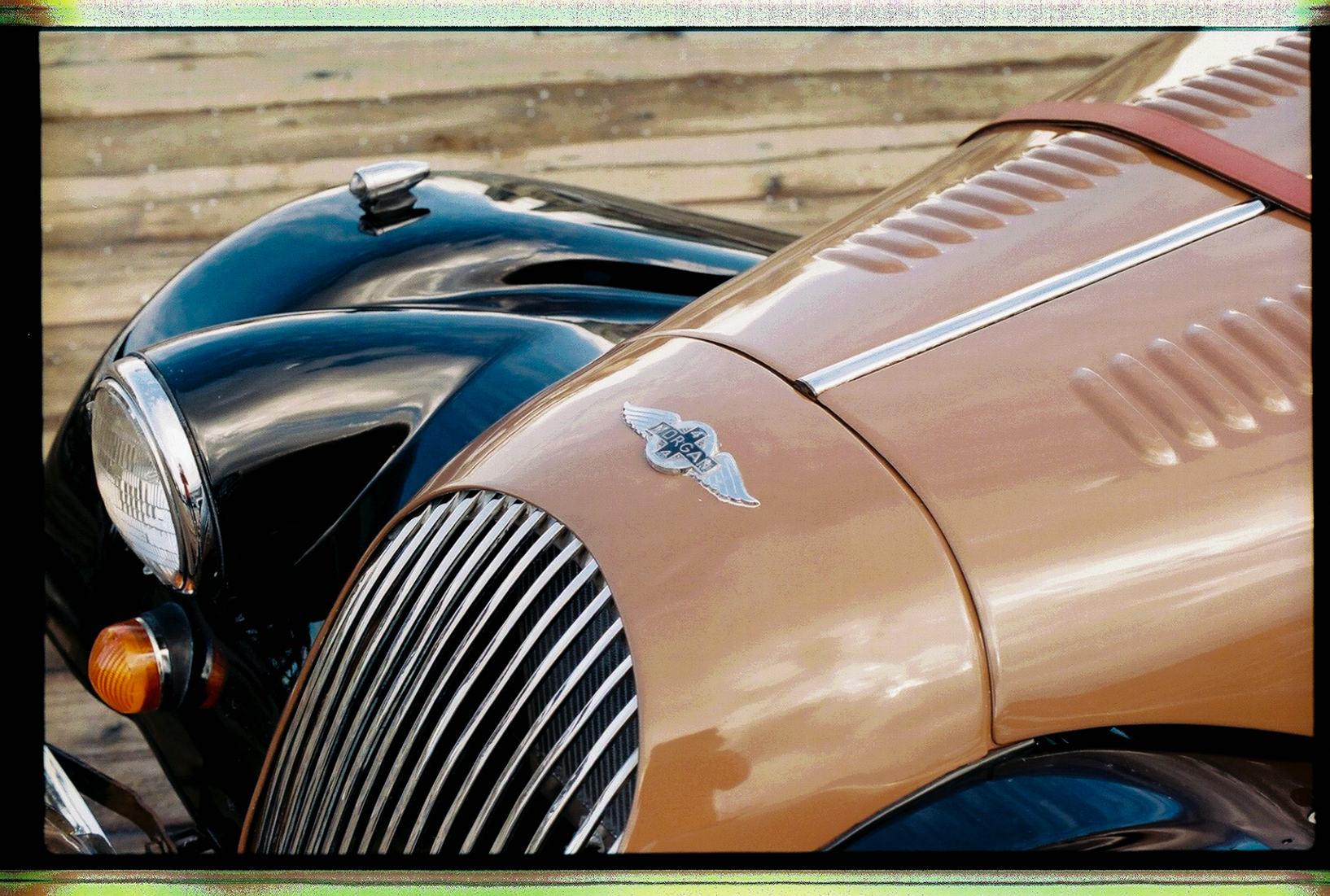
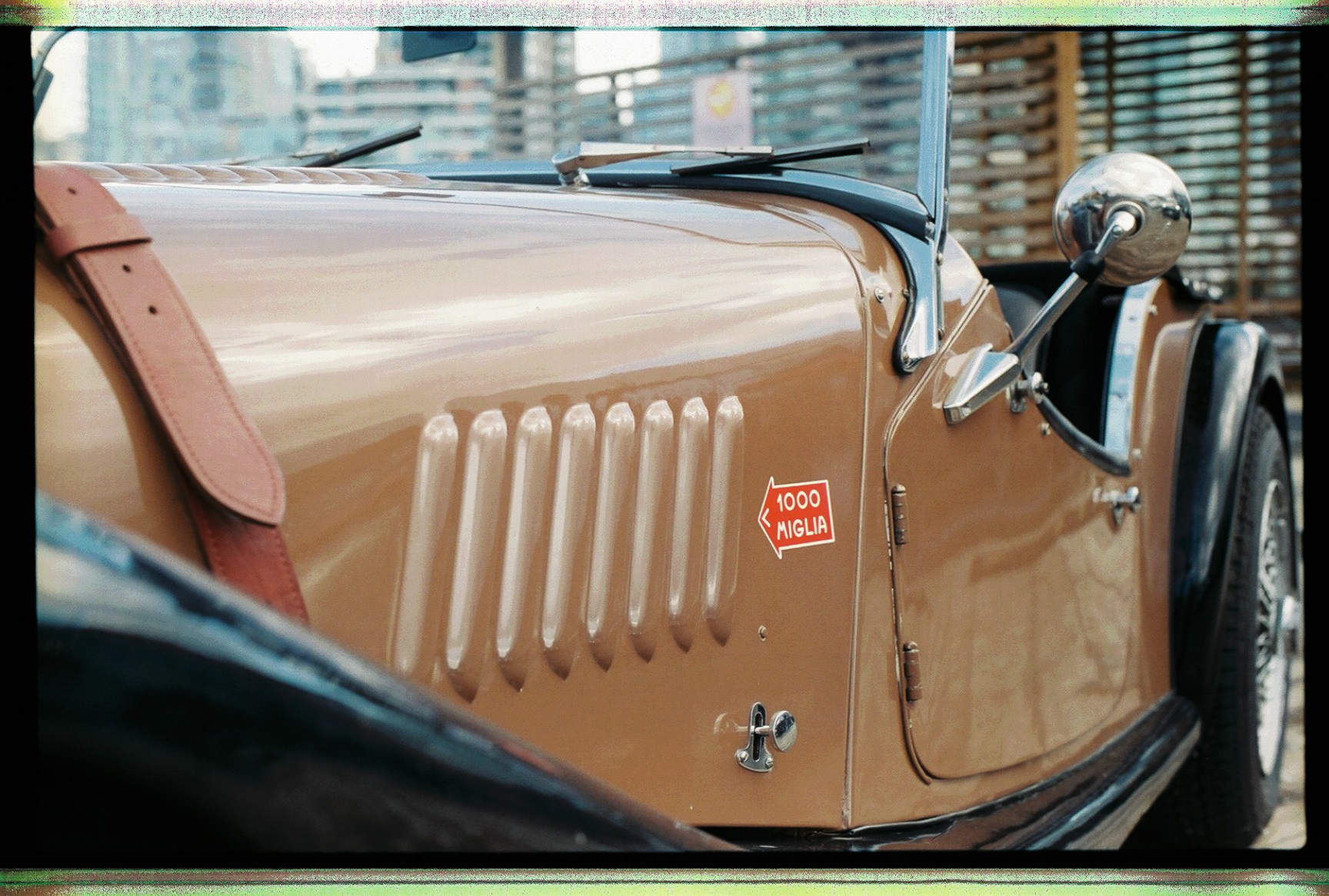
Make: Morgan
Model: 4/4 2-Seater
Year: 1970
1983 marks the year when Owen’s uncle placed an order to the Morgan factory in Malvern, England. Due to the period of long wait times, the vehicle was delivered in 1991 and stayed in the family for a couple of years — an impression may have been made. After an agonizing search for a Morgan of his own, this particular one came along and was purchased off a 96-year-old gentleman from Facebook Marketplace.
Allegedly the last Morgan supplied new in Vancouver by racing driver and Morgan dealer George Sterne, this 4/4 two-seater took the place of Owen’s Porsche 911 — and he considers it a much-welcomed replacement. Fitted with a 1600cc Ford Kent Crossflow engine, which can also be found in the Cortina GT, and weighing 1,900 pounds, it's a spunky car to drive. Despite Morgan's archaic manufacturing techniques in suspension and ash-framed bodies, they still manage to insert the latest engines into these beasts — which means ample spares and an acceptable level of reliability.
Owen took the previous owner’s total sum of 600 km in ownership as a challenge and added over 2,400 km in his first week of owning it. From taking second in class at the Seattle British Car Show to an island trip for the European Cars and Coffee, he uses any event as an excuse to venture off with his Morgan. Only after these adventures did Owen realize that he was on 30-year-old rock-hard tires, so a set of Michelin XZXs are on their way from the UK and should make his trip to the North Cascades Highway in Washington more confidence-inspiring.
In excellent condition, having been well looked after its whole life, Owen addressed some maintenance tasks including timing, Weber tuning, refastening the wooden tub to the chassis, and more.
Anachronistic to the max, he admits that these Morgans are an acquired taste and have a very basic driving experience. They are not too comfortable, there is not too much to keep the rain out, and have an earnest but struggling heater. In spite of these qualities, however, this Morgan 4/4 has proven to be surprisingly quick and can fare well against a lot of newer and faster machinery. Owen says that he gets away with more thrill-seeking behaviour due to the Morgan’s friendly appearance and has yet to find someone who takes offence to it.
When asked to describe his Morgan 4/4 two-seater as an animal, Owen sees it as a deer: “Rather lightly built, non-violent, but able to run pretty quickly if prompted by larger, more powerful animals.”
03/14/25: Paul's Saab 96
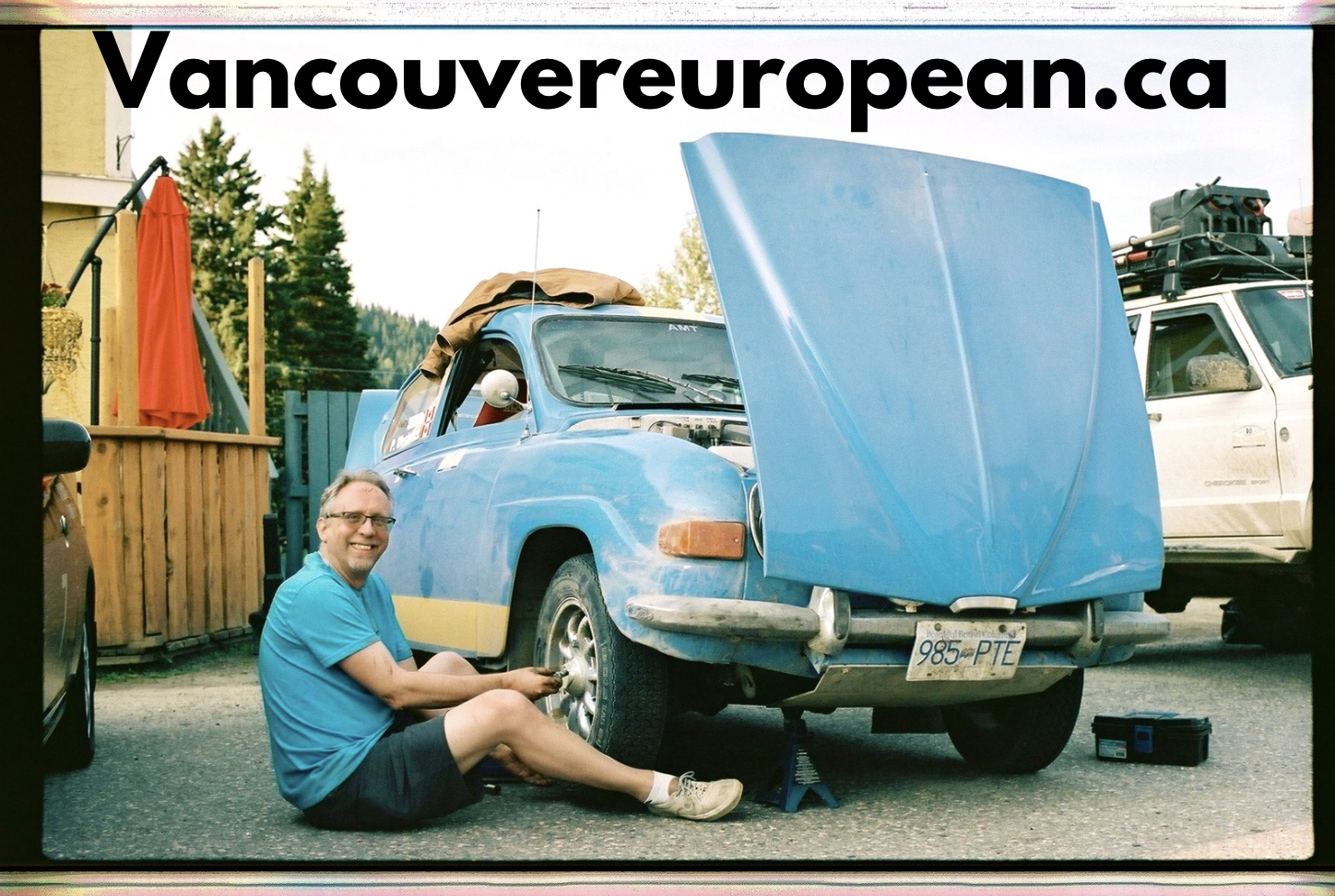
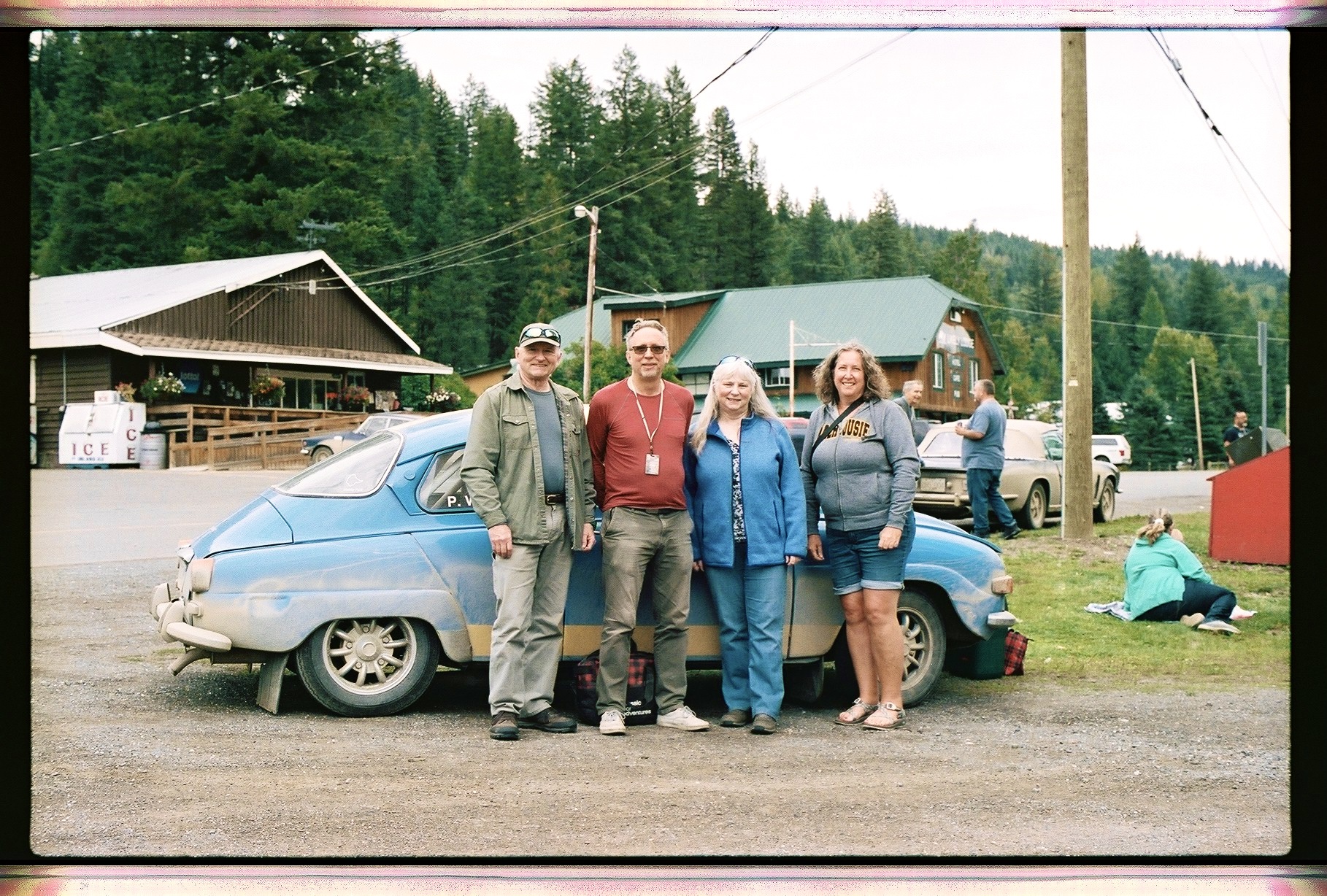
Make: Saab
Model: 96
Year: 1970
2004 marks the year when Paul acquired his Saab 96. Prior to that, he was entertaining the idea of converting a Saab Sonett (pronounced “sahb suh-net”) for stage rally, but a friend persuaded him to take a different route. Taking note of what vehicles the Saab factory rally team ran in the ’60s and ’70s (96s), his friend John convinced him that the 96 was the better option. And so, down Paul went to dig one out from under a tree in Seattle.
Once the paperwork was completed and the car was registered in BC, the revived 96 got its first rally treatment with a trip back to Seattle, where it received reinforced suspension mounts, a limited-slip differential, special pistons, a lightened flywheel, and a bigger carburetor. Its next stop was Rocket Rally in Squamish for a roll cage, paired with competition seats and harnesses.
As President of the West Coast Rally Association (WCRA) and organizer of the Thunderbird Rally since 1987, Paul had seen many rally cars come and go, but one that stood out was a Saab Sonett II/V4 driven by Satch Carlson. He was impressed with how these relatively low-powered 2WD cars fared and decided to embark on a Saab journey of his own.
When Paul isn’t organizing an event, he takes his Saab 96 on Classic Car Adventure rallies, including this past year's Rush to Gold Bridge, as well as various Time-Speed-Distance (TSD) rallies in BC and Oregon. Oh yeah, it’s even been out to Ashcroft for ice racing! With the speedo cable recently fixed, Paul can't put a number on how many kilometres he and his 96 manage per year, but, as he puts it, “they are all FUN km.”
Speaking of whats next for this Saab, it’s currently getting a fresh new V4 from SweedSpeed in the Netherlands. Driving home from this past year's Rush to Gold Bridge over the Duffey, Paul suspects the retaining clip that connects the valve to the spring failed, leading to a dropped valve—and then a cylinder with a hole in it. At least the clip decided to give up near civilization and not out near Barkerville!
Equipped with 65hp from the factory, this 96 is set to scream with its expected 130hp powerplant, soon to be finished up at RWM & CO. It won’t be long before Paul and his Saab are back on a dirt road with no cell reception—this time, with the luxury of a working odometer.
02/28/25: Tom's 911S
Make: Porsche
Model: 911S
Year: 1977
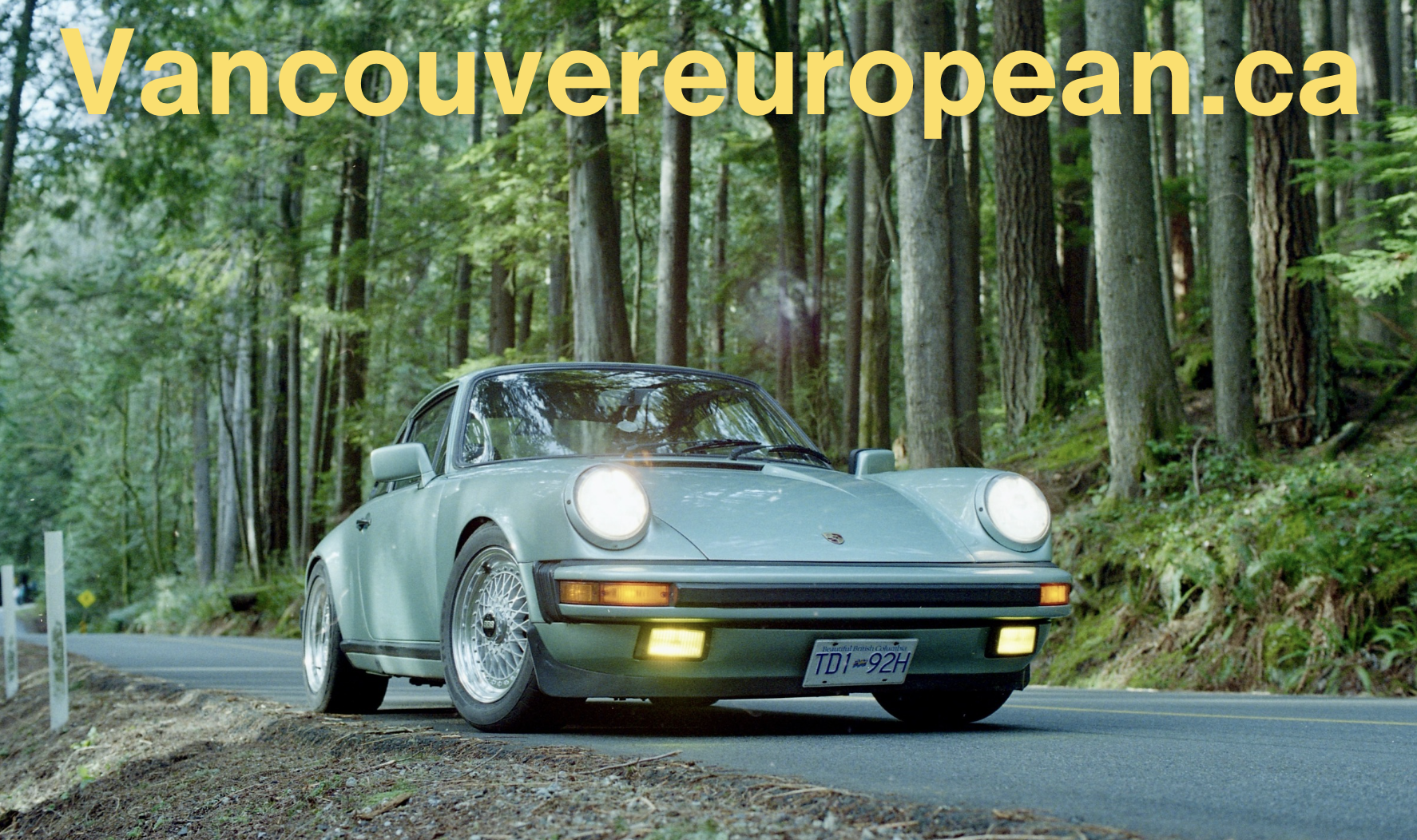
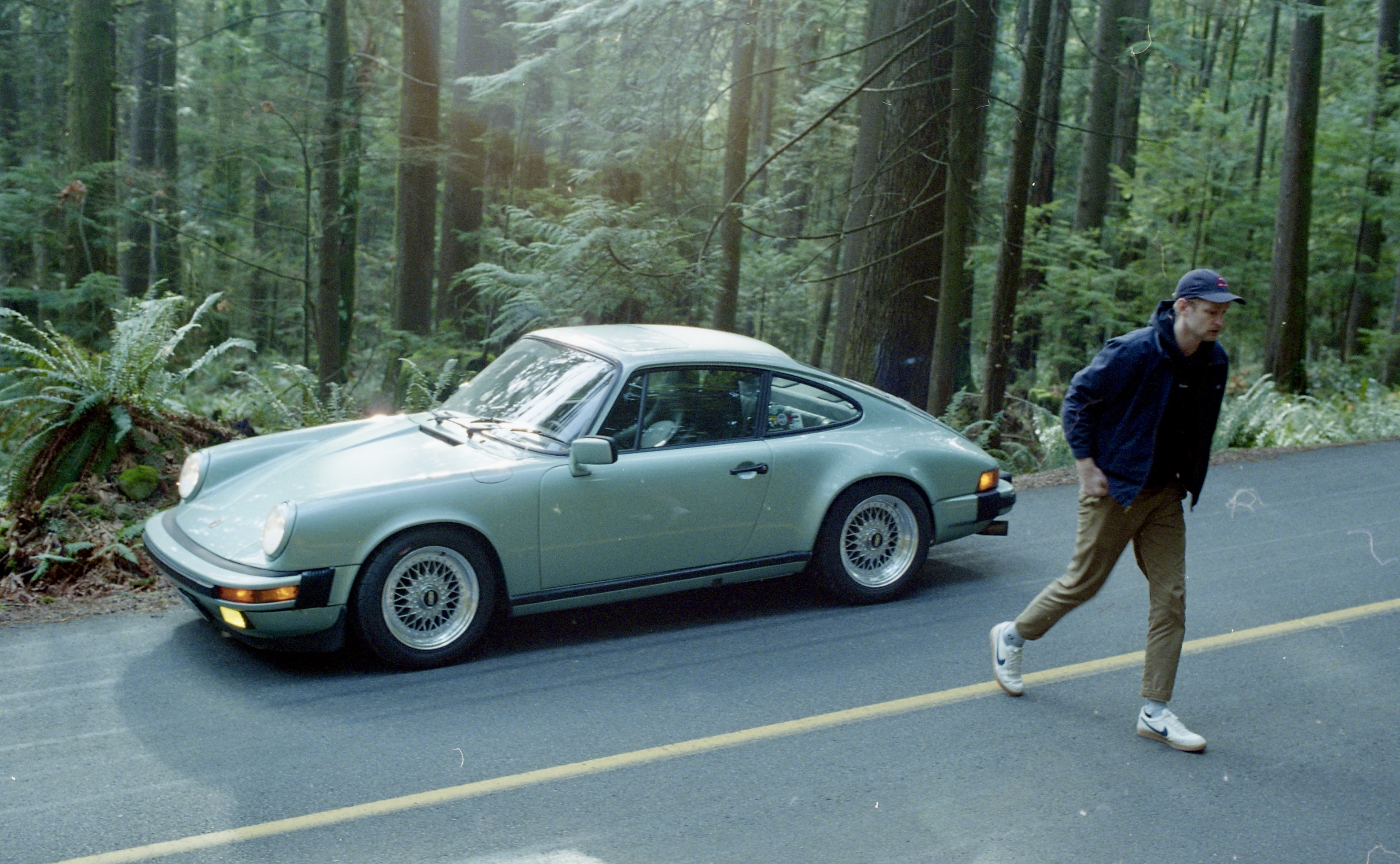
To Tom, having an air-cooled 911 was always the dream, and his past two years of ownership have only solidified that for him. As a professional photographer, Tom has an eye for colour and knew that he would have to get his hands on one of Porsche's more distinctive colours—he has done just that with this Ice Green Metallic 911S. To some, this example may fall under “Outlaw” territory with its 3.0L engine from a 1978 911, as well as a lower ride height, aftermarket wheels, meaty tires, later sport seats, and a phenomenal soundtrack (from an unknown exhaust system).
When the time came to finally search for Tom’s future 911, he enlisted Peter Modrovic, a well-known name in Vancouver's Porsche community. One day, to Tom’s surprise, Peter sent him photos of an Ice Green Metallic coupe with SC flares—already equipped with two-thirds of the modifications he had planned to do. He knew he had to take a look.
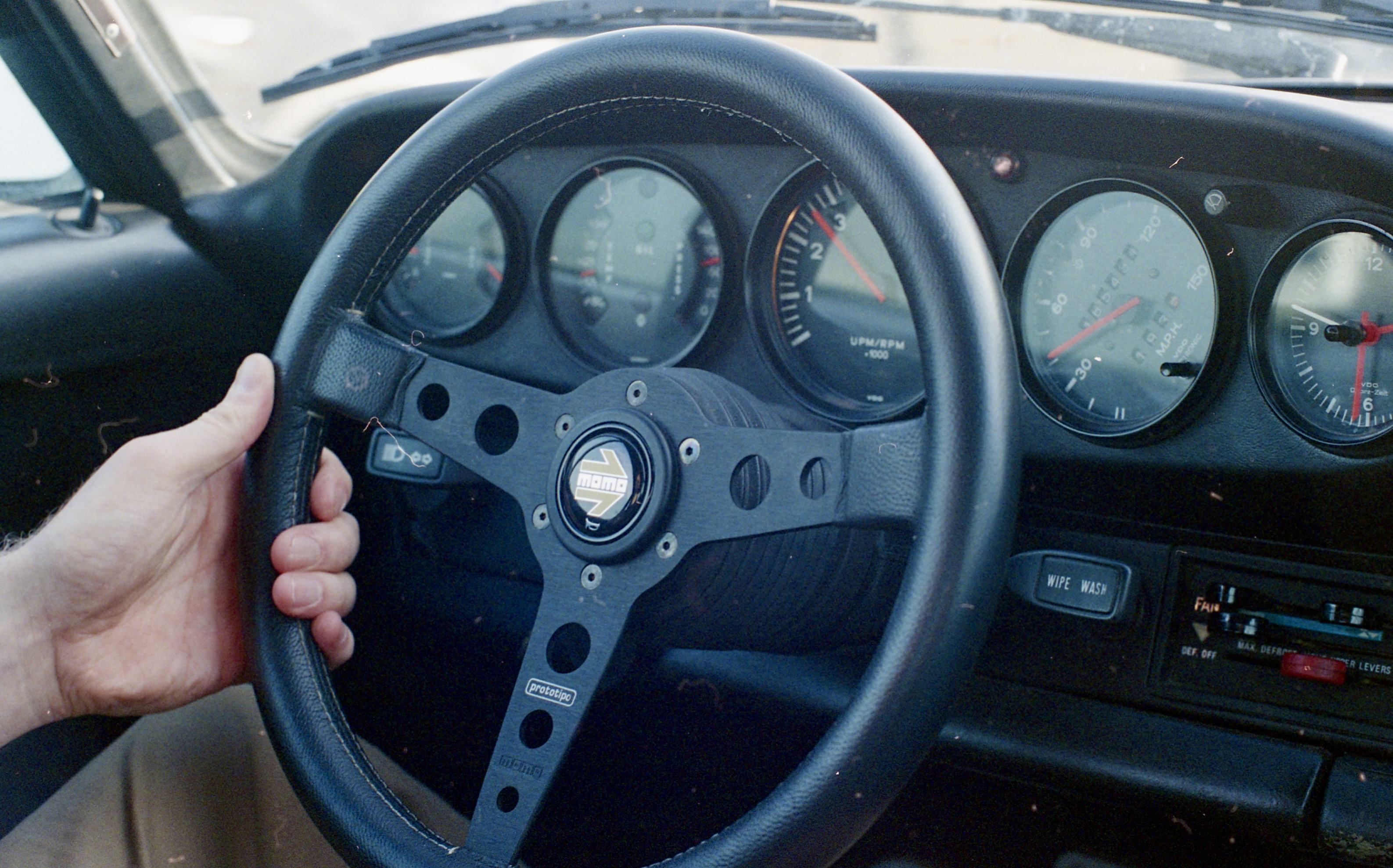
Throughout the five years of saving up for the idea of owning an air-cooled 911, Tom would frequently scroll through Bring a Trailer listings of cars he couldn't yet afford. Loving how the Momo Prototipo steering wheel looked in these classic Porsches, he knew that his future car would also have one installed. To save himself future trouble, Tom was a few steps ahead and prematurely got his hands on a 350mm Momo before taking ownership of his 911. Whenever he questioned whether buying one of these classics was a “smart” idea, he would take the wheel out of the box, grasp it, and envision installing it on his new Porsche. A year and a half after buying the wheel, his 911S received its first modification—only one day into his ownership.
As a regular at Spanish Banks Cars and Coffee and a participant in Porsche Club group drives, Tom never turns down a good opportunity to take his 911 out. Being a photographer and videographer for Pinkbike, the world’s largest mountain bike-specific media platform, he was requested to attend the Sea Otter Classic in April 2024, a mountain bike convention held at Laguna Seca Raceway in Monterey. Deciding that driving is more fun than flying, Tom set out on a 6,000km road trip down the coast, where he would spend four days at the convention. After the bike-related fun, he made his way to Los Angeles to attend the annual Air | Water Porsche gathering organized by Luftgekühlt. On many occasions throughout this trip, Tom found himself realizing the lifelong dream he was achieving: blasting into the sunset on the Pacific Coast Highway and driving through the twisty Redwood backroads in an air-cooled 911 that he could call his own.
On that very trip, Tom managed to get in touch with the son of the original owner and decided to meet at Air | Water. Seeing the car for the first time in 30+ years, George invited Tom over to his place to check out his car collection, where he showed off his Petrol Blue 911SC. That day ended with stories of being 18 years old driving Tom's car, and a sunset chase along Mulholland Drive in Los Angeles.
02/14/25: Dave's '58 Beetle
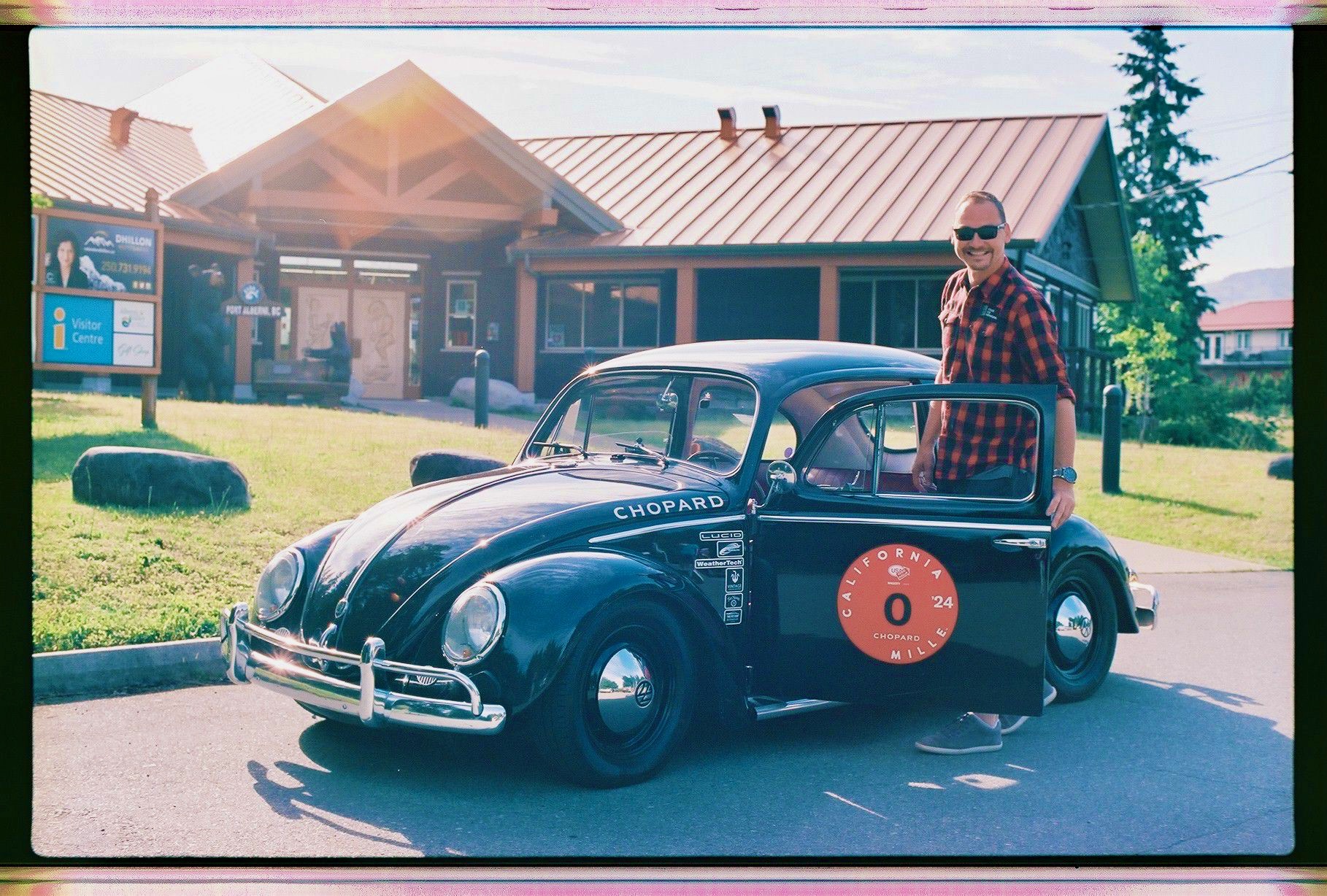
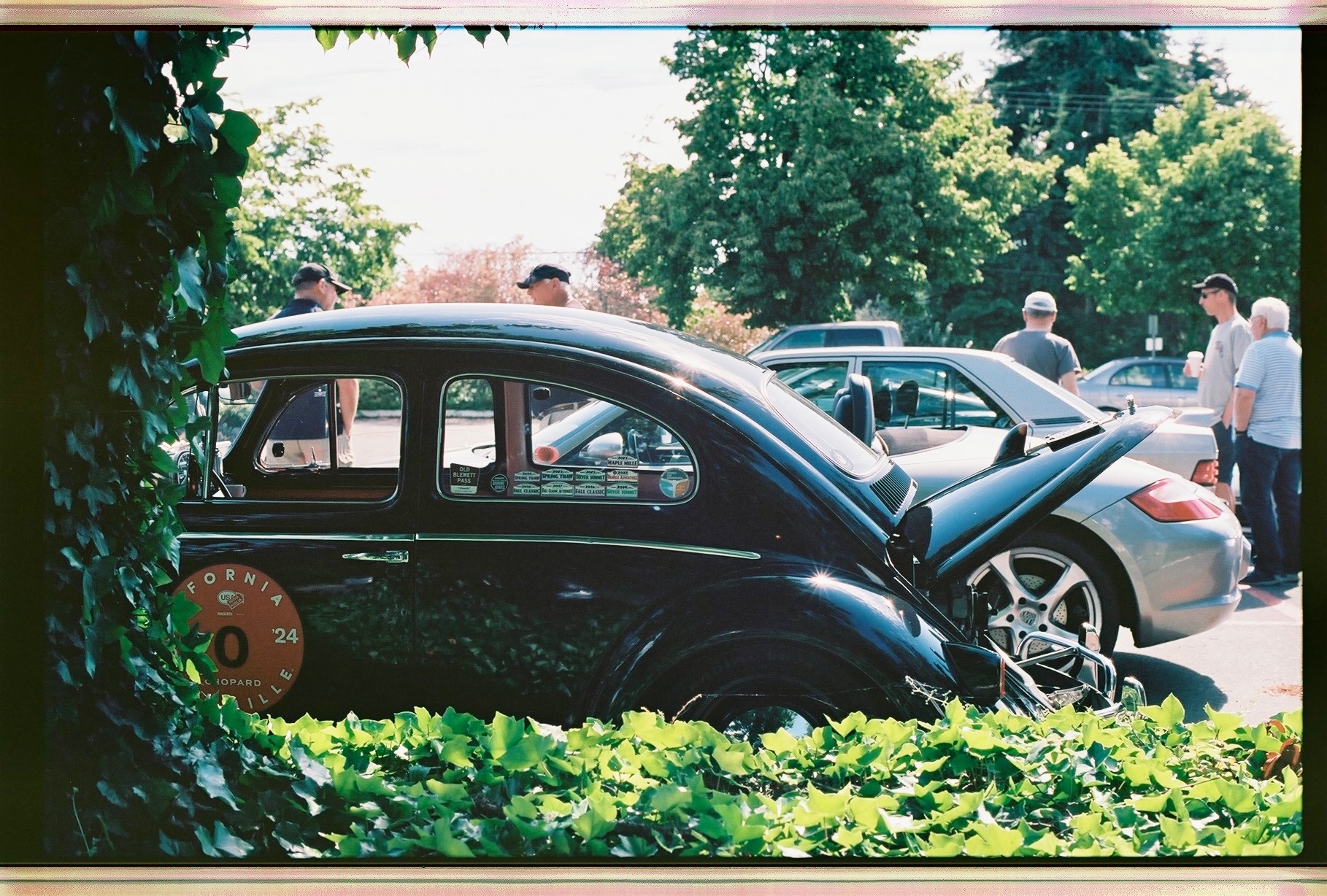
Make: Volkswagen
Model: Beetle
Year: 1958
To Dave, the Volkswagen Beetle is a part of him and has been ever since he was a kid. Peeking into his dad’s garage growing up would involve seeing at least one VW Bug being restored, kickstarting a never-ending passion. While friends in elementary school awed over Ferraris and Lamborghinis, Dave only ever wanted one thing: a Volkswagen Beetle.
If you divide the classic Beetle world, you get two main categories: early and late. Being pre-'68, Dave's 1958 VW Beetle is considered an early Bug. With smaller bumpers, better lines, and fewer safety improvements, the “classic feel” is left intact. Airing on the sporty side, Dave was always drawn to late-model Beetles due to their independent rear suspension, making them great candidates for performance builds. The more affordable entry point bolstered this. Despite the primitive King and Link-Pin front end on early Beetles, a die-hard fan can appreciate them all. The dream was to have an early example.
As one does, Dave opened up Craigslist one morning to discover an early Beetle lurking in the underexposed abyss of a Vancouver high-rise parking garage—just a body bolted to the pan next to an equally large pile of boxes. This pile was supposedly “everything needed to restore.” To put you into Dave's shoes at the time, he had a 1968 VW pickup truck purchased from a friend the year prior. Prices for pickups had greatly increased within his year of ownership, and his friend was after him to buy it back. Wondering what he could buy with the money, this could be the perfect entry into an early! Dave immediately alerted his friend with a “Hey Rob,” then followed it up a little later with a “buy me this ‘58 Beetle, and you can have your single-cab back.” January 2015 marks the month when Dave became the owner of an early Volkswagen Beetle.
The Volkswagen Beetle (Type 1) was manufactured with one intention: to be transportation. Equipped with rubber floor mats, no carpeting, no radio, no substantial sound insulation, and 36 hp, it truly took “less is more” to heart. With the idea of a fuel gauge that could be viewed from inside the vehicle being too convenient, there was instead a wooden stick that you dipped into the tank to read the level. Out of gas on the main tank? No problem—kick the lever to reserve, and you have 5L to find a pump.
When Dave first acquired this ‘58 in 2015, it was his third Beetle. Already owning a heavily modified ‘71 Salzburg Rally Tribute and a ‘75 family heirloom needing restoration, he vowed to keep the new addition to the family stock as an “investment.” Famous last words.
In the meantime, he finished the interior in black vinyl, which proved to be his saving grace. Catching wind of a Vancouver TV production needing basic pre-1965 German and Japanese vehicles, the new black interior was perfect, and he and his car were hired. If you see a black Beetle in the background of early seasons of “The Man in the High Castle" on Amazon, that's Dave! Season one paid for the car, season two paid for the red interior, and by season three, he just couldn't make the time so his friend built a replica for the production company.
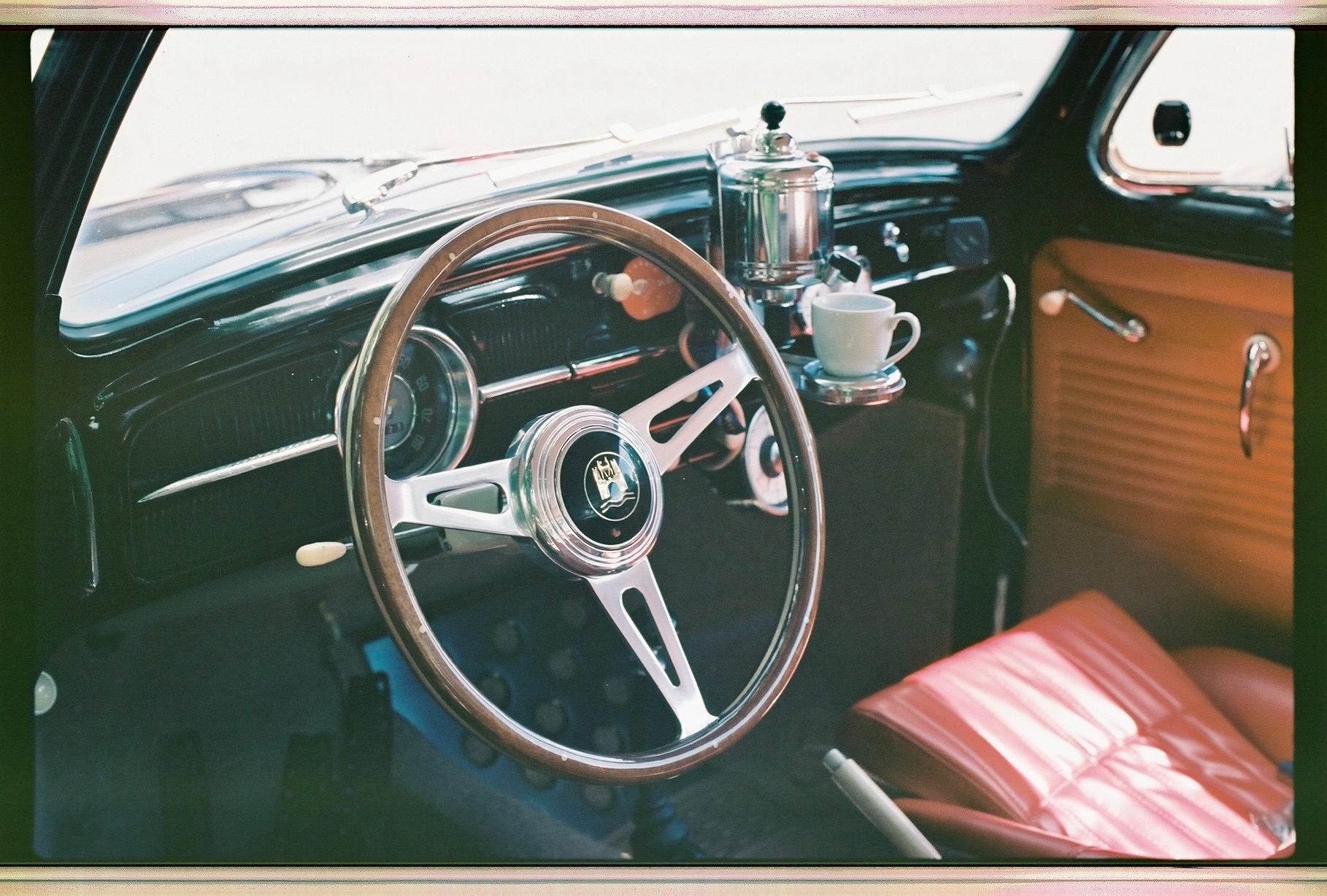
With the Bug “owing him nothing,” Dave spent the next five years creating his interpretation of a performance early model. Lowered suspension, disc brakes all around, an 1835cc engine with 130 spunky hp, a later transmission with a synchro first gear, and Porsche Speedster seats. A couple of impossibly rare additions include a gifted Hemo Trip Taeller (a Danish-made rally odometer) and Dave’s Hertella Auto Kaffeemaschine. He always has cars and coffee with this dash-mounted coffee machine, considered by some to be the rarest Volkswagen accessory ever (approximately 6 units still in existence).
Set up to be driven—and if you know Dave, you know he does that quite often. From running Classic Car Adventures, which hosts a series of collector car rallies around North America, to working for Hagerty as Director of Events for Canada, he finds himself driving up to 70,000 miles per year in collector cars! This ‘58 Beetle in question does 27,000 of those 70,000 miles through at least one CCA event, a short drive to California and back, and the California Mille rally. Some of its daily errands include setting up route books for future events and road trips. By the looks of it, there is no such thing as too much driving. Wouldn’t be surprised if he drives down to California for groceries. His ‘58 Bug has been to Colorado and back more times than he can count, and in 2023, it made a loop of 19 states, 9 provinces, and 6 rallies.
To Dave, this 1958 Volkswagen Beetle is almost perfect for everything he does. From being chased through the Southern California twisties by an impressed Bruce Canepa to cruising on the interstate at 85 mph, it's a perfect ‘58. Moreover, it’s his ‘58.
01/31/25: John and Marci's Intermeccanica 356
Make: Intermeccanica
Model: Roadster
Year: 2010
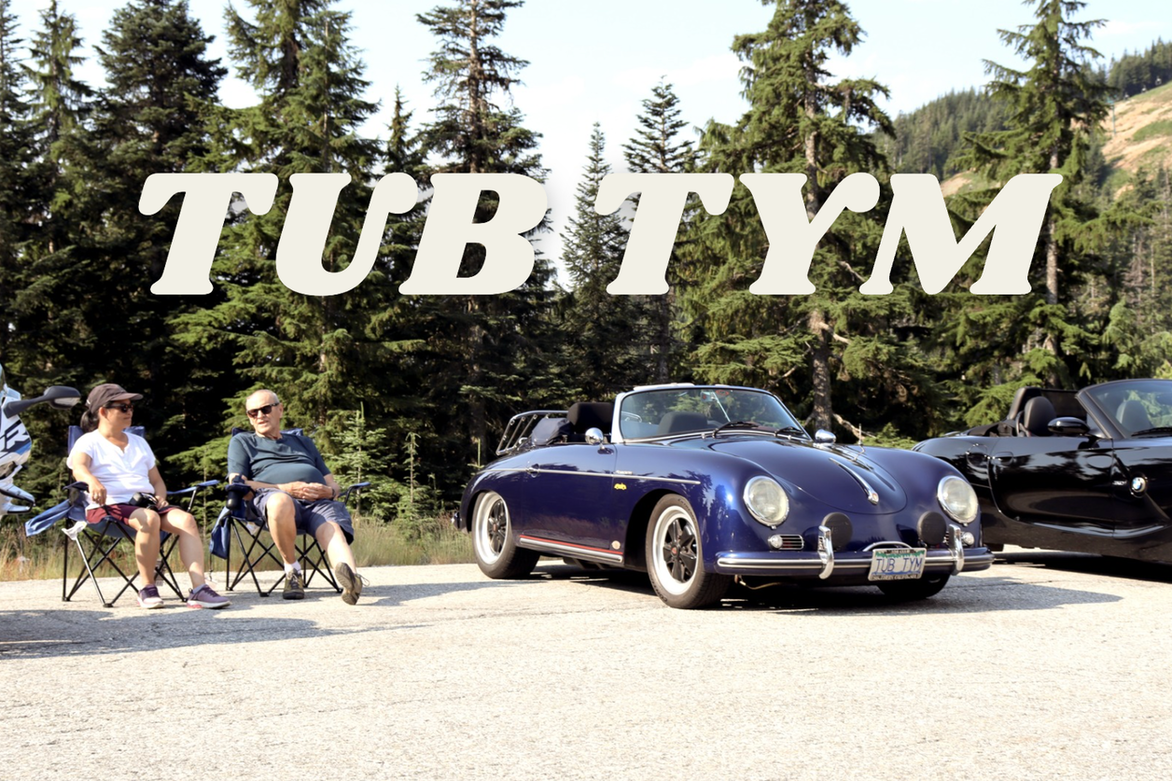
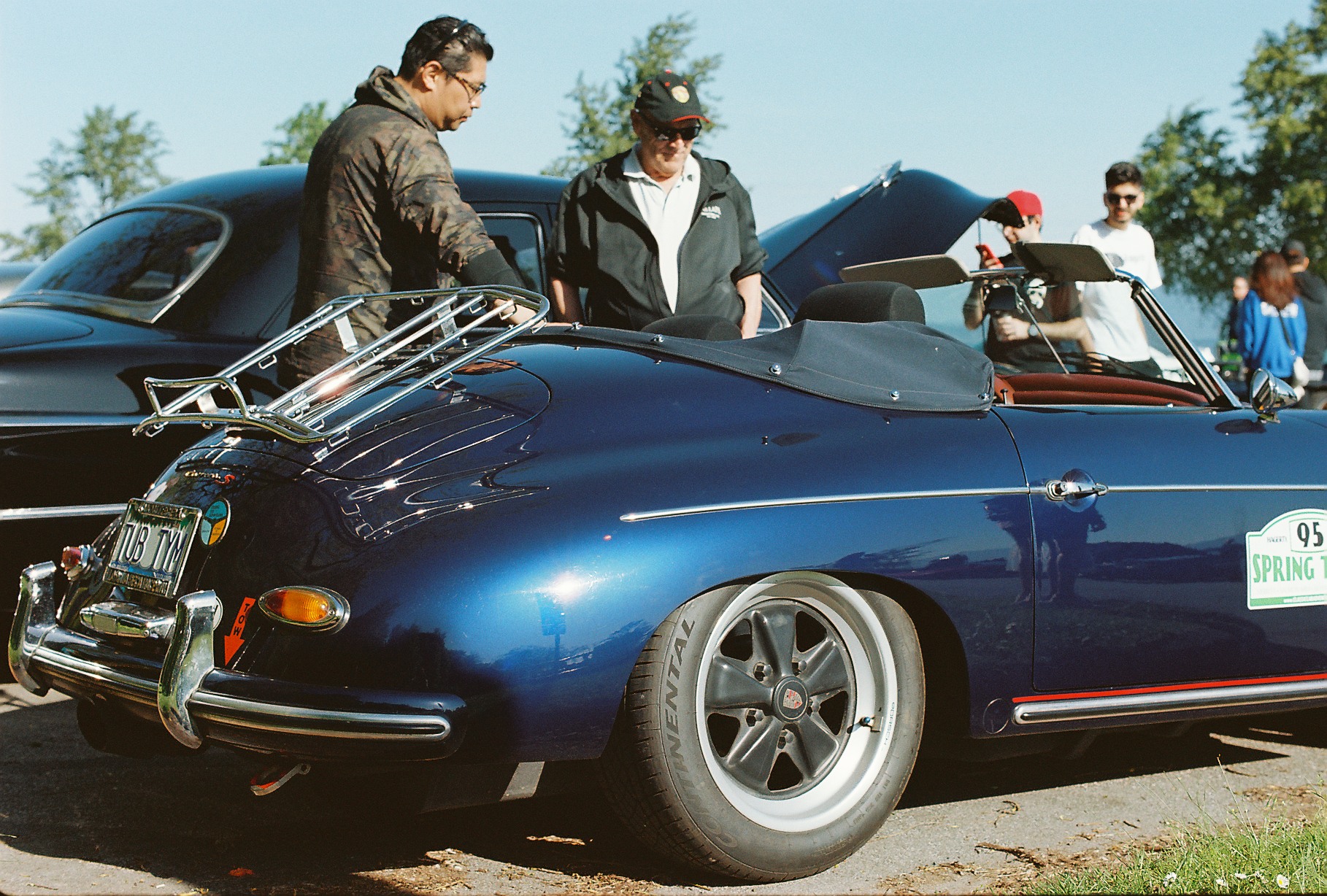
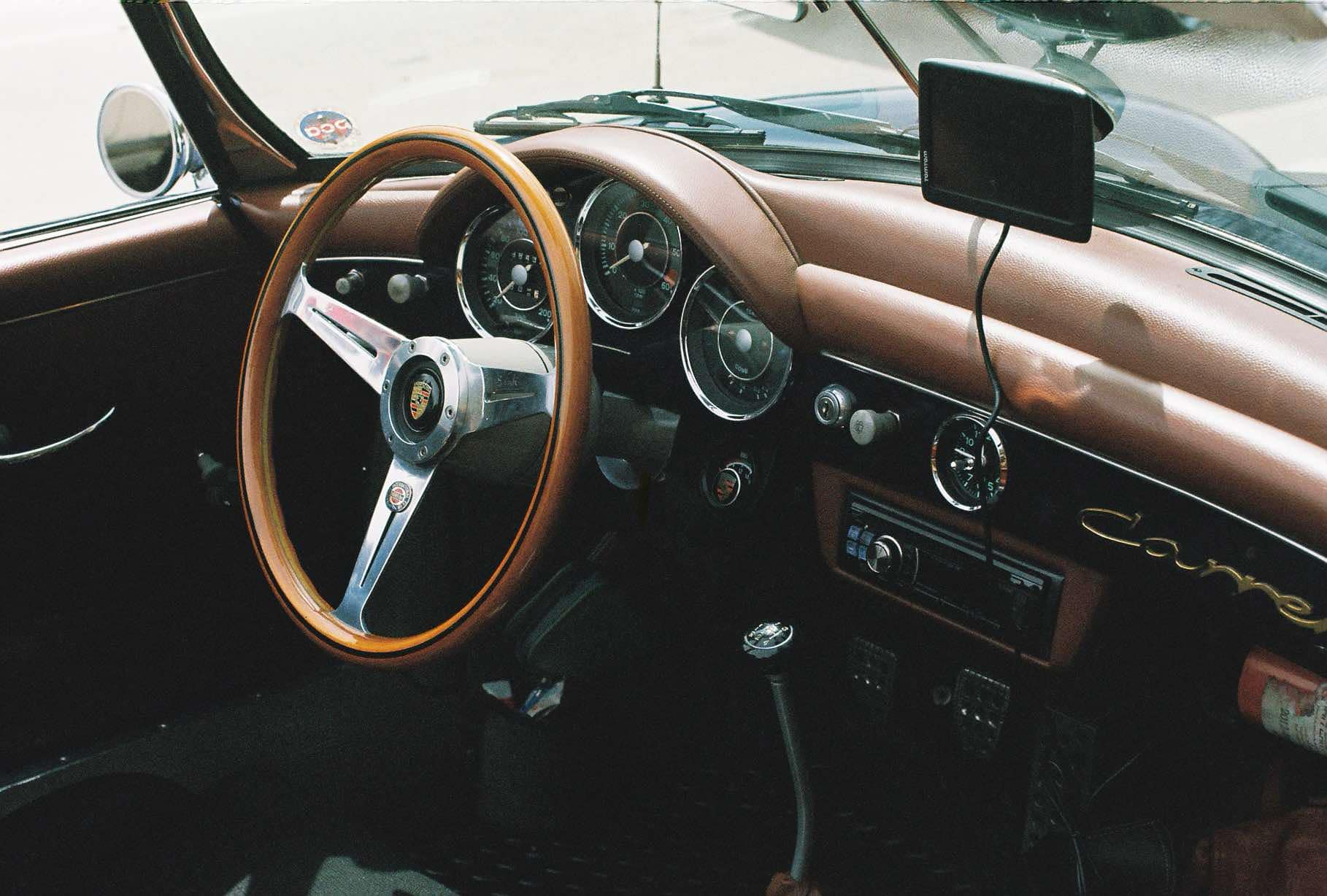
This is John and Marci’s 2010 Intermeccanica Roadster, known as TubTym! You’ve probably spotted them at Spanish Banks Cars and Coffee or various rallies, as the couple has set it up for what they love most—driving. With an oversized fuel tank, a luggage rack, and all the necessary gear, they’ve driven it over 100,000 km, participating in more than 30 classic car events, from BC to San Diego, and even all the way to Ottawa for the Classic Car Adventures Maple Mille. Powered by a 2332cc CB Performance motor producing 170 horsepower and paired to a Rancho transmission, this tub is no slouch. Finished in Lapis Blue, it’s complemented by 16-inch Fuchs rims, Wilwood brakes, and a leather interior with heated Recaro seats. After five sets of tires, John and Marci Hinde’s plan is simple: to enjoy the car, the scenery, and the people they meet along the way.
“We like everything about the car: looks, handling, and power. Man and Woman's best friend.” -John
01/17/25: Christopher's M3
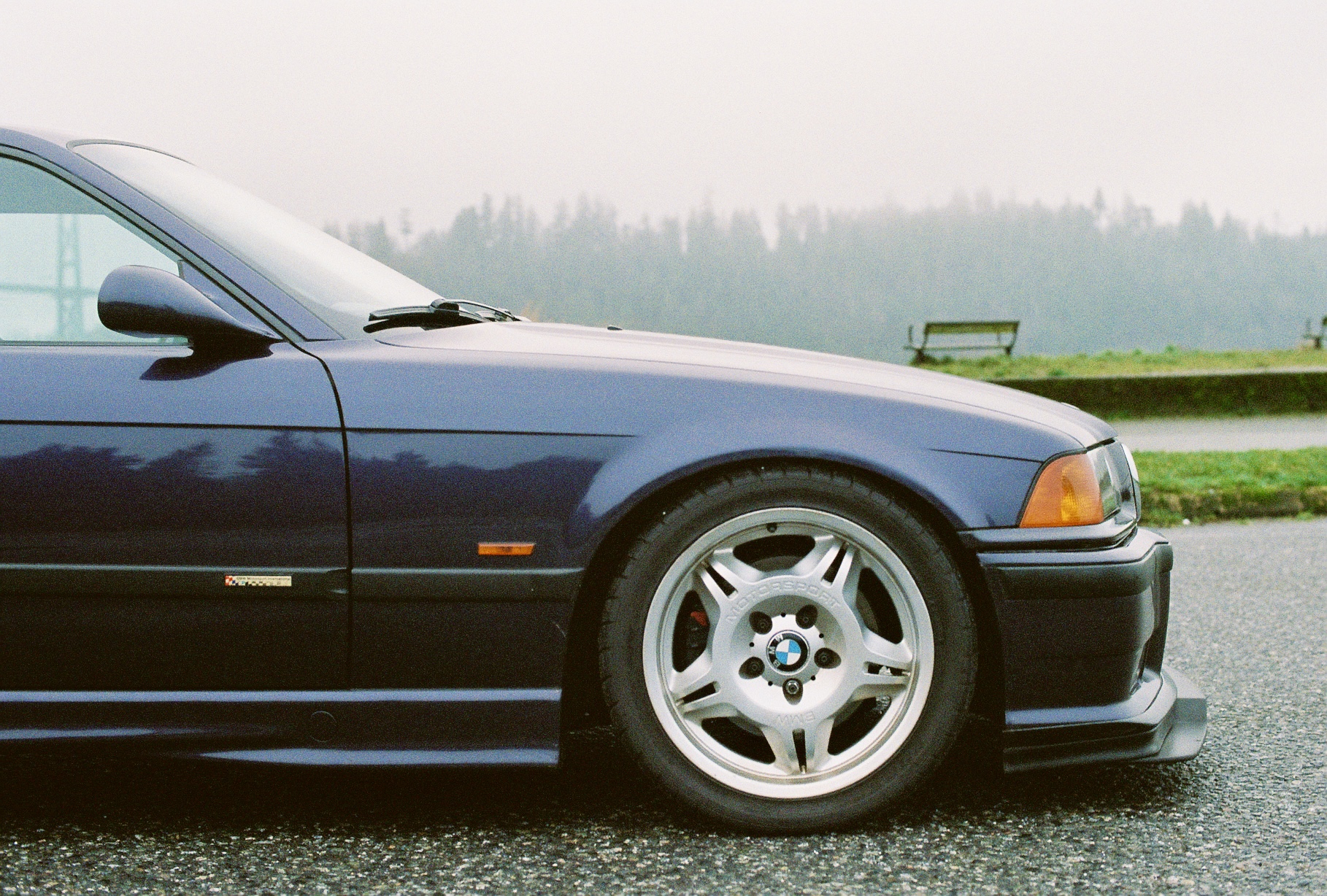
Make: BMW
Model: M3
Year: 1998
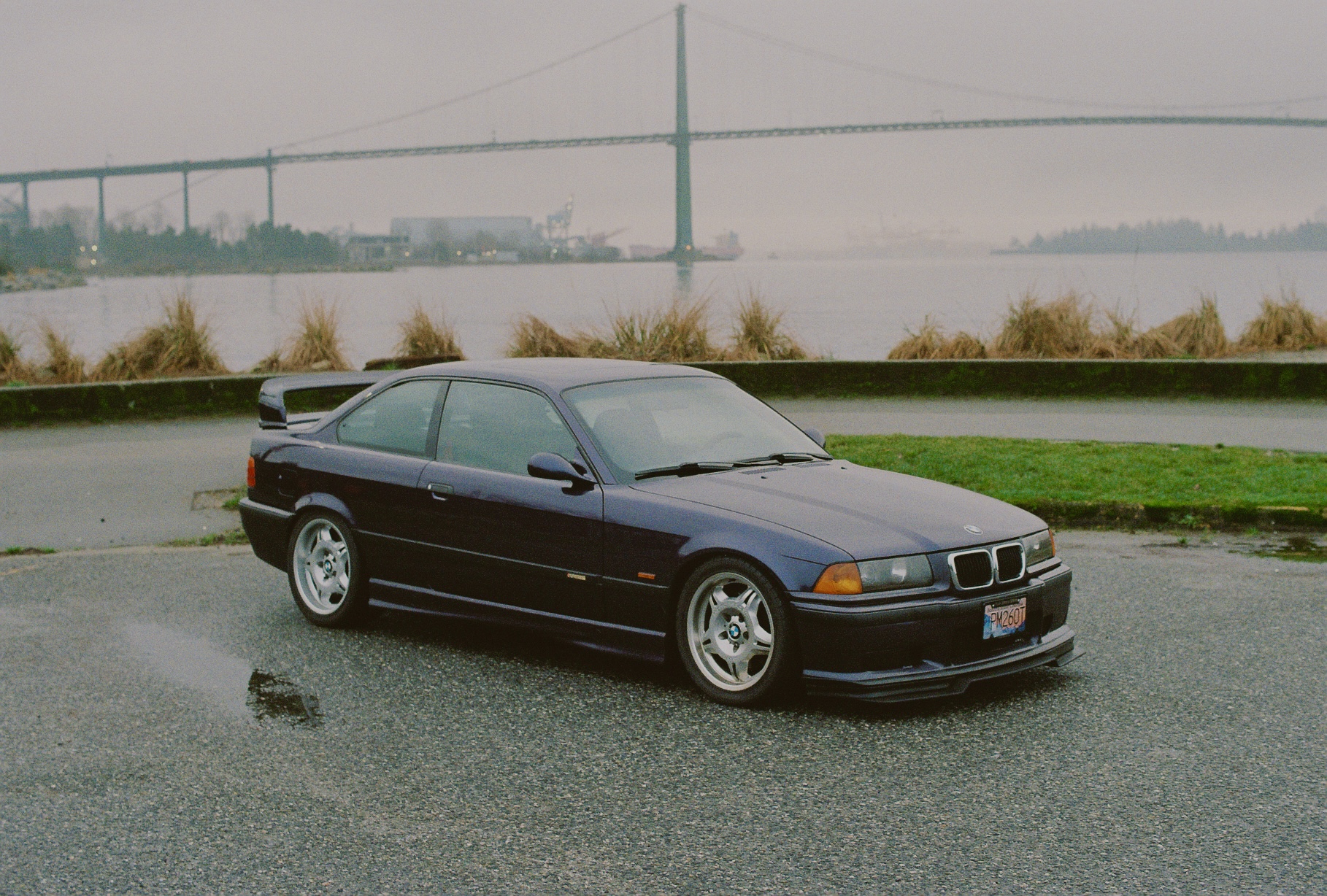
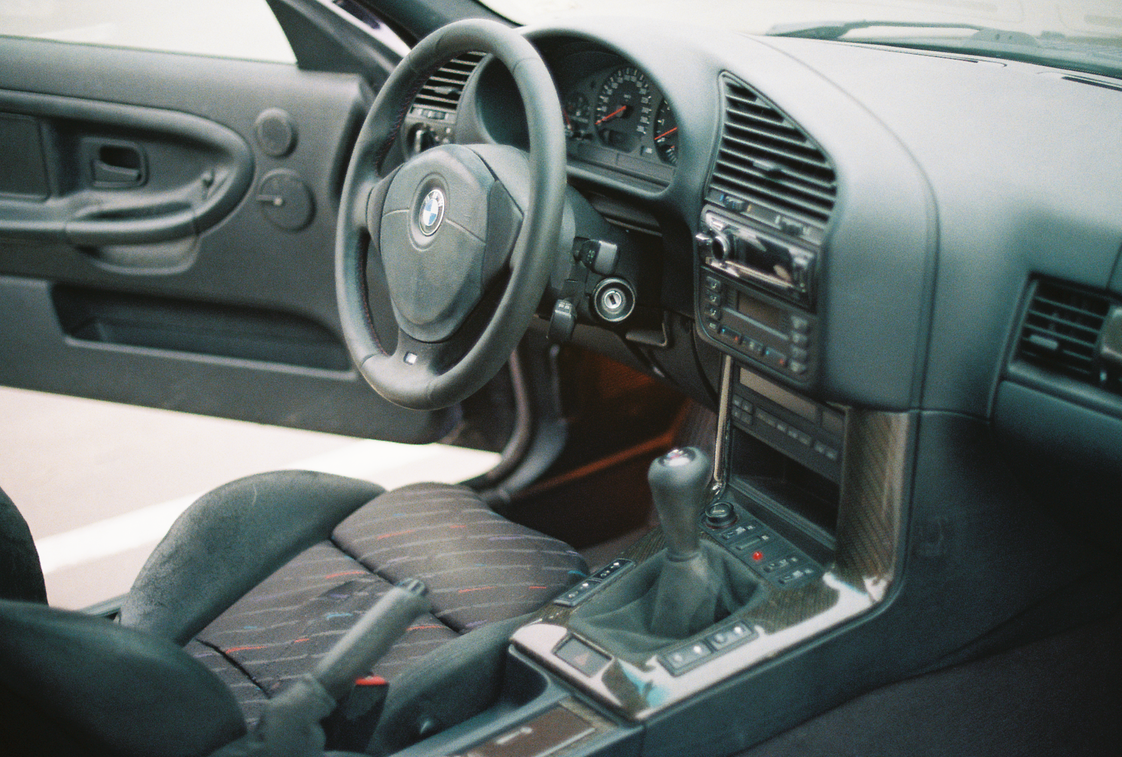
Christopher's ownership of his Technoviolet E36 dates back to 2012 when Chris from CG Motorsport put him in contact with a customer who was thinking of selling. From a young age, this specific generation of M car resonated with him and has lived up to the hype ever since he first got behind the wheel. The low point of Christopher's 13 years of ownership was blowing a head gasket; however, the highlights have been everything since. From a 4,000 km honeymoon road trip down the coast to San Francisco, to snowboarding trips and track days, he tries to squeeze everything the car has to offer, as “an M3 is good at everything.” With a blend of modern amenities approaching the 2000s, coupled with analog driving characteristics from the past, it's a superb combination. The only thing Chris dislikes about it is that people love to ding its doors (yes, it's his daily driver). Being the cutoff before BMWs became increasingly more difficult to work on, it’s easy to maintain, and it helps that any DIY under the sun is documented by countless forums. Chris has tastefully modified this driver's car with a laundry list of OEM BMW Motorsport parts over the years, so let's list them off:
- OEM GT2 Rear Wing
- OEM Class 2 Wing Risers
- OEM GT Adjustable Front Splitter
- OEM GT Carbon Fiber Interior Trim
- OEM Motorsport Stamped Style 24 Wheels
Non-BMW parts include KW coilovers, an Eisenmann sport exhaust, and a baby seat. Currently, Christopher gets around 9,000 km out of his M3 each year and plans to maintain it in its current form, get a solid detailing done, and replace some aging interior pieces. He equates his future classic BMW to a dog: it’s loyal and goes everywhere you want it to.
01/03/25: Gregory's 996R
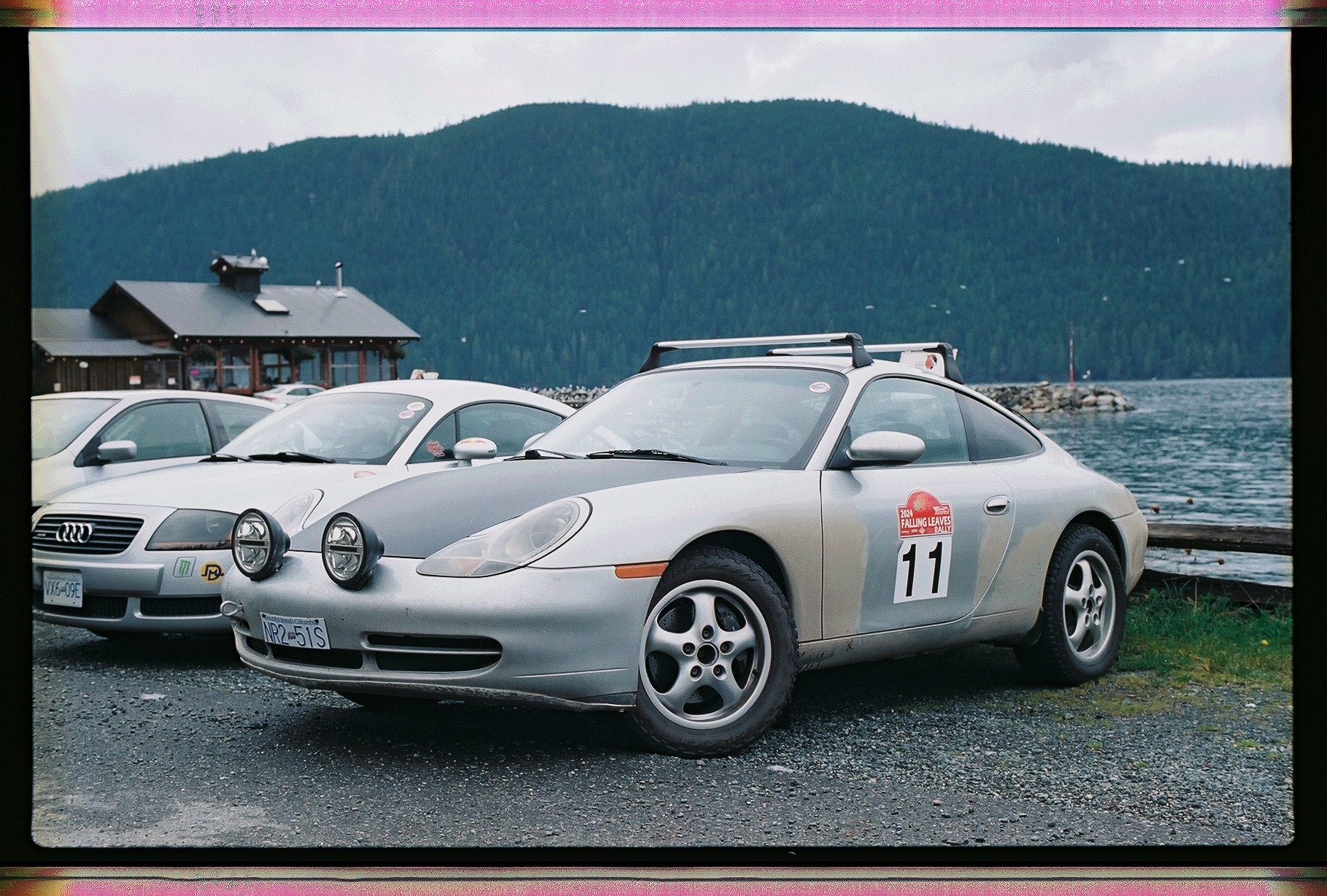
Make: Porsche
Model: 911, (personally referred to as a 996R)
Year: 2001
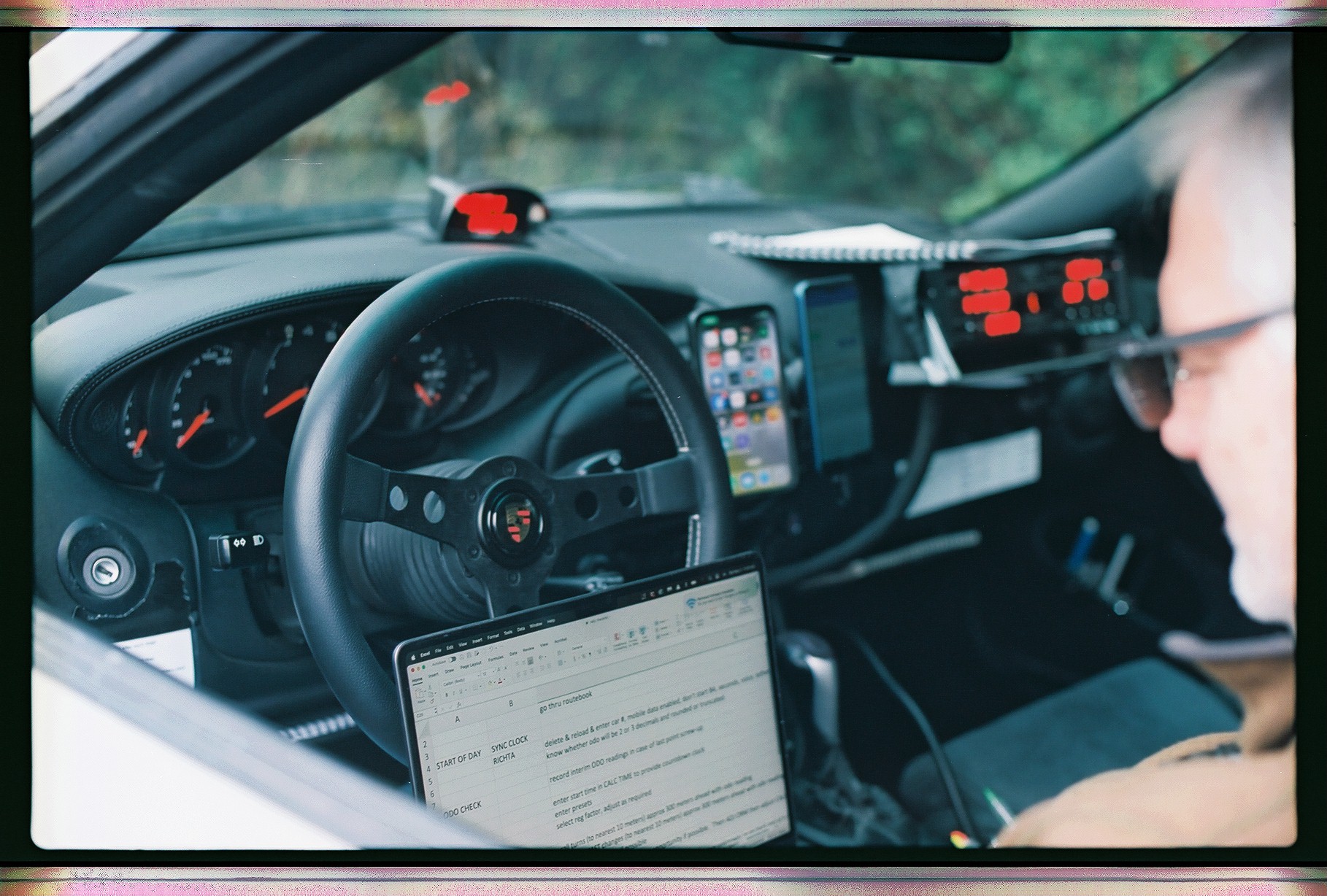
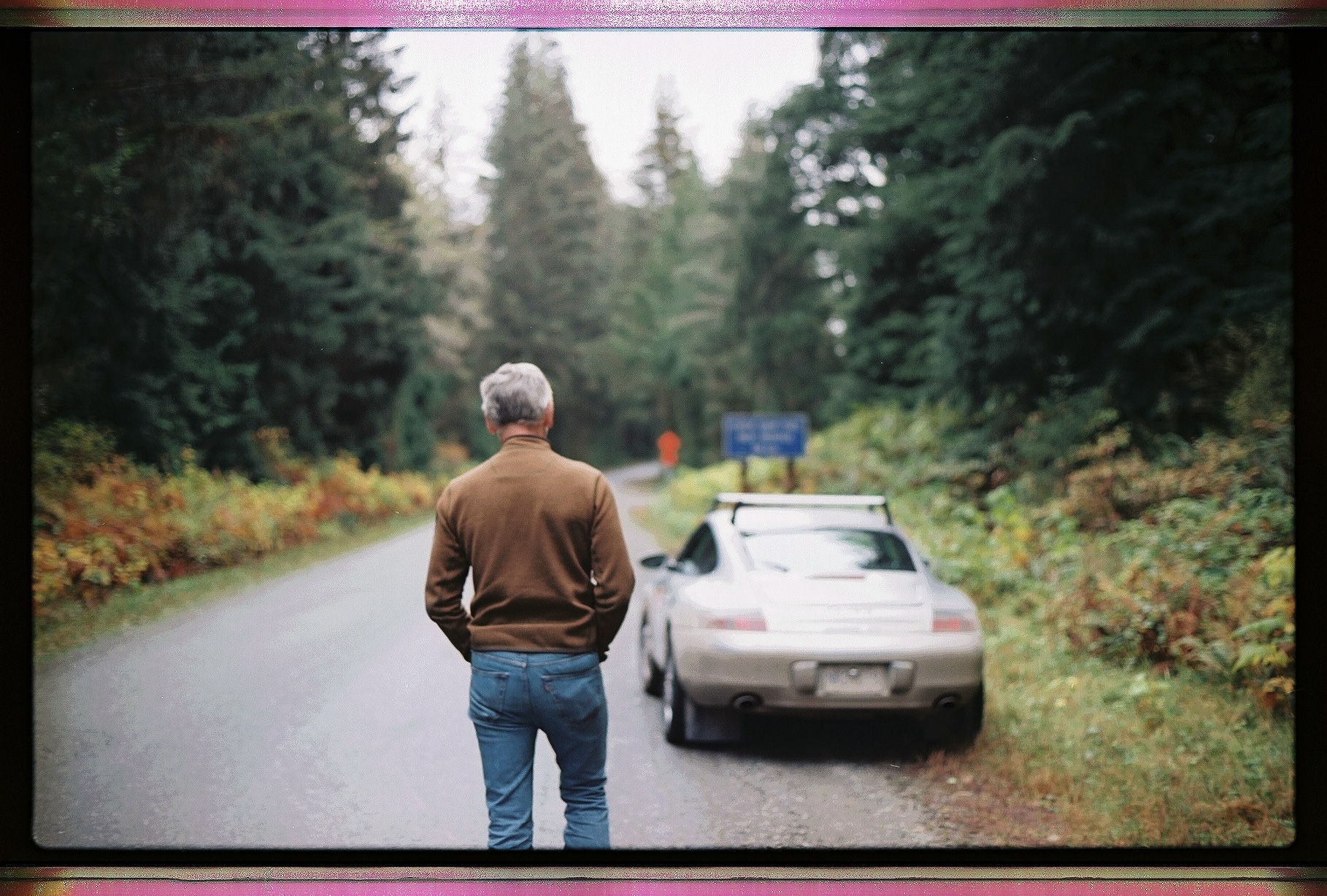
This is Gregory’s so-called “996R.” Built to be a time-speed-distance (TSD) rally car, this early 2000s Porsche 911 can be seen at various events on Vancouver Island, in BC’s interior, and even in Oregon! The journey begins with Gregory’s father, a Porsche enthusiast who was on the lookout for a good deal. Discovering that the 996 generation was priced substantially lower than other body styles, he ended up purchasing this car with a freshly rebuilt engine, courtesy of the previous owner. Soon after inheriting the vehicle in 2022, Gregory went down the rally rabbit hole by installing GT3 suspension with long-travel shocks, swapping the transmission for a manual with an LSD, and, of course, threw on some chunky tires. Interior upgrades include Recaro Pole Position seats, a Momo steering wheel, and a Timewise 798A rally computer. Gregory loves the versatility of going at “Porsche speeds” between rally stages, then sliding around on the rough stuff at a moment’s notice. The car doesn't even flinch. Being a relatively modern 911, it offers appreciated comforts for long days in the driver's seat, contrasting well with the utilitarian intent of the vehicle. These comforts were a welcome relief on this year's Rush to Gold Bridge, where he travelled as far as Barkerville primarily using unpaved roads. Keeping things light with rear-wheel drive, this Porsche is no modern Subaru, but it sure makes things more interesting. With no traction control or active suspension, its (almost) 300hp is plenty to have fun. Averaging around 10,000 km annually, Gregory plans to add a tow hitch for a bike trailer and has recently acquired a rooftop tent this past week. Its safe to say, this 911 is prepped for more adventures to come.
12/20/24: Robert's NSU Prinz 4L (Stella)
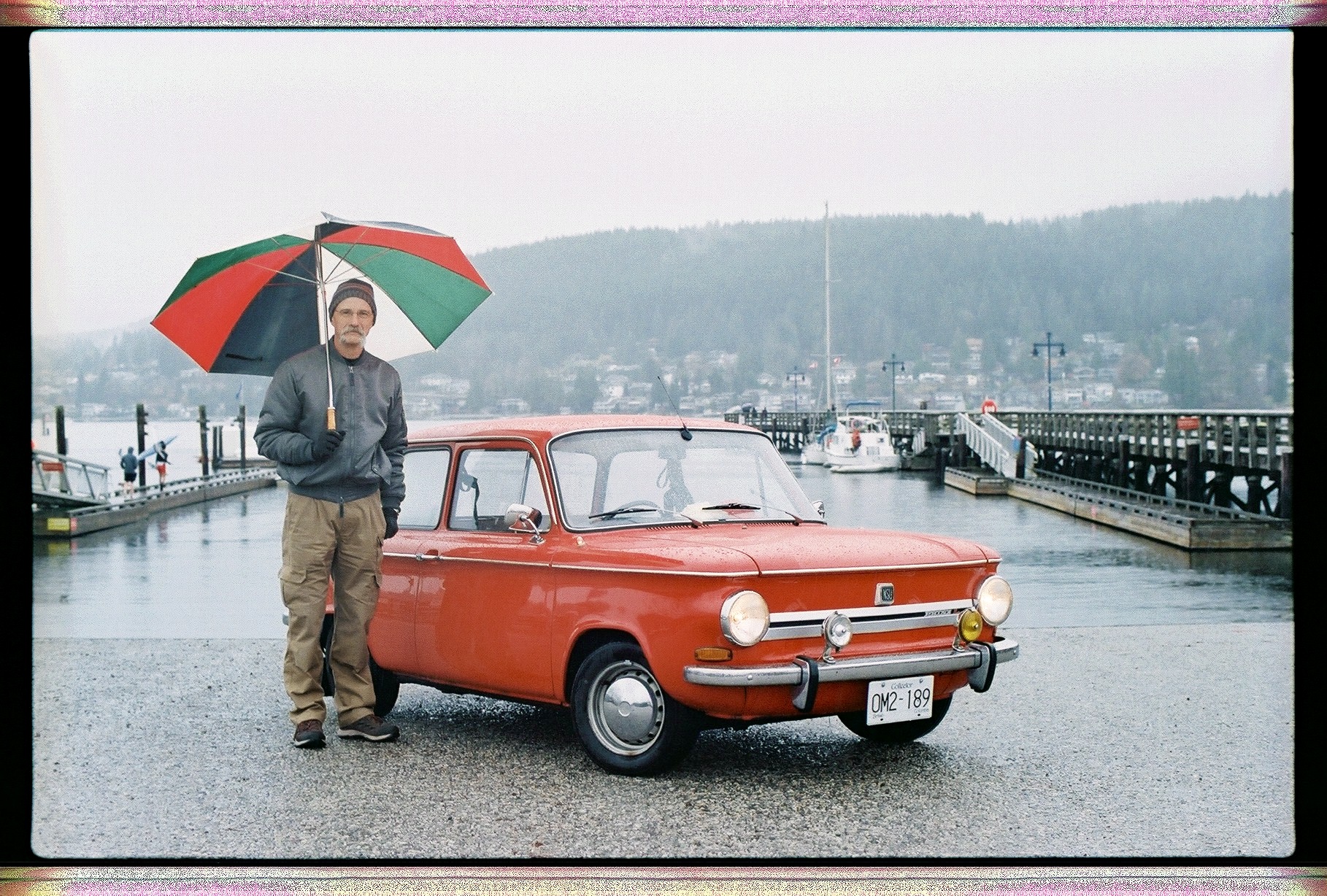
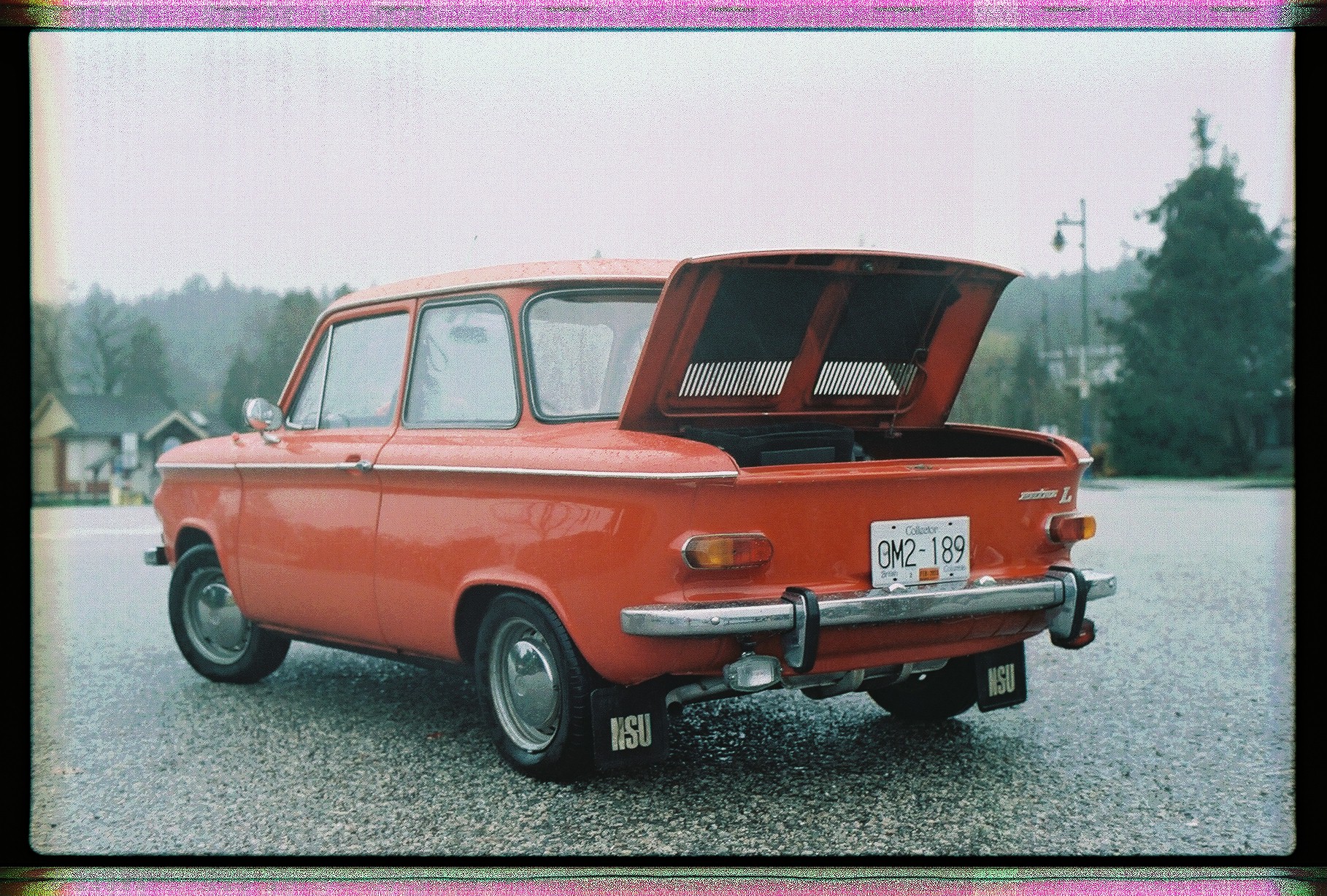
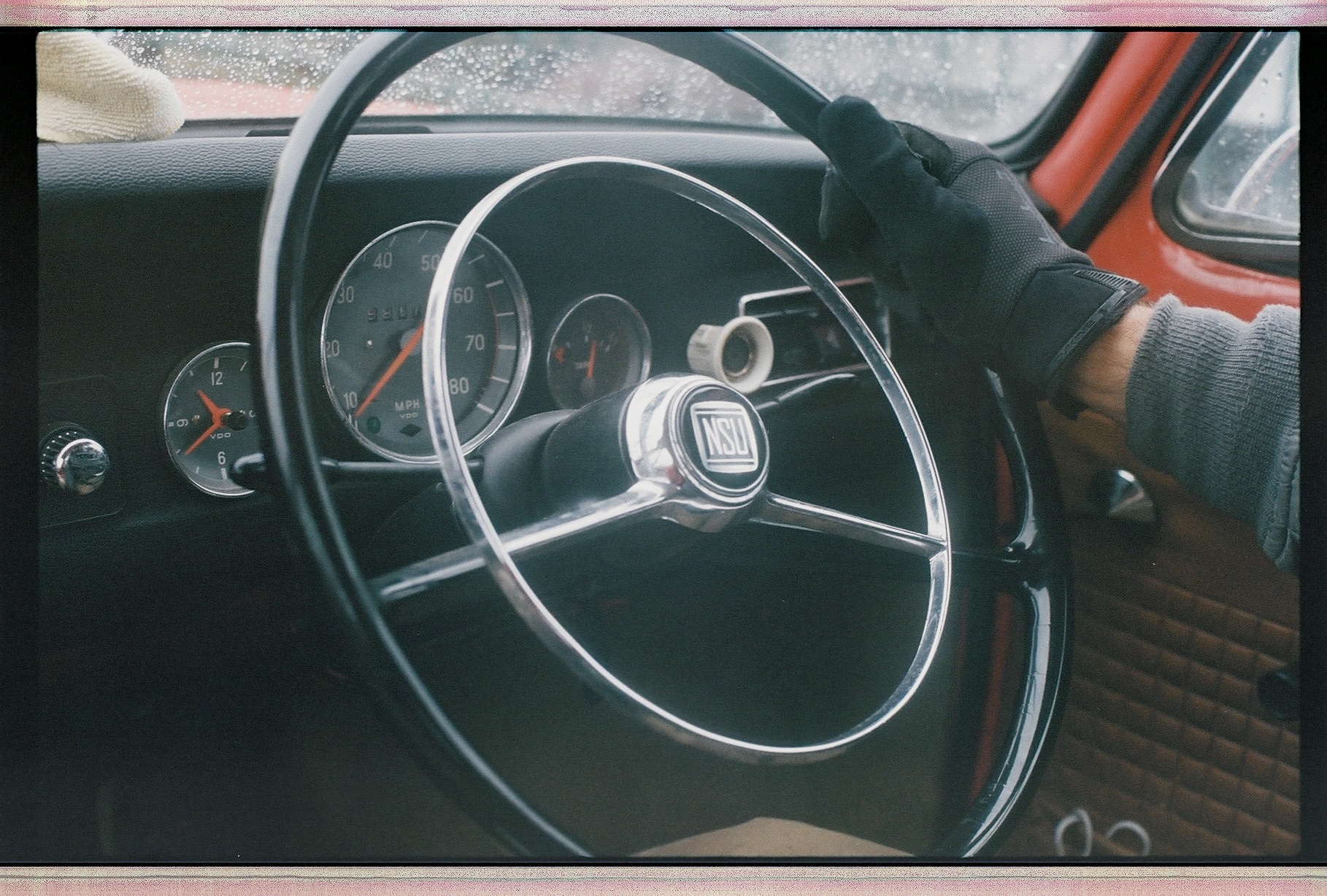
Make: NSU
Model: Prinz 4L
Year: 1971
Affectionately named Stella, this is Robert's 1971 NSU Prinz 4L. In fact, this is Robert's second NSU Prinz 4L, as his first was tipped onto its side by some unfriendly individuals back home in Britain. Anyhow, Robert has treasured this little vehicle for the past 26 years, having found it through the NSU Owners Club of Great Britain. When Robert first got her, Stella was many shades of red, but since then, she has been repainted, her seats have been reupholstered, and her engine has been rebuilt. After years of motoring around in the UK, Robert packed up Stella, along with the rest of his belongings, into a shipping container (you could probably fit five Prinzes into one of those) and set sail for Vancouver. Now cruising along Canada’s open roads, this spunky NSU is finally given a chance to open up its wings where Robert and Stella manage a few hundred kilometres of driving annually. Back in Britain, however, Robert managed to log 2-3 thousand miles annually with a common drive being London to Yeovil, turning a 125-mile trip into a three-and-a-half hour experience through the use of A and B roads. So what’s it like to drive? According to Robert, she is very light, agile, and well-balanced. Equipped with a rear-mounted fiery 600cc two-cylinder engine, Stella is not as rear weight-biased as with many other rear-engined cars making the Prinz noted for good handling.
Robert likens Stella to a cat. “She is small and agile, she loves attention, and she purrs.”
12/06/24: Rob's 911SC
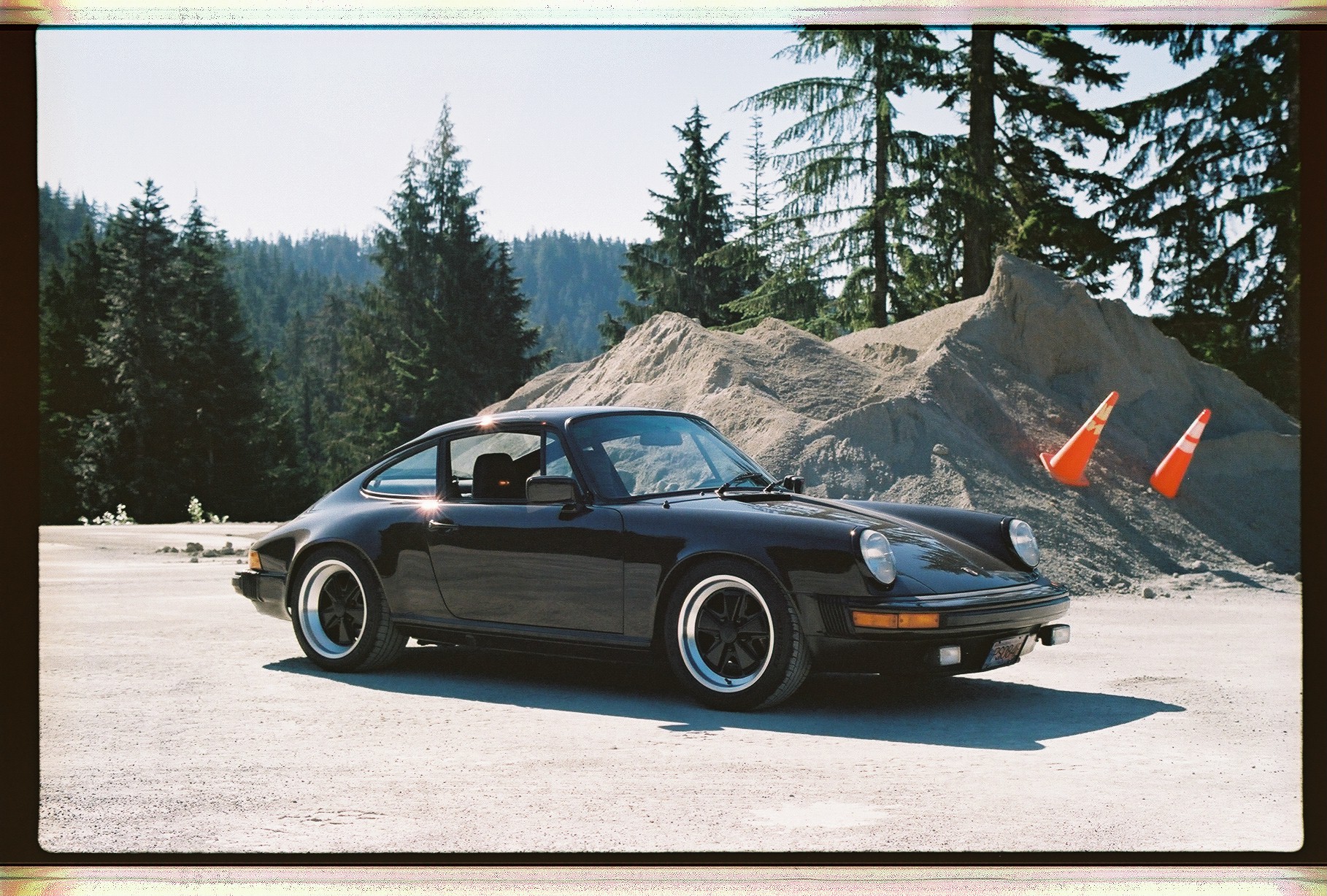
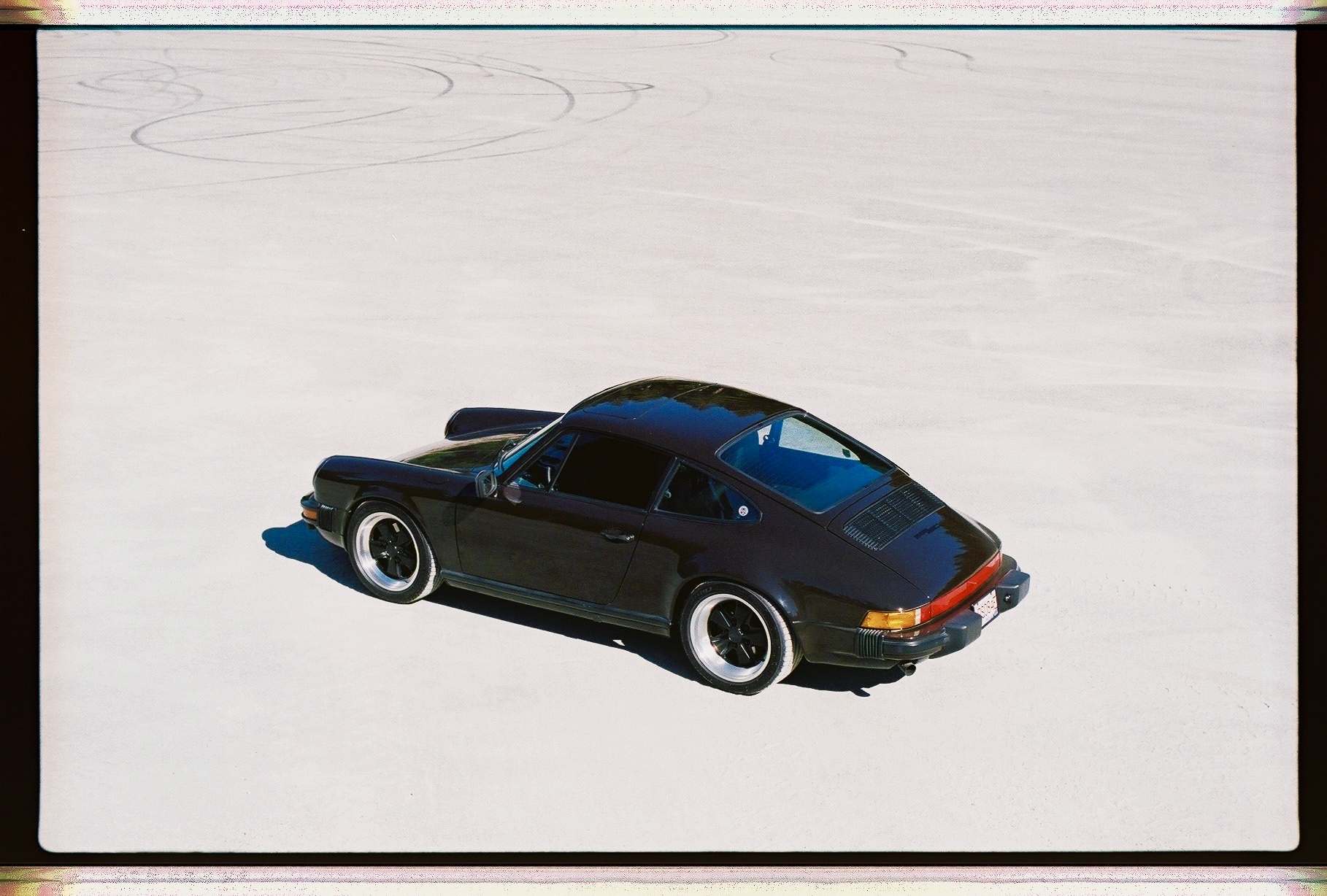
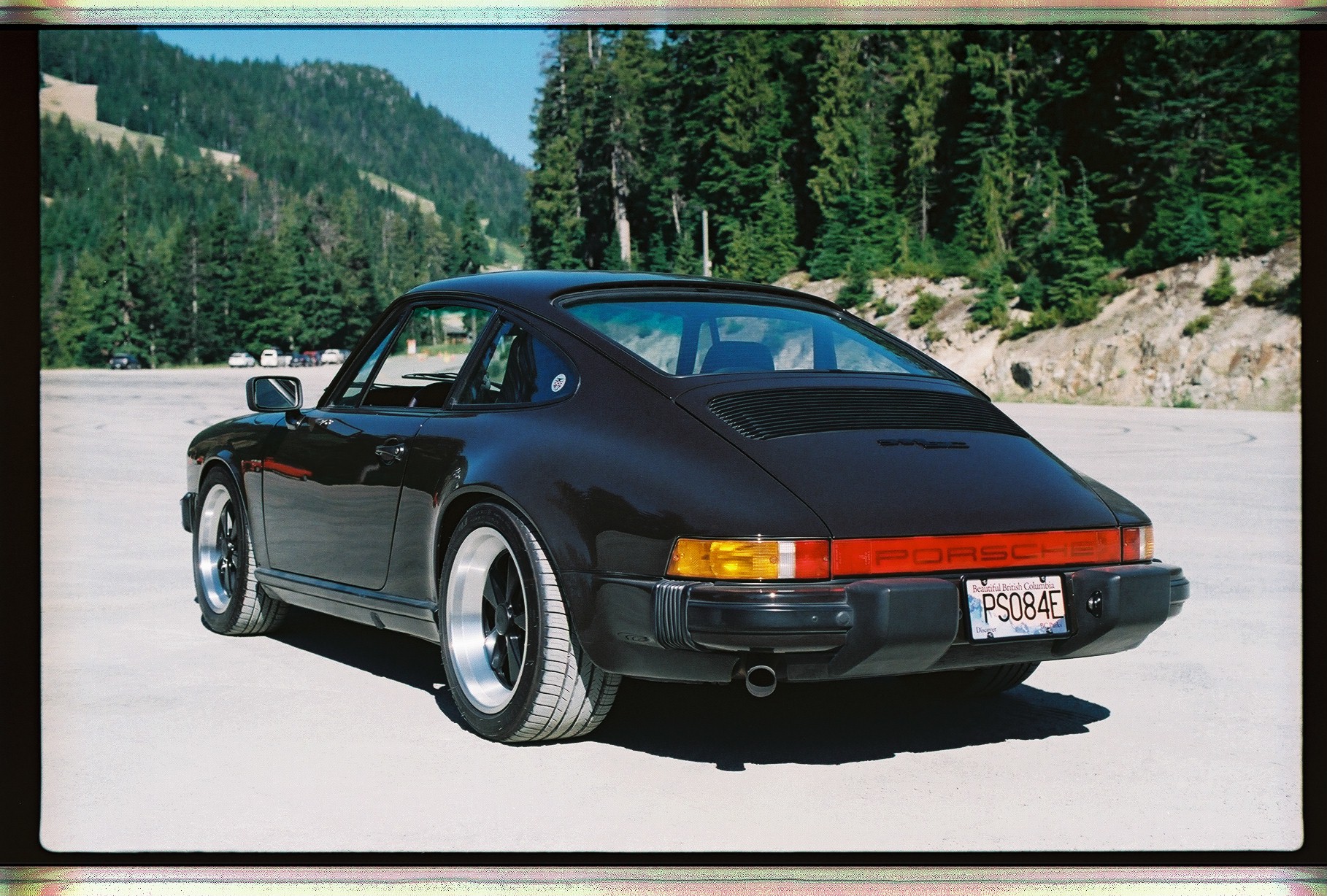
Make: Porsche
Model: 911SC
Year: 1982
If my car were an animal, it’d probably be a dog—lovable, reliable, and you can’t imagine life without it.”
Sometimes the best way to find a car is to let it sneak up on you rather than a rigorous search; this is exactly how Rob came across his mocha brown ‘82 SC. While spectating at his daughter’s beach volleyball tournament at Kits Beach, he received an alert that a car was just listed on Autotrader. Even though it was a cab, it was still an adequate way to excuse himself from the game, so he and his daughter drove out to Cor Motorcars in Burnaby. Upon arrival, there was a dark brown 911 idling in front, and his daughter said ‘That's the one you should buy.’ In a matter of minutes, without a test drive, PPI, or any other formalities, Rob purchased his first 911. The poor silver cabriolet didn't even receive a glance. Back to Kits they went, and his wife asked where they had been. Rob simply replied, 'We bought an old brown car.' Since the summer of ‘21, he has put on 48,000 km and is just getting started. With one of the more memorable journeys being a 6,000 km trip to the inaugural Air | Water show in Costa Mesa, he is eager to get back on the road for Luftgekuhlt 11, Targa California, The Spring Thaw, and the Overcrest Rally. Going back to Rob's upbringing in Germany, his first car was a 1974 VW Bug. That little 1600cc never could catch a break, being run up and down the autobahn, and his 911 provides a reminder. The journey with his car began with the small stuff: a cracked bumperette, hood struts, some seals, and touch-ups of paint. Ergonomics were changed with a fresh steering wheel, shift knob, and the transmission received attention. Now onto the big stuff: an Elephant Racing suspension system firms things up without handicapping the car, and the next item will be comfort-related: a new electric AC/heater unit from Classic Retrofit. Lighter and faster is Rob's pursuit.His daughter will be the next to take charge of driving this classic mocha brown 911.
